Suggested Citation: Jung, B.C. (2010 - 2026). Betty C. Jung's 2010 Public Health Blog.
Web document: https://www.bettycjung.net/Blog2010.htm
December 30, 2010 - How the Public Health Jobs E-list is Doing
Graphic source: Created by Betty from administrative statistics
The Public Health Jobs E-list was created November 26, 2001 to fill a need - an accessible and timely listing of available jobs and internships. To date, over 2,700 of such listings have gone out, almost on a daily basis for an estimated total (this keeps changing daily) of 368,000 jobs and 73,500 internships for over 9 years!
Here is the latest trend analysis of total subscribers, jobs and internships over time. Note the dip in 2009 for available jobs, which reflects the reality of today's economy, and the rise of internships (cheap, but career-enhancing opportunities) over time.
December 29, 2010 -
TOPIC
TOPIC
English
Spanish
Chinese
Role of Epidemiology in PH; Disease Models
2200
37
History of Infectious Disease Epidemics & Epi
2031
40
Basic Stats & Common Epi Measures
1106
40
Vital Stats & Demographic Methods
272
15
Principles of Organizing & Presenting Epi
Data
281
3
7
Basics of Research & Epi Research
Methods
1084
9
8
Epi Research Designs:
Demographic, M&M Studies
180
62
6
Epi Research Designs:
Cross-sectional/Prevalence Studies (4/24/03)
221
6
Epi Research Designs:
Case-control Studies (4/26/03)
166
4
Epi Research Designs:
Cohort Studies (4/27/03)
140
5
Epi Research Designs:
Experimental Studies (5/12/03)
93
4
Critiquing the Research: Methodological Issues (5/13/03)
70
9
Critiquing the Research: Statistical Issues (5/13/03)
100
2
Critiquing Internet Information (1/19/06)
112
5
Total Visits
8056
241
21
The University of Pittsburgh's Supercourse is an online repository of over 4700 lectures from all over world. The lectures are written by thousands of professors, scientists and public health professionals from around the world, covering anything you can think of pertaining to epidemiology and public health issues. Ronald LaPorte, Ph.D. currently oversees this massive program.
Just the other day, I received an E-mail from Supercourse's Eugene Shubnikov M.D., who tracks the utilization of the lectures who informed me that my "Brief Introduction to Epidemiology" (I call it BITE) lecture series is one of the top 3 Supercourse lectures for 2010!!
Dr. Shubnikov was kind enough to compile for me the total visits for each lecture since they have been available online. Several of the lectures have been translated into Spanish and Chinese.
Here are some recent statistics about social networking. According to Pew Global Attitudes Project:
"Americans are most likely to use online social networks. Americans most often say they use websites like Facebook and MySpace: 46% use such sites, 36% use the internet, but do not access these sites, and 18% say they never go online.
Social networking is especially popular among people younger than age 30;
While it is true that the young are more likely to go online, these age gaps are not driven solely by internet usage. Even among internet users, young people are more likely to participate in social networking.
"...men and women tend to engage in social networking at roughly the same rates...52% of American women engage in social networking, just 41% of men do so."
According to Harris Interactive YouthPulse 2010″:"....three-quarters of 8-to-24-year-olds use a social networking site and about two-thirds (68%) spend time on a social networking site daily. Facebook is the most popular social networking site in this demographic, with 86% of 18-to-24-year-olds using Facebook and 71% of 13-to-17-year-olds doing so. More than one-quarter of 8-to-12-year-olds (28%) use Facebook, as well."
According to WebMD's "Why Social Media Might Be Making You Lonelier" (Posted 12/8/2010) "...insecure people tend to prefer social media to richer forms of communication. For them, email provides a sense of safety from the anxiety they feel in face-to-face interactions. Whether their difficulty is based in poor social skills or social anxiety (despite having good social skills), they avoid discomfort by using less direct forms of communication. And, the more they avoid social situations, the more likely they will be to continue to avoid them. Thus, they have fewer complex and deeply connected social interactions experiences that cannot occur solely through social media. As a result, they tend to feel lonely....Like so many other things, social media is not a problem by itself. It's just a tool. By using social media as an adjunct to relationships developed through direct, personal interactions, it can be wonderfully helpful and engaging."
Citation source: http://blogs.webmd.com/art-of-relationships/2010/12/why-social-media-might-be-making-you-lonelier.html?ecd=wnl_emw_122210
Earlier this month the American Heart/Stroke Associations released primary prevention of stroke guidelines. According the Medscape report, "Of more than 790,000 strokes that occur each year, 75% of those are first events, "so prevention is particularly important.""
The new guidelines emphasize the importance of lifestyle as a risk factor for stroke. Such behaviors as "physical activity, not smoking, moderate alcohol consumption, maintaining a normal body weight, and eating a low-fat diet high in fruits and vegetables" are associated with an 80% lower risk of a first stroke, and that holds true for both men and women. So, here's a blueprint for starting off the new year with lifestyle changes for the better!
Here's a checklist of the signs to watch for in a person who may be having a stroke. The faster you can get help, the lesser the disability that can result with late or no treatment, should the person survive.
December 26, 2010 - Post-Christmas Northeast U.S. snowstorm
How it looks on a weather map
Graphic source: http://www.weather.com/
outlook/weather-news/news/
articles/northeast-snow
-radar-updates_2010-12-17?page=3
How it looked from space
Graphic source: http://www.livescience.com/
environment/
snowstorm-satellite-image-101227.html
December 26, 2010 - Google Custom Search
I have just updated the entire Web site with the new customized Google search engine
Site Search Engine
Custom Search
December 25, 2010 - Christmas 2010
December 24, 2010 - Social Networks, Loneliness and Relationships
More noteworthy findings from PEW's Internet & American Life Project include:
"Overall, 79% of US adults 18 and older can be classified as online.
While overall social networking use by online American adults has grown from 35% in 2008 to 61% in 2010, ... the rate of online social networking approximately quadrupled among Older Boomers (9% to 43%) and the GI Generation (4% to 16%).
Searching for health information, an activity that was once the primary domain of older adults, is now the third-most-popular online activity for all internet users ages 18 and older.
Only half as many online teens work on their own blog as did in 2006, and Millennial generation adults ages 18 to 33 have also seen a modest decline in blogging. However, an increase in blogging among older adults has resulted in a small overall blogging increase from 11% of online adults in 2008 to 14% in 2010.
I am not sure if connections developed through social networks actually feed the soul that deep relationships were meant to do. In the 7/2009 online article,"I Have 300 Friends At Facebook, But Why Am I Lonely?" the author breaks down the friendship quality of 1,000 friends on Friendster as: "71% of which you have never personally met, 11%: you've met only once but never again, 8%: you meet now and then, but are not really in speaking terms with, 7%: you just added as friends out of politeness, and the remaining 3%: people you actually, amazingly enough, have a deep, meaningful relationship with. At your most distressful moments, you can/t help but wonder where those 1,000 friends are." (Source: http://www.bukisa.com/articles/118883_i-have-300-friends-at-facebook-but-why-am-i-lonely#ixzz18h3wmVtA)
In the 12/2009 online article, "Loneliness can be contagious, new study finds" a Journal of Personality and Social Psychology study contends that social networks attract those who are lonely and exacerbates the isolation even more. Researchers note that loneliness should be view as "a biological signal motivating us to correct something that we need for genetic survival. We need quality relationships. We don.t survive well on our own.
They also found that "...loneliness can actually be harmful to both mental and physical health, leading to depression, high blood pressure, increases in the stress hormone cortisol, and compromised immunity." Citation source:
http://www.msnbc.msn.com/id/34209727/ns/health-behavior/
So, for this holiday season, try and spend some face time with people you care about and rediscover the joy of human relationships as they were meant to be! Happy Holidays!
The NASA Earth Observatory recently provided some trend analyses regarding global warming:
"The world is getting warmer. Whether the cause is human activity or natural variability, thermometer readings all around the world have risen steadily since the beginning of the Industrial Revolution.
...the average global temperature on Earth has increased by about 0.8 Celsius (1.4 Fahrenheit) since 1880. Two-thirds of the warming has occurred since 1975, at a rate of roughly 0.15-0.20C per decade.
The maps show temperature anomalies, or changes, for 1970-1979 and 2000-2009. The maps do not depict absolute temperature, but how much warmer or colder a region is compared to the norm for that same region from 1951-1980.
U.S. National Weather Service uses a three-decade period to define normal or average temperature.
The temperatures we experience locally and in short periods can fluctuate significantly due to predictable cyclical events (night and day, summer and winter) and hard-to-predict wind and precipitation patterns.
But the global temperature mainly depends on how much energy the planet receives from the Sun and how much it radiates back into space quantities that change very little. The amount of energy emitted by the Earth depends significantly on the chemical composition of the atmosphere, particularly the amount of heat-trapping greenhouse gases."
December 22, 2010 - Measuring the Health of the Public
The Institute of Medicine released,"For the Public's Health: The Role of Measurement in Action and Accountability" on December 8th. Here is a brief synopis:
"Despite having the costliest medical care delivery system in the world, Americans are not particularly healthy. Recent international comparisons show that life expectancy in the U.S. ranks 49th among all nations, and infant mortality rates are higher in the U.S. than in many far less affluent nations. While these statistics are alarming, the bigger problem is that we do not know how to reverse this trend. Our lack of knowledge is due in large part to significant inadequacies in the system for gathering, analyzing, and communicating health information about the population." Source: http://www.iom.edu/Reports/2010/For-the-Publics-Health-The-Role-of-Measurement-in-Action-and-Accountability.aspx
The CDC has recently posted a new training site for learning about violence prevention called "VetoViolence". What is so cool about this site is that it actually provides a great overview of how theoretical models and basic practice principles can be applied to address a public health issue.
These two graphics depict what we should keep in mind, regardless of where we work in Public Health.
In order to improve the practice of Public Health, we need to use systematic ways to identify the issues we want to address and then monitor our interventions to make sure they are on track. The most rational way to do this is to use theoretical models that have been developed with serious thought and have been applied and tested in numerous situations. This strengthens the scientific principles that are being used and such principles enable us to build a body of knowledge that continues to inform and enhance how we practice!
So, it's really a delight to see that violence prevention initiatives, just like many other CDC-driven public health programs, are driven by theoretical models and basic scientific principles. When such models are applied across many programs it allows for comparisons that can strengthen what we are doing in a particular area, by broadening the possibilities of how we can apply what works by adapting them to our particular area.
Just returned from enjoying this rock musical with Dee Snider headlining and a great supporting cast. The show is worth watching and they did a fine job telling a story with songs from the biggest acts of the '80s. (Thanks, Ellen!)
December 17, 2010 - Depression Affects 1 in 10 U.S. Adults
MMWR's"Current Depression Among Adults --- United States, 2006 and 2008" reported in October that depression affects 1 in 10 U.S. adults. MMWR reports:
"Current depression was defined as meeting criteria for either major depression or other depression during the 2 weeks preceding the survey. ...among 235,067 adults (in 45 states, the District of Columba [DC], Puerto Rico, and the U.S. Virgin Islands), 9% met the criteria for current depression, including 3.4% who met the criteria for major depression.
... increased prevalence of depression was found in southeastern states, where a greater prevalence of chronic conditions associated with depression has been observed (e.g., obesity and stroke). By state, age-standardized estimates for current depression ranged from 4.8% in North Dakota to 14.8% in Mississippi."
The CDC Depression page summarized which population groups met the criteria for major depression:
"Persons 45-64 years of age
Women
Blacks, Hispanics, non-Hispanic persons of other races or multiple races
What I found most interesting is the inclusion of "Individuals unable to work or unemployed" as a group at risk for major depression.
For a link to the MMWR article, CDC Depression Page and more information about and resources to address depression, see Mental Health - Depression
December 16, 2010 - The U.S. National Center for Complementary and Alternative Medicine and the Office of Dietary Supplements Funds Research to Look Into Dietary Supplements
Today, the Botanical Research Centers Program, U.S. National Institutes of Health released a bulletin about funding research to look into dietary supplements to bolster FDA's 12/15 announcement. It states:
"...the federal government is spending millions of dollars to support research dedicated to separating the wheat from the chaff when it comes to herbal supplements."
"A lot of these products are widely used by the consumer, and we don't have evidence one way or the other whether they are safe and effective,"
In August, the U.S. National Center for Complementary and Alternative Medicine and the Office of Dietary Supplements awarded about $37 million in grants to five interdisciplinary and collaborative dietary supplement centers across the nation. The grants were part of a decade-long initiative that so far has awarded more than $250 million toward research to look into the safety and efficacy of health products made from the stems, seeds, leaves, bark and flowers of plants.
People in the United States spent more than $5 billion on herbal and botanical dietary supplements in 2009, up 22 percent from a decade before,
There are worries regarding the purity and consistency of supplements, which are not regulated as strictly as pharmaceutical drugs.
"One out of four of the dietary supplements we've quality-tested over the last 11 years failed,"...The failure rate increases to 55 percent,... when considering botanical products alone.
Some products contain less than the promoted amount of the supplement in question -- such as a 400-milligram capsule of echinacea containing just 250 milligrams of the herb. Other products are tainted by pesticides or heavy metals.
The U.S. Food and Drug Administration warned supplement makers on Dec. 15 that any company marketing tainted products could face criminal prosecution. The agency was specifically targeting products to promote weight loss, enhance sexual prowess or aid in body building, which it said were "masquerading as dietary supplements" and in some cases were laced with the same active ingredients as approved drugs or were close copies of those drugs or contained synthetic synthetic steroids that don't qualify as dietary ingredients.
"Consumers often are taking them without telling their doctor, or taking them in lieu of going to the doctor,"..."
December 16, 2010 - FDA Takes on Dietary Supplements
If you have been following my Public Health Blog with any regularity, you will know that I have been pushing for more regulation of dietary supplements for a long time. That is because people, with a mistaken belief, take dietary supplements as a proactive strategy to maintaining their health. People spend hundreds to thousands of dollars buying products that can pretty much anything that anyone can put into a bottle, slap a label on it, call it a dietary supplement and then sell it for obscene amounts of money. In many instances the products are contaminated with harmful chemicals and may interact with legitimate prescribed medications.
Well, FDA released "Tainted Products Marketed as Dietary Supplements" bulletin which states:
On Dec. 15, 2010, the Food and Drug Administration (FDA) took new steps aimed at keeping consumers safe from harmful products that are marketed as dietary supplements and that contain undeclared or deceptively labeled ingredients.
FDA has found that these products are often promoted for weight loss, sexual enhancement, and bodybuilding.
Among the substances found in products that are marketed as dietary supplements and that contain hidden or deceptively labeled ingredients are
the active ingredients in FDA-approved drugs or their analogs (closely-related drugs); other compounds, such as novel synthetic steroids, that do not qualify as dietary ingredients.
Where FDA investigations have discovered tainted products marketed as dietary supplements, the agency has issued warning letters and conducted seizures and criminal prosecutions.
FDA has also alerted consumers to hundreds of products with these often deceptively labeled and harmful ingredients, including more than 80 products marketed for sexual enhancement, more than 70 products marketed for weight loss, and more than 80 products marketed for bodybuilding.
We think we can protect our kids from harm within the walls of our homes. Well, apparently, this does not hold true for children living in apartment buildings. According to a recent Pediatrics study of 5,000 children living in apartments:
"NHANES defines tobacco smoke exposure as a serum cotinine level of at least 0.015 nanograms per milliliter (ng/mL)."
...even those living in apparently smoke-free apartments (81% of children surveyed) -- had a 45% increase in marker for tobacco smoke exposure (serum cotinine) compared with kids who lived in detached houses,"
The discrepancy in serum cotinine levels may be a result of seepage through walls or shared ventilation systems,"
Parental smoking in the home is the most common source of secondhand smoke exposure -- but even when parents don't smoke, more than half of children have elevated levels of cotinine, which is a metabolite specific to tobacco smoke,"
The difference between apartment-dwellers and those in detached homes was greatest for white children, where average serum cotinine levels were increased by a factor of 2.12 (significant at P<0.01). It was also significant for black children, for whom living in an apartment increased mean levels by 46%, which was significant at P<0.03.
Citation sources:
Wilson KM, et al "Tobacco-smoke exposure in children who live in multiunit housing" Pediatrics 2011; 127: 85-92, as reported in http://www.medpagetoday.com/tbindex.cfm?tbid=23879
This is all the more reason why we should strive for a smoke-free world! See Tobacco Information
December 14, 2010 - Surgeon General's Report on Tobacco
On December 9th, Medpage Today reported that the Surgeon General just released a 700-page report about the physiologically damaging effects of smoking. Major findings include:
Exposure to cigarette smoke brings about genetic changes that alter critical cellular pathways that foster uncontrolled cell growth and overpower normal mechanisms that prevent their growth and spread. For instance, nicotine, methylnitrosamino, and butanone -- ingredients found in cigarettes -- can activate a signal that allows the survival of damaged epithelial cells that would otherwise die.
Cigarette smoke exposure leads to coronary heart disease, stroke, aortic aneurysm, and peripheral arterial disease. That was already known, but the report found that the risk for those diseases doesn't increase in a linear fashion with exposure. Even just a few cigarettes a day are sufficient to "substantially increase the risk of cardiac events."
Cigarette smoking produces a chronic inflammatory state that contributes to the atherogenic disease process.
Oxidative stress and protease-antiprotease imbalance have a major role in chronic obstructive pulmonary disease (COPD), and smoking cessation remains the only proven way to reverse the pathogenic processes that lead to COPD.
Consistent evidence supports links between smoking and chromosome changes or DNA damage in sperm, affecting male fertility and a woman's ability to get pregnant and increasing the chance of anomalies in offspring. Evidence also shows that smoking during pregnancy is associated with development of a cleft lip in the infant.
Here is a graphic from the New York Times December 11th article,"A Secretive Banking Elite Rules Trading in Derivatives." (So self-explanatory!)
I'm not going to even bother explaining this, because if you can't understand this, it's not you, but the way the banking industry is today.
Basically, because the money transacted is handled by so many middlemen that OUR money disappears along the way.
Reminds me of the "telephone game" kids play. And, if you ever played that game, remember what happened to the message that got passed along? 'Nuff said.
On December 7th, the New York Times reported on the 2009 PISA results. As you can see, this does not look very good for the U.S. educational system.
"PISA, the OECD's Programme for International Student Assessment, evaluates the quality, equity and efficiency of school systems in some 70 countries that, together, make up nine-tenths of the world economy. PISA represents a commitment by governments to regularly monitor the
outcomes of education systems within an internationally agreed framework. It also provides a basis for international collaboration in defining and implementing educational goals in innovative ways that reflect judgements about the skills that are relevant to adult life." Citation source: http://www.oecd.org/dataoecd/31/28/46660259.pdf
Regardless of how you may feel about standardized testing, such testing has a place for improving educational quality. Yardsticks are necessary for setting the bar, and quality improvement initiatives, regardless of what area we are looking for Quality, are dependent on the ability to measure what is most important and whether or not any progress has been made.
And, regardless of how you may feel about whether such comparisons are appropriate, well, I think they are. After all, we live in a global economy, so we have to think globally, but educate locally. We should try and learn from how other countries are educating their children because if our children must compete in a global economy, then our kids need to have the knowledge and skills to adapt in any environment. Perhaps, a bit darwinian, but that's life today.
Here is a video about the PISA testing, and related YouTube videos about education issues. We really need to dialogue about Education because it is the most important resource our children needs (in addition to a healthy body) to compete in the global economy....
According to the Gallup's annual Health and Healthcare survey:
"More than six in 10 American adults weigh more than they would ideally like to, while fewer than two in 10 are at their ideal weight.
...an average of 26.7% of adult Americans are obese,...
Roughly 3 in 10 Americans aged 45 to 64 are obese, more than in any other age group.
Middle-aged and African-American adults are more likely to be obese than Americans of other ages or ethnic groups. More broadly, black Americans aged 45 to 64 are the most likely of any of the racial and ethnic groups used in this analysis, at any age, to be obese, at 41%.
...the large majority of Americans (57%) describe their weight as about right. Another 38% admit to being very or somewhat overweight,...
More than half of Americans (54%) say they want to lose weight, and 27% say they are seriously trying to do so.
Historically, far more Americans have reported being over their ideal weight than have said they are making a serious attempt to lose weight. This perpetual disconnect underscores the difficulties many Americans face in trying to slim down. It also highlights one of the key problems in reducing obesity nationwide: Although many Americans are aware that they weigh more than they should, most are not taking action to make a change.
December 8, 2010 - Killer at Large: Why Obesity Is America's Greatest Threat
I just finished watching the full-length version of this film. This is the 20-minute educational version available on YouTube.com, which covers all the main points.
I am making it available here because it is worth watching. Obesity is a major public health problem, not so much just in the U.S., but all over the world.
The consequences of uncontrolled weight are seen in the growing numbers of children and adults developing type 2 diabetes. If you can avoid type 2 diabetes, do so: Strive to maintain a normal weight.
One of the negative health outcomes of obesity is the development of type 2 Diabetes. Diabetes is a major contributor to the development of heart disease, and this is what people with diabetes die from.
Consider that in 2007, the death rate per 100,000 Population was 760.2 (Source: http://www.statehealthfacts.org/comparemaptable.jsp?ind=58&cat=2) , the most recent statistics from CDC's National Vital Statistics System for "Diabetes as the Underlying or a Contributing cause, by race and sex" should be a cause for concern.
Note the racial disparities, Black men and women with diabetes have higher deaths rates than their White counterparts. All the more reason that the primary focus of African-American communities should be on managing diabetes to reduce the death rate.
A recent PEW study shows higher income individuals are more likely to research medical-related information than those in lower income brackets.
However, the more interesting finding, I think, is that the Internet has become a major source of medical information for everyone, regardless of what income bracket they are part of.
This means that the quality of health information should be the top priority for those who use this venue to disseminate health information. Ethically, accuracy should be the primary consideration. It also means that as health information consumers we need to be more discriminating of what is considered health information online.
For more information about how to evaluate online health information, see Information Quality
The December 2nd New York Times article, "Unemployed, and Likely to Stay That Way" focuses on the real problem of the growing trend in joblessness as an unwanted lifestyle that is totally driven by economics. Add to this that unemployment benefits will no longer be extended, and you have the dramatic possibility of cultural change that will last for years to come.
Unfortunately, these statements are not hyperboles, but just stating the facts. Perhaps, the greatest concern to me is how the jobless are managing the stress associated with all the negative vibes that comes with not being gainfully employed. While it is a small comfort that being unemployed occurs through no fault of our own, we still must grapple with the thought that what we have to offer may not be enough to entice an employer to give us a chance to prove ourselves. The unfortunate outcome is: "long-term unemployed were significantly more likely to say they had lost some of their self-respect than their counterparts with shorter spells of joblessness.
They gain weight and look out of shape, since unemployment is such a stressful experience. All that is held against them when there is such an enormous range of workers to choose from. (Source: http://www.nytimes.com/2010/12/03/business/economy/03unemployed.html?pagewanted=2&tntemail1=y&emc=tnt)
In June 2010, the Gallup-Healthways Well-being Index reported the well-being of the unemployed is tenuous, at best, and the longer one has been unemployed, the greater the percentage are saying they are "struggling."
The key to survive is to manage the stress and to learn all the skills necessary to make one marketable in the ever-changing, shrinking job market. As I tell my students, "We will get through this."
December 2, 2010 - CMS Toolkit for Making Written Material Clear and Effective
Here is a gem of a writing guide from the most unlikely of writing sources - Centers for Medicare & Medicaid Services! It is available in topical segments that you can print in PDF. The table of contents include:
Toolkit Part 1: About this Toolkit and how it can help you
Toolkit Part 2: Using a reader-centered approach to develop and test written material
Toolkit Part 3: Summary List of the "Toolkit Guidelines for Writing and Design"
Toolkit Part 4: Understanding and using the "Toolkit Guidelines for Writing"
Toolkit
Part 5: Understanding and using the "Toolkit Guidelines for Graphic Design"
Toolkit Part 6: How to collect and use feedback from readers
Toolkit Part 7: Using readability formulas: A cautionary note
Toolkit Part 8: Will your written material be on a website?
Toolkit Part 9: Things to know if your written material is for older adults
Toolkit Part 10: "Before and after" example: Using this Toolkit's guidelines to revise a brochure
Toolkit Part 11: Understanding and using the "Toolkit Guidelines for Culturally Appropriate Translation"
A recent British Medical Journal article reported on the results of a prospective cohort study that looked at general and central adiposity in children and their impact on adolescent cardiovascular risk factors (first study to investigate the link between BMI, waist circumference, and fat mass at age 9-12 and heart disease risk factors at age 15-16):
"Children who have a high body mass index (BMI) between 9 and 12 years of age are more likely to have high blood pressure, cholesterol and blood insulin levels (all risk factors for developing heart disease) by the time they reach adolescence,
...children with a high BMI who shed the weight by the time they reach adolescence have better heart disease risk profiles than those who remain overweight.
...a high BMI at age 9-12 was associated with adverse heart disease risk factors at age 15-16..."
Citation source: http://www.eurekalert.org/pub_releases/2010-11/bmj-ahb112410.php, as reported in http://www.eurekalert.org/pub_releases/2010-11/bmj-ahb112410.php
A very useful measure to determine what kinds of carbs to eat is the glycemic index. "The glycemic index reflects the effects of foods on postprandial blood glucose levels. In general, processed grain foods have a high glycemic index, while grains that have been minimally processed, fruits, nonstarchy vegetables, and legumes have a lower glycemic index." Thus, high glycemic index foods (High GI on the graph) rapidly dump a lot of glucose into your system after ingesting, forcing the pancreas to work extra hard to release enough insulin to manage the glucose. Low glycemic index (Low GI on the graph) foods convert to glucose at a slower rate, thus, providing your body with a steady source of glucose without wearing out the pancreas. When the pancreas can no longer meet the needs of the body, type 2 diabetes results.
Carbohydrates are essential nutrients for our body. In fact, carbohydrates is the only nutrient our brains can use for energy. We simply cannot just eliminate carbs from our diet, but what we can do is to wisely eat those carbs that would be the most beneficial for us.
Unfortunately, we eat way too many carbohydrates, and mainly the wrong kinds, which is the reason why people put on weight. While carbs provide an instant source of energy, excess carbs end up being stored as fat (glycogen) in our bodies. This is why marathoners do "carbo loading" before the long run. So, if you are not running marathons, you shouldn't be carbo loading.
Two recent New England Journal of Medicine articles report the value of eating low glycemic index carbs to help manage weight:
"Following a diet that combines a relatively high protein content with a slightly lowered glycemic index helped obese individuals maintain weight loss,
Weight regain also was higher by 0.95 kg (95% CI 0.33 to 1.57, P=0.003) in participants who consumed a diet with a high glycemic index."
Citation source: Larsen T, et al "Diets with high or low protein content and glycemic index for weight-loss maintenance" N Engl J Med 2010; 363: 2102-2113;
Ludwig D, Ebbeling C "Weight-loss maintenance -- mind over matter?" N Engl J Med 2010; 363: 2159-2161; as reported in http://www.medpagetoday.com/PrimaryCare/Obesity/23606
Here's a little ditty I came up with: "White carbs are not all right; Color carbs are out of sight!"
November 28, 2010 - No Such Thing as a Safe Cigarette
I am so glad that the FDA has taken on Tobacco. The tobacco industry spends millions advertising tobacco to the young and vulnerable, luring young kids into thinking that it's cool to smoke when it really isn't. Smoking brings nothing but heartache and disease. Not only does it destroy the bodies of those who smoke, but it deprives their loved ones with the premature deaths of smokers and compromises the smoker's well-being through a number of chronic and debilitating diseases, while driving up health care costs for everyone. In addition, chemicals emitted from burning cigarettes pollute the air and destroy the environment. It's best not the start, but if you smoke, it's best to stop, and the sooner the better.
Heart disease is the leading cause of death and is reflective of our lifestyle today. WebMD has a super slideshow that covers all the basics about heart disease and what you can do about it. Check it out! You can click on the graphic to get to the slideshow. For more information, see the Cardiovascular Disease Page
November 24, 2010 - Nicotine Exposure and Hearing Loss
Here are some of the most commonly known reasons for hearing loss.
Most of us take our hearing for granted, until we start to lose it. In addition to the causes noted on the graph, add exposure to second-hand smoke as a cause of hearing loss. This is the first time I have heard (no pun intended) about this but it should be another reason to give up smoking.
A population-based study using 1999-2004 NHANES data reported:
Passive exposure was linked to significantly elevated risk of hearing loss in the low-to-mid frequencies for never smokers and former smokers;
Former smokers exposed to second-hand smoke were also at elevated risk of losing ability to hear high frequencies;
Previous studies have correlated active smoking to hearing loss;
Prevalence of hearing loss among the former smokers was 14.0% for low-to-mid frequencies hearing loss and 46.6% for high frequencies. Among never smokers, the rates were 8.6% and 26.6%, respectively.
...second-hand smoke exposure was significantly linked to low-to-mid frequency hearing loss for both former and never smokers and to high-frequency hearing loss in former smokers;
The stronger findings among former smokers suggest that continued second-hand smoke exposure, even at low levels, may continue the progression of high-frequency hearing loss that began when they were active smokers,
Possible mechanisms for the effect of tobacco smoke exposure may be direct toxicity to the ear from nicotine and by inducing ischemia in the cochlea through production of carboxyhemoglobin, vasospasm, increased blood viscosity, and blood vessel arteriosclerosis."
Citation source:
Fabry DA, et al "Secondhand smoke exposure and the risk of hearing loss" Tob Control 2010; as reported in http://www.medpagetoday.com/PrimaryCare/Smoking/23548
Americans spend millions of dollars on herbal and dietary supplements thinking that these substances are helpful because they are natural. Unfortunately, supplements are not regulated by the FDA and can be harmful because they can be contaminated and can interact with prescription medications. In many cases people do not tell their physicians they are taking supplements and can actually compromise their medical management. If you are under a doctor's care for anything, inform your doctor of EVERYTHING you are taking, from over-the-counter drugs to herbal and dietary supplements.
Based on a survey of 100 patients taking warfarin (a medication to prevent blood clots), a recent American Heart Association conference abstract reported:
"... 69% took some kind of herbal or dietary supplement, but only 35% reported that their healthcare provider asked them about supplement use,
63% used a supplement without first consulting their provider, despite the fact that 54% recognized herbal and dietary supplements can act as drugs.
Only 33% learned about herbal or dietary supplements from a healthcare professional.
...nine of the 10 best-selling herbal or dietary supplements can potentially interact with warfarin. Although herb/supplement medication interactions are common, they are underrecognized and underreported."
...increased stroke risk from reduced INR in patients taking warfarin with supplements including:
Coenzyme Q10
Multi-herbs
Soy
...increased bleeding risk (due to antiplatelet effects or higher INR) in patients taking warfarin with supplements including:
Glucosamine
Chondroitin
Essential fatty acids
Melatonin
Cranberry
Antioxidants
Citation source: Strohecker J et al "People taking anti-clotting medication often unaware of dangers of taking herbal supplements" AHA 2010; Abstract 17248; as reported in http://www.medpagetoday.com/MeetingCoverage/AHA/23435
November 22, 2010 - 2010 Public Health Thank You Day
Gratitude is always a good thing because it helps us to keep Life in perspective. We take so many things for granted that we don't appreciate what we have until we don't have it anymore.
I like Research!America's annual "Public Health Thank You Day" because it puts what is my greatest love, Public Health, on the forefront, even if it's just for one day a year.
A re-posting of my 2009 blog entry: Here are some of things we can be thankful for, with many thanks to all the Public Health Professionals, at all levels of practice, who have dedicated their careers to protecting the Public's Health in a variety of ways...
Waking up this morning from clean bedding that is not contaminated by pathogens;
Using a bathroom so human waste is disposed of properly;
Being able to drink water from the faucet without getting some disease;
Being able to eat breakfast without getting some disease;
Dropping off your kids in schools knowing they won't get sick because everyone got their immunizations;
Driving to work and not being exposed to harmful emissions from motor vehicles;
Going to work and spending the day in an environment that won't make you sick;
Going to lunch and eating in a restaurant that's been inspected;
Going for a walk and not being exposed to second-hand smoke or rotting garbage;
Getting a haircut and knowing those cutting your hair have been licensed;
Going to see health care professionals and knowing they are competent because they are licensed to practice;
Going to any health care facility and knowing they are licensed;
Going to bed and feeling safe because disaster preparedness exists at every level of government.
>LI> November 18, 2010 - Kick the Habit - Start Today!
Once a year we are reminded of how important it is to rid yourself of an extremely nasty habit. Tobacco is the #1 preventable cause of death. Tobacco virtually destroys every organ in the body and pollutes the environment everyone must live in and the air everyone needs to breathe.
While one day is not quite enough, the important thing is - it's a start. Every day you don't smoke is another day you spare your body of the toxic chemicals you inhale and an additional day of rest and recovery for your whole body. Not only will your body thank you but everyone around you will, too!
Are people realistic about their weight? Not really. Recent Harris Poll findings include:
"When asked to describe their current weight, morbidly obese respondents displayed the most realistic view of their body. Sixty-one percent of morbidly obese respondents said they are much heavier than they should be, or obese, compared to only 26% of obese respondents. Another 30% of morbidly obese respondents said they are heavier than they should be but generally healthy and content, compared to 55% of obese respondents.
While 52% of normal weight respondents said they are about right, a surprisingly high 31% rated themselves as having a few extra pounds (as did 13% of obese respondents but only 6% of morbidly obese respondents).
The unrealistic assessment of weight by many obese respondents supports Harris analysis which indicates that despite Americans assertions they are eating healthier, a continuing rise in US obesity rates suggests in many cases this is untrue."
Men usually do not go and see the doctor unless they are literally dying. By then it is really too late.
AHRQ has a Web site just for men, "Healthy Men." It is a great site that provides basic information for how men can take care better care of themselves so they can continue to share their lives with loved ones.
For other resources about men's health, see Men's Health
November 15, 2010 - FDA's Proposed Cigarette Product Warning Labels
The FDA is proposing to take a more graphic stance in warning people about the health hazards of cigarette smoking. People should be reminded that smoking is the #1 most preventable cause of death, and if they choose to smoke, then they must face the health consequences. Here are 4 examples of what the FDA wants to appear on cigarette packs. This is great!
Do you have achy and inflammed joints? Well, maybe it's because of all that soda you're drinking. Recent findings from the Nurses' Health Study reported in JAMA include:
"After adjusting for other dietary factors believed to contribute to gout as well as for age, menopause status, body mass index, history of hypertension, diuretic use, and hormone therapy, the researchers found significant correlations between fructose-sweetened soda consumption and incident gout.
...drinking one sugary soda a day were 74% more likely to develop incident gout than those who said they drink fewer than one a month (adjusted relative risk 1.74, 95% CI 1.19 to 2.55)
...in women with BMI of 30 or more and those who drank alcohol (compared with abstainers), the effects of fructose on gout risk appeared strengthened.
it would be wise for women with diagnosed gout or hyperuricemia to stay away from fructose-sweetened drinks."
Citation source: Choi H, et al "Fructose-rich beverages and risk of gout in women" JAMA 2010; DOI: 10.1001/jama.2010.1638; as reported in http://www.medpagetoday.com/MeetingCoverage/ACR/23263
It is unfortunate that kids today will bear the brunt of poor eating and inactivity in the years to come. Yet, this has not stop fast food companies from enticing kids and teens to indulge in what will destroy their health and well-being.
The Robert Wood Johnson Foundation just released an investigative report into the marketing of fast food. "A new report from Yale/s Rudd Center for Food Policy & Obesity finds that children as young as 2 are seeing more fast-food ads than ever before, and that fast-food restaurants rarely offer parents the healthy kids meal choices. Report findings show that fast-food marketers target children across a variety of media and in restaurants, and that restaurants provide largely unhealthy side dishes and drinks as the default options that come with kids meals. The new report is the most comprehensive study of fast-food nutrition and marketing ever undertaken."
All of us know a lot of about performance measures, whether or not we view it that way or not. Any child who has gotten a report card knows everything necessary about what they are supposed to be learning. Well, at least according to the standards set by the teacher. Measurement is the basic tool to help us determine if what we are doing is on track. If we don't measure what we are doing we really don't know if we are doing it right, or well, for that matter.
Manufacturing companies adopt quality improvement methods to ensure that what they are producing are of the highest quality and meet the standards set for a particular product. It helps companies to standardize what they are doing so any product that comes off the assembly is of the same highest quality.
The health care delivery system has adopted some of the basic principles of quality improvement from the manufacturing sector to the delivery of health care services. But what those in quality improvement will tell you is that it isn't exactly as cut and dry as coming up with the perfect product.
While the concept is theoretically appealing, implementing quality improvement strategies has really added to the cost of health care without necessarily improving the quality of health care that much. Think about the current controversial issue surrounding electronic health records. The holdup has been blamed on incompatible electronic systems, and who is responsible for that???
Sure, we are getting to know better what's wrong with the system through many innovative quality improvement initiatives. We can try and fix those broken parts that may be responsible for deaths, but basically the health care delivery system is way too complex for these stopgap measures. The entire system really has to be overhauled to make the kind of difference we want to see that would really improve the quality of care at the patient level.
So, until we can all come together and agree on how to do it we will have hone the strategies we have now so that some day all of them can mesh together to revamp the whole system. The Robert Wood Johnson Foundation recently released what I think is a useful primer,"The ABCs of Measurement" that covers the basics of what to measure, and how to think about measuring.
A recent UK study reported in Lancet has concluded that alcohol is the most harmful of the abused substances studied. Using the multicriteria decision analysis (MCDA) to define harm (the higher the score, the greater the harm; 100 being the most damaging and zero no damage; taking into account harm-to-self and harm-to-others factors), the top 10 most harmful substances are:
Alcohol, overall harm score 72
Heroin, overall harm score 55
Crack, overall harm score 54
Crystal meth, overall harm score 33
Cocaine, overall harm score 27
Tobacco, overall harm score 26
Speed/amphetamines, overall harm score 23
Cannabis, overall harm score 20
BHB, overall harm score 18
Valium (benzodiazepines), overall harm score 15
Citation source:The Lancet, Early Online Publication, 1 November 2010 doi:10.1016/S0140-6736(10)61462-6; http://www.medicalnewstoday.com/articles/206300.php;
In the latest findings from the Gallup-Healthways Wellbeing Index, researchers reported that "Americans who are the most religious also have the highest levels of wellbeing." Other findings included:
"...statistically significant relationship between religiousness and well-being holds up after controlling for numerous demographic variables. Higher levels of healthy behaviors, life evaluation, work environment perceptions, and emotional health affect religious Americans high well-being.
Gallup defines very religious Americans as having religion as an important part of daily life and attending church/synagogue/mosque at least every week or almost every week (44% of US adult population). Religion is not an important part of daily life for non-religious Americans and church/synagogue/mosque attendance occurs seldom or never (30% of US adult population).
...the larger gap exists between the very religious and moderately religious groups, rather than between the very religious and nonreligious groups.
...the large distinction between those who are religious and non-religious on the Healthy Behaviors Index is largely because of differences in smoking habits, and to a lesser degree, healthy eating differences. {My emphasis}
In addition, Gallup cites the benefits of religious social interaction, meditative and faithful states associated with religion, and encouragement most religions give to positive relationships with neighbors and charity as all contributing to the emotional and mental well-being of very religious Americans.
"People who drank one or two sugar-sweetened beverages a day, like soda or vitamin water, had a 26% increased risk of developing type 2 diabetes, compared with those who barely drank any,..."
Part of sugar-sweetened beverages' contribution to diabetes is via obesity,
...sugary drinks are a risk factor for diabetes and metabolic syndrome independent of weight gain,
...sweetened beverages have been linked to increases in serum glucose as well as rapid and dramatic fluctuations in insulin, a cascade linked to glucose intolerance, insulin resistance, beta-cell dysfunction, and inflammation.
...fructose, the main sweetener in these drinks, may be linked to high blood pressure as well as increases in LDL and triglycerides.
...higher levels of sugar-sweetened beverage intake could be a marker of an overall unhealthy diet. Those who drink too many sodas may also eat too much saturated or trans fats and not enough fiber,
data "provide empirical evidence that intake of sugar-sweetened beverages should be limited to reduce obesity-related risk of chronic metabolic diseases."
Citation source: Malik VS, et al "Sugar-sweetened beverages and risk of metabolic syndrome and type 2 diabetes" Diabetes Care 2010; 33(11): 2477-2483, reported in http://www.medpagetoday.com/PrimaryCare/DietNutrition/23021
So, basically what researchers found is that sodas increases the risk for type 2 diabetes and the metabolic syndrome through mechanisms other than just making you fat. Good time to cut sweetened beverages out of your diet!
Want to get rid of that tire (visceral fat) around your waist? Go whole grains - all the way!
Research published online in the September 29th American Journal of Clinical Nutrition concludes, "Eating whole grain foods is associated with a lower level of visceral adipose tissue (VAT), whereas consuming more refined grains is linked to a VAT increase." The catch is, if you eat both refined and whole grains, refined grains will eliminate the benefits of whole grains.
Source: As reported in http://www.medscape.com/viewarticle/730345 (10/12/2010)
So, STOP eating all those refined foods - all that white stuff and put some color in your food and get rid of all that visceral fat that isn't doing your body any good anyway. Excessive visceral fat increases the risk for heart disease and diabetes.
Here is a cool graphic that helps to distinguish between what's whole grain and what's refined. For more info on visceral fat, see the Obesity Page, and for more info on nutrition, see the Nutrition Page
October 25, 2010 -
Calorie Lab's 2010 U.S. Obesity Map
On 10/22, the CDC reported that by 2050, 1 out of 3 U.S. adults could have diabetes. This would be a major travesty considering that 2/3s of people with diabetes die from heart disease. (Original source: Thompson TJ, et al "Projection of the year 2050 burden of diabetes in the U.S. adult population: Dynamic modeling of incidence, mortality, and prediabetes prevalence" Pop Health Metrics 2010; DOI: 10.1186/1478-7954-8-29; as reported in http://www.medpagetoday.com/Cardiology/Diabetes/22922#ayk
The rising prevalence of type 2 diabetes is predominately fueled by the concomitant rising prevalence of obesity that is the result of poor dietary habits and inadequate physical activity.
Here is what I would call a challenging map of what's facing America today, as posted by Calorielab.com on June 28, 2010.
Mississippi leads as the fattest state of the union, and has been that way for the past 5 years, now with a prevalence of 33.8% or 1 out of 3. (Source: http://calorielab.com/news/2010/06/28/fattest-states-2010/)
Obesity has become a worldwide public health epidemic. Regardless of where you go, even in undeveloped countries, obesity is an issue. The most apparent negative health outcome is the growing prevalence of type 2 diabetes.
Aside from changing personal health behaviors as eating healthy and getting enough exercise, community strategies are necessary to support and enhance individual changes.
Last summer (7/2009), the MMWR released "Recommended Community Strategies and Measurements to Prevent Obesity in the United States" and the CDC released a companion "Implementation and Measurement Guide." These are useful tools for any entity trying to address the obesity issue from a community perspective.
The latest findings from the Gallup-Healthways Well-Being Index report
"Low-income Americans are more likely than their high-income counterparts to say they have been diagnosed with each of the chronic conditions Gallup asks about. The differences are largest for depression, high blood pressure, and diabetes, with gaps of 18.7, 12.8, and 9.4 percentage points, respectively.
Gallup analysis indicates the high level of obesity among low-income Americans; 32% are obese compared to about 22% of those with high incomes , is likely a contributing factor in these differences.
In addition, tracking non-chronic health conditions, reports of colds and flu are also more common among low-income Americans, and headaches are more than twice as likely among the low-income group as among high-income Americans."
Here are some interesting graphics published by the National Oceanic and Atmospheric Administration (NOAA) with its 10/15/2010 report:
"The first nine months of 2010 tied with the same period in 1998 for the warmest combined land and ocean surface temperature on record. The global average land surface temperature for January-September was the second warmest on record, behind 2007. The global ocean surface temperature for January-September was also the second warmest on record, behind 1998." (Citation source: http://www.noaanews.noaa.gov/stories2010/20101015_globalstats.html )
The bar graph is quite clear that global warming is occuring, and the map shows just how pervasive warmer temperatures are across the entire planet.
May someday it will be possible to trend the patterns in temperature anomales (difference from average) to enable the possibility of predicting where higher temperatures will occur so that some planning can be done to prevent climate disasters.
October 16, 2010 -
The Long Wait to Find a Job
Graphic Source: http://www.nytimes.com/interactive/2010/10/13/
business/economy/economy_graphic.html?ref=economy M
According to the 10/12/2010 NY Times article, "A Long Road Ahead in Regaining Lost Jobs" the number of jobs available is not meeting the demand of those who want to work. At the current rate, it will take another 9 years to fully recover!!
Prevalence of Overweight* and Obesity Among Youths Aged 6--19 Years, by Race/Ethnicity and Sex --- National Health and Nutrition Examination Survey, United States, 2007--2008
Here are 2 MMWR graphics using NHANES data to look at childhood obesity. While they cover different aspects of the epidemiological picture of who is affected, nevertheless they do show that childhood obesity is a growing problem.
Graphic #1 shows that over a 40 year period, the prevalence of overweight children and teens have quadrupled!
Graphic #2 shows the prevalence of overweight and obesity, by gender and race/ethnicity for 6 to 19 year olds, with obesity prevalence surpassing that for overweight! Only in one category does the prevalence of overweight surpass that for obesity - Hispanic females.
These statistics show we have a definite problem with weight among the younger generation. This generation may not outlive their parents. Think about that one. For more information, see Obesity Resources on the Internet
Here is an example of why environmental health is so important, and why we take Public Health for granted until something horrendous happens. The October 4th's collapse of a wall of a waste-retaining pond at Hungary's Ajkai Timfldgyr alumina (aluminum oxide) plant buried local towns in 6 1/2 feet of toxic red sludge.
Here is an October 9th NASA satellite image of how it looked like 5 days later. Now they are working to prevent the sludge from reaching the Danube River. The NASA site also reported, "The World Wide Fund for Nature (WWF) suggested that heavy metals in the sludge could soak into the ground and be absorbed by vegetation, potentially causing environmental effects for decades." This event highlights the importance of Humankind's environmental stewardship and why Public Health's role is so vital to preserving Life from being totally destroyed.
The coolest thing you can wear as part of your daily wardrobe that will do your body good is a pedometer. Researchers have found step counters (pedometers) to be a potent motivator for getting enough exercise on a daily basis. Works for me! I wear one and aim for 10K (10,000 steps) every day! If you sit around the house all day, the most you get is about 1,500 steps, so in order to get those 10,000 steps in you HAVE TO walk!
A recent JAMA article reported "Participants who began an exercise program along with a diet at the start of the study had lost significantly more weight at six months -- 10.9 kg (24 lbs) -- than the amount lost by those who only followed the diet (8.2 kg of 18 lbs)....The physical activity program consisted of moderate intensity walking for up to an hour five days a week, with a goal of more than 10,000 steps a day." (Source: JAMA 2010; DOI: 10.1001/jama.2010.1505;
http://www.medpagetoday.com/tbindex.cfm?tbid=22646)
In the 2007 JAMA systematic review,"Using Pedometers to Increase Physical Activity and Improve Health", researchers concluded "...use of a pedometer is associated with significant increases in physical activity and significant decreases in body mass index and blood pressure." (Source: http://jama.ama-assn.org/cgi/content/abstract/298/19/2296)
Dr. Catrine Tudor-Locke came up with the following: Classification of pedometer-determined physical activity in healthy adults:
Under 5000 steps/day may be used as a "sedentary lifestyle index"
5,000-7,499 steps/day is typical of daily activity excluding sports/exercise and might be considered "low active."
7,500-9,999 likely includes some exercise or walking (and/or a job that requires more walking) and might be considered "somewhat active."
10,000 steps/day indicates the point that should be used to classify individuals as "active".
Individuals who take more than 12,500 steps/day are likely to be classified as "highly active".
The Internet Accuracy Project is a wonderful site that provides accurate practical resources in an easily accessible way. For example, I was looking to see if there would be mail delivery today, Columbus Day. When I Googled this question, this site showed up. And sure enough, answers to my most basic questions about postal services (e.g., current postal rates) were easily accessible. If you ever tried finding this information on the USPS site, good luck to you, and make sure you have a lot of time and patience.
Among some of the topics available: Reference Book Errors; Commonly Confused Words; Weights and Measurements; U.S. Precipitation/Freeze dates; Record Temps in the U.S., Wind Chill Charts, etc. Really basic information that you want to look up quickly without looking at 500 sites to get the information. Also, for those looking for free e-books online, you can find them on this site! This site takes no advertisements, but if you want to find a new home for office supplies you no longer use or need, you can send them to the site! I guarantee you will learn something visiting this site!
The Asian & Pacific Islander Institute on Domestic Violence's 2009 report, "Facts & Stats: Domestic Violence in Asian, Native Hawaiian and Pacific Islander Homes" shows that even in the 21st century women are still experiencing domestic violence.
According to APIAHF "41-61% of Asian women experience physical and/or sexual violence by intimates during their lifetime, according to a compilation of community-based studies."
Imagine feeling vulnerable and unsafe in what would be considered the securest of all places - one's home. Very sad situation. You can access this report and other domestic violence resources at Women's Health - Domestic Violence
October 7, 2010 -
The Serious Problem of Binge Drinking
In the early release MMWR report (10/5),"Binge Drinking Among High School Students and Adults --- United States, 2009," CDC reports:
"Binge drinking among adults was slightly higher in 2009 (15.2%) than in 1993 (14.2%). Although binge drinking continued to be common among all population groups, it was most common among males, persons aged 18--34 years, and those with annual household incomes of $75,000 or more.
Excessive alcohol use was the third leading preventable cause of death in the United States (1), and it annually accounted for, on average, approximately 79,000 deaths* per year and 2.3 million years of potential life lost (YPLL) during 2001--2005. Binge drinking was responsible for more than half of those deaths and two thirds of the YPLL (2). Healthy People 2010 called for reducing the overall prevalence of binge drinking among adults and youths."
Here's another self-explanatory video from the New York City Health Department that's trying to get the message out about the excessive intake of sugar in our diet.
Gynecologic cancer is any cancer that starts in a woman's reproductive organs: cervical, ovarian, uterine, vaginal, and vulvar. There is a 6th type - fallopian tube cancer, which is very rare. The risk for these cancers increase with age. Of these 6 types, screening is only available for one - cervical cancer, the Pap test. Treatment is most effective when cervical cancer is caught early. As for the other types, women need to be aware of symptoms that may indicate the possibility of a gynecologic cancer.
Here is a chart showing the various symptoms women should watch for. If you, or someone you know have these symptoms, it is important to see the doctor to make sure it's not anything serious. If it is, the sooner it is diagnosed, the sooner necessary treatment can be started.
Graphic and Link Source: http://www.cdc.gov/std/default.htm
The CDC has a very informative Web site devoted to providing information about sexually transmitted diseases (STDs), also known as Sexually Transmitted Infections (STIs) and related issues for people of any age who are sexually active. Check it out.
NCHS Data Brief (No. 44; September 2010)"Educationing Teenagers About Sex in the United States" reports
"Sex education in schools and other places, as well as received from parents, provides adolescents with information to make informed choices about sex at a crucial period of their development.
Female and male teenagers were equally likely to have talked with their parents about STDs and how to prevent HIV/AIDS.
Parental communication about sex education topics with their teenagers is associated with delayed sexual initiation and increased birth control method and condom use among sexually experienced teenagers.
It should be noted that STDs have been a growing problem among those 50 years and older. "According to the National Institutes of Health, it�s one of the fastest growing demographics of those contracting STDs, including HIV, the virus that causes AIDS. That�s due in part to a lack of education about the dangers of these diseases and a misunderstanding about who is likely to contract them.... the cases of chlamydia in those over 55 increased by 70 percent between 2003 and 2005. Chlamydia is one of the most common STDs, but many seniors are not familiar with the disease." (Citation source: http://www.globalaging.org/health/us/2006/std.htm)
On September 21st, the George Washington University released its report,"A Heavy Burden: The Individual Costs of Being Overweight and Obese in the United States." Researchers report:
The overall, tangible, annual costs of being obese are $4,879 for an obese woman and $2,646 for an obese man. The overall annual costs of being overweight are $524 and $432 for women and men, respectively.
Average annualized costs, including value of lost life, are $8,365 for obese women and $6,518 for obese men.
...incremental costs of morbid obesity are much higher than those of moderate obesity. Total incremental costs for obese women are more than nine times higher than those for overweight women. For obese men, the incremental costs are six times higher than for overweight men."
Who is not looking for a job these days. I have 12 pages related to job search and career resources. I am adding an additional job searchbox, this one from Careerjet.com which can provide you will additional jobs that you may not find with the other one. Try them out and see. Check out Job Search Index Page
This is the long-term global map of PM2.5 published in Environmental Health Perspectives . Thanks to the latest satellite technology we can now see the distribution of .. "fine particulate matter (PM2.5) {which} are 2.5 micrometers or less in diameter, about a tenth the fraction of human hair. These small particles can get past the body's normal defenses and penetrate deep into the lungs."
"The map shows very high levels of PM2.5 in a broad swath stretching from the Saharan Desert in Northern Africa to Eastern Asia. When compared with maps of population density, it suggests more than 80 percent of the world's population breathe polluted air that exceeds the World Health Organization's recommended level of 10 micrograms per cubic meter. Levels of PM2.5 are comparatively low in the United States, though noticeable pockets are clearly visible over urban areas in the Midwest and East."
Citation source; 9/24/2010 Science Daily,"New Map Offers a Global View of Health-Sapping Air Pollution" http://www.sciencedaily.com/releases/2010/09/
100923104142.htm?sms_ss=blogger
Public Health's work is never done. The latest drug-resistant scourge is NDM-1 (New Delhi metallo-beta-lactamose), which is actually a gene that makes most bacteria resistant to antibiotics. It is being transported by health tourists, people who go to other countries for medical care, and for these cases, those who traveled to India.
Without treatment, which is the case for those infected with NDM-1, death is sure to follow. Vigilant infection control in medical facilities will once again play a crucial role in stemming the rise of this "superbug."
I have started, and will continue to compile links to resources regarding NDM-1, which I am afraid will be around for a long, long time. See NDM-1 (New Delhi metallo-beta-lactamase)
Here is an informative video of what we know now:
September 20, 2010 -
Sleep and Type 2 Diabetes and Obesity
A 2006 Americn Journal of Epidemiology Study, "Association between Reduced Sleep and Weight Gain in Women" reported that women who slept less tend to put on weight.
Researchers contend, "Hypothalamic-pituitary functions, including those that influence eating, energy balance, and metabolism, are strongly tied to circadian rhythms and are highly integrated with sleep regulatory processes. Disruption of the circadian clock can have important metabolic effects."
They suggest, "...increasing sleep time among those sleeping less than 7 hours per night may represent a novel approach to obesity prevention."(Graphic & Citation source: http://aje.oxfordjournals.org/content/164/10/947.full?maxtoshow=&HITS=10&hits=10&RESULTFORMAT=1&andorexacttitle=
and&andorexacttitleabs=and&fulltext=sleep+weight&andorexactfulltext=
and&searchid=1&FIRSTINDEX=0&sortspec=relevance&resourcetype=HWCIT ).
More recent mice model research is supporting the link between disrupted sleep cycles and the development of obesity and type 2 diabetes. Nature Medicine reports,
"Biologists have found that a key protein that regulates the biological clocks of mammals also regulates glucose production in the liver and that altering the levels of this protein can improve the health of diabetic mice.
Their discovery provides an entirely new biochemical approach for scientists to develop treatments for obesity and type 2 diabetes. It also raises the interesting possibility that some of the rise in diabetes in the U.S. and other major industrialized countries could be a consequence of disturbances in sleep-wake cycles from our increasingly around-the-clock lifestyles."
"We used to think that our metabolism was regulated primarily by hormones that are released from the pancreas during fasting or feeding. This work shows that the biological clock determines how well these hormones work to regulate metabolism,"
"The study may explain why shift workers, whose biological clocks are often out of kilter, also have a greater risk of developing obesity and insulin resistance."
(Citation Source: The research was funded by grants from the National Institutes of Health; http://www.eurekalert.org/pub_releases/2010-09/uoc--bdb091710.php)
Perhaps, getting more sleep on a regular basis can be part of the answer to reducing obesity and type 2 diabetes! For more information, see Diabetes Resources on the Ineternet,Sleep
September 17, 2010 -
Health Effects of Cortisol and Inflammation
After yesterday's posting about how personality affects the heart, I decided to do a little more research into the effects of cortisol. Cortisol is considered a stress hormone because it is released in the body during times of stress.
Cortisol is produced and released as part of normal bodily processes that is nicely summarized here:
The following graphic nicely summarizes the effects of cortisol on bodily functions. Note that cortisol's main function is to reduce inflammation in the body.
Thanks to studies into how personality affects our health we now know that damage from excessive levels of cortisol released in times of stress is now seen as a contributing factor to the development of heart disease by compromising the function of the systems that support the heart.
The Infection-Cortisol Model of disease developed by AIDS researchers in 1986 (Source: http://www.potbellysyndrome.com/documents/
21BB9C0F997B414AAEFB333B5A4FA60593D88137.html) sought to explain how acute and chronic inflammatory processes affect our health. Models such as these seek to provide a rational explanation of natural phenomena. Thus, they may not be perfect in explaining tangential concepts.
For example, I would make the arrow between blood pressure and heart disease reciprocal rather than one-way, given what we know today about hypertension. And, I would place a reciprocal arrow between obesity and insulin resistance, etc. boxes, given what we know about type 2 diabetes. Of course, that would complicate this model. So, not all models are perfect, nor, do they seek to explain all the concepts mentioned in the model. Nevertheless,this one has become more meaningful as chronic diseases are such major killers these days.
September 16, 2010 -
Personality and Heart Disease
There is growing evidence that personality plays a role in heart health.
Type D as a personality marked by chronic negative emotions, pessimism and social inhibition. Type D patients tend to experience increased levels of anxiety, irritation and depressed mood across situations and time, while not sharing these emotions with others because of fear of disapproval. (http://www.sciencedaily.com/releases/2010/09/100914162301.htm)
Netherlands-based researchers looked at 1995-2009 studies of 6,000 people with heart disease and Type D personality and concluded:
"Cardiac patients with a type D (distressed) personality appear to be at increased risk for poor cardiovascular outcomes -- including myocardial infarction and death,
Type D personality also was associated with odds ratios of 2.3 and higher for heart failure, transplantation, and peripheral artery disease.
In addition, type D cardiac patients were at risk for long-term emotional distress, with odds ratios for symptoms such as anxiety, depression, and poor mental health in 11 studies ranging from 1.9 to 8.6.
...type D personality and depression were distinct entities, reflecting different manifestations of psychological distress and being associated with different cardiovascular effects....depression was associated with future events such as atrial fibrillation, while in others type D personality was associated with outcomes such as poor health status after myocardial infarction.
Type D personality also was associated with increased cortisol and oxidative stress
Citation Source: Denollet J, et al "A general propensity to psychological distress affects cardiovascular outcomes: Evidence from research on the type D (distressed) personality profile" Circ Cardiovasc Qual Outcomes 2010; DOI: 10.1161/circoutcomes.109.934406: http://www.medpagetoday.com/Psychiatry/Depression/22178
September 15, 2010 -
Selling cigarettes on YouTube
Tobacco companies have found a way around the TV ban on cigarette ads by posting ads on Internet sites such as YouTube, targeting teens. An 8/26 Medpage Today article reports:
"Internet is ideal for tobacco marketing, as it is unregulated and there is currently no agency responsible for controlling content.
Almost three-quarters of 163 videos spotlighting brand-name cigarettes had pro-tobacco content, compared with less than 4% with anti-tobacco messages,
Since YouTube is a "major source of information for young people,...it's not surprising" that it is trying to tap into this venue to target teens.
Aside from music, celebrities, movies, and sports were the most prominent themes in the cigarette videos.
Citation source: Source reference:
Elkin L, et al "Connecting world youth with tobacco brands: YouTube and the Internet policy vacuum on Web 2.0" Tobacco Control 2010; DOI: 10.1136/tc.2010.035949, as reported in http://www.medpagetoday.com/tbindex.cfm?tbid=21886
Unfortunately, obesity statistics from diverse sources agree - the obesity epidemic rages on. Based on January 1 - August 25, 2010 telephone interviews conducted by Gallup-Healthways for its Gallup-Healthways Well-Being Index researchers report:
"Nationally, two-thirds of adults and nearly one-third of children and teens are currently obese or overweight (Trust for America's Health and the Robert Wood Johnson Foundation)
Twenty-eight states saw a significant increase in obesity, and 15 of these states experienced an increase for the second year in a row. Eleven states experienced an increase for the third straight year. Only in Washington, DC did obesity rates significantly decrease over the past year.
...an average of 26.7% of adult Americans are obese, based on their self-reported height and weight (26.5% in 2009; 25.5% in 2008);
Roughly 3 in 10 Americans aged 45 to 64 are obese, more than in any other age group.
No matter their race, middle-aged Americans are consistently the most likely to be obese when compared with those in other age groups. Also, black and Hispanic Americans within every age group are more obese than Americans overall, while whites and Asians are below the national average.
More broadly, black Americans aged 45 to 64 are the most likely of any of the racial and ethnic groups used in this analysis, at any age, to be obese, at 41%. With an obesity rate of 34.5%, Hispanic Americans in this age group have the third-highest rate of any combined age-racial group, only trailing black Americans 30-44 (39%).
High obesity rates among black and Hispanic Americans are in part reflective of socioeconomic differences apparent within these groups. Access to healthy foods, a place to exercise, and increased education are all important targets for decreasing obesity levels among these groups.
We may be eating and sitting around too much, but one thing we are not doing enough of is getting enough sleep. Lack of sleep among children is partially being blamed for the rising prevalence of childhood obesity. A September 6th Medpage Today article reports:
"Getting less sleep at night predisposed kids younger than 5 ...to overweight or obesity five years later.
Fewer current hours of sleep also correlated with weight for older kids up to age 13.
Napping had no effects on the development of obesity and is not a substitute for sufficient nighttime sleep.
Tired kids may exercise less and eat more, but too little sleep may also have an impact on key hormones that regulate weight and metabolism.
...there is a critical window prior to age 5 years when nighttime sleep may be important for subsequent obesity status."
Citation source:
Bell JF, Zimmerman FJ "Shortened nighttime sleep duration in early life and subsequent childhood obesity" Arch Pediatr Adolesc Med 2010; 164: 840-845, as reported in http://www.medpagetoday.com/Pediatrics/
Obesity/22045?utm_content=GroupCL&utm_medium=email&
impressionId=1283836916927&utm_campaign=
DailyHeadlines&utm_source=mSpoke&userid=36040
A September 8th Medpage Today research article about sleep among young adults reports:
"Skimping on sleep can increase the risk for common psychological problems such as low mood and anxiety,
...short sleep duration was linearly associated with psychological distress, with a relative risk of 1.14 -- or a 14% greater risk of worse distress for every missed hour of sleep,
18% of participants slept less than seven hours each night, and another 30% slept between seven and eight hours. A total of eight to nine hours of sleep per night is recommended for young adults.
Among those who reported five hours or less of sleep each night, the relative risk for high levels of current psychological distress was 2.22
and for those who slept between five and six hours the relative risk was 1.95.
Persistent distress was associated with all durations of short sleep compared with the recommended length.
Short sleep duration in young people has consistently been linked with poor education, physical and social difficulties, as well as weight gain.
Citation source: Glozier N, et al "Short sleep duration in prevalent and persistent psychological distress in young adults: the DRIVE study" Sleep 2010; 33: 1139-1145, as reported in http://www.medpagetoday.com/tbindex.cfm?tbid=22075
Take home message? Regardless of what age you are, not getting enough sleep can put you at risk for putting on weight!!! For more information, see Sleep
Non-stick cookware may seem like a modern day convenience we can live without. However, the chemicals that make this possible have been found to have serious health effects. A 9/6 Medpage article reports "Kids who eat food cooked in nonstick pots and pans may have higher levels of LDL cholesterol....
chemicals used in the manufacture of the cookware -- perfluorooctanoic acid (PFOA) and perfluorooctanesulfonate (PFOS) are also used for emulsification during manufacturing processes not only of cookware but also of "breathable" and stain-resistant fabrics, carpets, and upholstery materials.... exposure to PFOA and PFOS also has been documented for food packaging, breast milk, and ambient air...Across several types of analyses, results consistently provided evidence for a positive association between PFOA and PFOS and serum lipids, specifically an increase in total-C and LDL-C with increasing PFOA and PFOS serum concentrations." LDL is low density lipoprotein, which is the kind of cholesterol that causes heart disease. (Citation source: Frisbee S, et al "Perfluorooctanoic acid, perfluorooctanesulfonate, and serum lipids in children and adolescents" Arch Pediatr Adolesc Med 2010; 164: 860-869, as reported athttp://www.medpagetoday.com/Cardiology/Dyslipidemia/22044?utm_content=GroupCL&utm_medium=email&impressionId=
1283836916927&utm_campaign=DailyHeadlines&utm_source=mSpoke&userid=36040
In 2007, Alternet reported that synthetic compounds used to make
"an extraordinarily wide range of products, including nonstick cookware (e.g, Teflon), grease-resistant food packaging (e.g., microwave popcorn and pizza boxes), stain-resistant fabrics and carpets (e.g., Stainmaster), shampoos, conditioners, cleaning products, electronic components, paints, firefighting foams...have disastrous side effects. The chemicals used to make them or that are released when they decompose are especially troublesome. They can easily escape to roam freely around the planet, persist in the environment, contaminate the blood of people and wildlife, change body chemistry, and are accused of causing health problems, including cancer." (Citation source: http://www.alternet.org/environment/46061
Europa's "2008 Scientific Opinion of the Panel on Contaminants in the Food chain" concluded In summary, PFOS and other perfluorinated organic compounds:
are / have been broadly used in various industrial and consumer applications
are extremely resistant towards thermal, chemical and biological degradation processes,
have entered the environment as a result of the before mentioned applications,
tend to accumulate in the food chain, and
have been reported to produce a wide range of toxic effects.
These are hard times for everyone. About 26 million people in the US are out of a job, so when I heard there were 67,000 new jobs last month that just doesn't seem quite enough. There would probably need to be like 2 millon new jobs every month for the next 13 months to get everyone who wants to work a chance to work, provided no more people get laid off. Of course, this is just an estimate and I didn't account for people retiring or those finishing school, etc.
It is not easy for those who have jobs either. Many are probably doing the work of more than one person. Funding is getting cut all the time and the higher demand for results, despite dwindling resources is extremely stressful.
The New York New Jersey Public Health Training Center (NYNJPHTC) has just released it continuing education offering,"The Messenger Chronicles: Managing Stress and Time" that provides helpful strategies for managing stress in the workplace. Its scenarios are true to life for those working in Public Health. So, take little time out and complete this offering for continuing education credits and learn how to better handle the stress around you. It's free! You can find a link to this offering and the NYNJPHTC site on my Public Health Continuing Education Opportunities Page
While Hurricane Earl is all the rage this red hot minute, I wanted to show you this new 3-D visualization of Hurricane Danielle using TRMM Precipitation Radar from the NASA Earth Observatory.
This image depicts rain rates so the taller the tower the more intense the rain, in this case, that occurred in the eye of the hurricane. It is amazing how such visualizations can make it so much easier to gauge the strength of a hurricane. I would think that such a tool may have possible applications in other areas that track the intensity of a phenomenon.
Here is a depressing look at the job market people who are looking for jobs are facing, according to the August 31 New York Times article,"New Job Means Lower Wages for Many."
Basically, it is going to be difficult to find a high-paying job, if you can find one at all. The article reports, "It found that job expansion to this point had been skewed toward industries with median wages that are low to middling, with a disproportionate share of job growth happening in industries whose median wages fell below $15 an hour." (Citation source:http://www.nytimes.com/2010/09/01/us/
01jobs.html?emc=tnt&tntemail1=y )
Here's something to think about. At $8.92 median hourly wage for someone working in a fast food place, that would come out to $356.80 for a 40-hour week, or $14,272.00 a year. That's a tough life.
September 1, 2010 - Wordle on the Web
Here is definitely something for the visually-oriented that walk among us and prefer only pictures.
It's called a Wordle and it is the brainchild of Jonathan Feinberg who creates a graphic that captures keywords from a blog or a set of tweets. TweetStats generates these and calls them "TweetClouds." You can view this as summary of the tweets I have posted in recent months. Amazing!
Today, over 2/3s of the US population is either overweight or obese, so it is more important now than ever to re-explore why we do what we do and how it impacts our health. A not so new theory that is currently gaining momentum is the idea of "obesogens" (endocrine-disrupting chemicals [EDCs]) which are chemicals found in food that is making us fat. (Source: Fat epidemic linked to chemicals run amok; http://www.msnbc.msn.com/id/35315651/)
The important message about obesogens is basically we are what we eat. Unfortunately, many commonly consumed foods are contaminated with chemicals that researchers are discovering may be contributing to obesity. Most of the reported research is at the molecular level, but the importance of such research is finding an audience among those working on trying to stem the tide of the obesity epidemic.
Here is a scientific graphic about how obesogens, or endocrine disruptors affect our body's chemistry in ways that contribute to obesity. For more information about obesogens, see my Obesity Resources on the Internet page.
August 30, 2010 - Reasons for dieting
Perhaps the greatest challenge most people face is the ability to control how much one eats. Unfortunately, over half have a hard time managing something we do on a daily basis. In a 2008 Mediamark Research & Intelligence (MRI) study, researchers found "health and weight loss are the primary reasons." They found health (blood sugar and cholesterol levels) as a major motivator for men, and weight loss for women. Health also motivated those 65 and older and those with income less than 75K, while weight loss motivated those with higher incomes.
Graphic and source citation: http://www.marketingcharts.com/television/nearly-60-of-americans-dont-control-their-diet-3271/mri-diet-profile-of-adults-who-control-dietjpg/
August 26, 2010 - Educators, Take Notice!
Yesterday, Marketingcharts.com reported the findings from a recent Adweek Media/Harris Poll that was conducted online between July 27 and 29, 2010. One of the main conclusions was: "Given the choice, most Americans would rather be richer and thinner than smarter and younger."
However, being an educator, I found the statistics for being smarter as a desirable attribute to be disappointing, which seems to be true across the board. Of all the attributes mentioned, this is really something we all have control over and can do something about. Maybe we really need to rethink our priorities.
August 26, 2010 - Sugary Drinks --> Metabolic Syndrome, Diabetes
Here is my favorite video from the NYC Department of Health. After showing this to my Wellness class, 2 students said this video help them to decide to give up on sodas for their health diary.
More evidence to quit sodas come from a recents study published in Diabetes Care from Harvard School of Public Health researchers:
"Sugar-sweetened beverages may increase the risk for metabolic syndrome and type 2 diabetes not only indirectly through obesity, but also directly by increasing dietary glycemic load, which may cause insulin resistance, beta-cell dysfunction, and inflammation."
"Sugar-sweetened beverages were defined as soft drinks, fruit drinks, sports drinks, energy and vitamin waters, sweetened iced tea, punch, cordial, squashes, and lemonade. Not included were 100% fruit juices without added sweeteners."
"Consumption of sugar-sweetened drinks, at least 1 drink per day, is significantly associated with the development of metabolic syndrome and type 2 diabetes mellitus vs consumption of less than 1 sugar-sweetened drink per month, and these effects do not appear to result entirely from an association with weight gain,..."
"...the high content of rapidly absorbable carbohydrates in sugar-sweetened drinks and the large volumes consumed may 'increase risk of metabolic syndrome and type 2 diabetes mellitus not only through obesity but also by increasing dietary glycemic load, leading to insulin resistance, beta-cell dysfunction, and inflammation.'"
"...fructose, present in large quantities in sugar-sweetened drinks, may promote accumulation of visceral adiposity and ectopic fat deposition, both of which create a dysmetabolic state, increasing the risk for type 2 diabetes and cardiovascular disease."
Citation source: Sugary Drinks Linked to Metabolic Syndrome, Diabetes http://cme.medscape.com/viewarticle/726948?src=cmemp&uac=81167HX
August 25, 2010 - www.bettycjung.net is now 11 Years Old!
It is hard to believe that it has been 11 years since I published the first webpages that turned into this Web site. Many thanks to the thousands of visitors who contributed over 2 1/2 million hits during the past 11 years, and for all the nice comments along the way. I will continue to strive to make this Web site a worthwhile place to spend your time and find credible public health and health information.
Here is an interesting finding from a study conducted by King Fish Media, Hubspot and Junta 42 about the return on investment (ROI) with the use of social networks. It is interesting because, at this point, most online social networks do not charge anything for their services, yet market researchers are looking at outcomes.
Here is something familiar to public health professionals who are always asked to show the programs they are working worth is making a difference. So, even when social networks don't cost anything, 29% of respondents actually responded that they had to show a positive return to receive continued funding. Is there a lesson in here somewhere?
Because this Web site is really a conglomeration of smaller topical Web sites, I try to tie together related Webpages with a topical navigation bar. This navigation bar includes all the pages pertaining to the most prevalent chronic diseases today and the health behaviors that impact on these diseases, for better or worse. I am hoping this will make it easier for you to find what you are looking for in a very simple way.
By the way, I am working on the Cancer and Tobacco webpages, which I just started developing. They currently have some preliminary links I am gathering from other pages. I will let you know as they become ready.
August 23, 2010 - Obesity Resources on the Internet
In my August 4th Blog entry I mentioned that I was going to develop a Webpage devoted to obesity. Well, I finally got it done. On this page I have integrated resources that were scattered across a number of pages dealing with nutrition, fitness, state evaluation reports, health behavior data, etc.
Now everything pertaining to obesity is on this page, and organized under the headings of: General Information; Body Mass Index & Waist Circumference; Caculators; Adolescent & Childhood Obesity; Fitness Aspects; Health Effects; Medical Aspects; Nutritional Aspects; Public Health Aspects; Statistics; Visceral Fat; Weight Loss and Weight Management.
I am hoping I have been comprehensive without being overwhelming. There are 294 working links (I checked through all of them today). Go to
Obesity Resources on the Internet .
August 20, 2010 - The Pink Book - Making Health Communication Programs Work
After telling you on August 13th about National Cancer Institute's Theory at a Glance, I would be remiss if I didn't tell you about what I would consider the companion volume, Making Health Communication Programs Work commonly referred to as The Pink Book.
Though it is no longer in print, thanks to the Internet, it is available for downloading at any time! Just keep in mind that it's 262 pages long, so maybe you should review it first online and just print the pages you want in hardcopy.
This document addresses everything you need to know to be a proficient health educator (or public health professional involved in health communication) whose main goal is to get the message across to the audience you want to reach in an efficient and effective way.
This document provides you with all the steps you need to take to go about planning a communication strategy and how to develop the tools you need for implementing what you want to do. Once again, kudos to the National Cancer Institute for taking that additional step to provide a needed resource document for anyone involved with health communication, and not just in the area of cancer.
August 19, 2010 - Using BRFSS Maps to Evaluate the Relationship Between No Exercise and Obesity
BRFSS 2009 Data: Answering "No" to "During the past month, did you participate in any physical activities?"
Note: The darker the color, the higher the percentage.
Created with http://apps.nccd.cdc.gov/gisbrfss/default.aspx
BRFSS 2009 Data: Weight classification by Body Mass Index (BMI): OBESE (bmi 30.0 - 99.8) Response
Note: The darker the color, the higher the percentage.
Created with http://apps.nccd.cdc.gov/gisbrfss/default.aspx
The CDC's Behavioral Surveillance Branch in the Division of Adult and Community Health, National Center for Chronic Disease Prevention and Health Promotion, Coordinating Center for Health Promotion has just released its 2009 Behavioral Risk Factor Surveillance System (BRFSS) data. That means this is very current data. Usually it takes 2 to 3 years to compile national data.
Most of the data BRFSS collects deal with health behavior issues that impact many of the public health programs funded to deal with diseases and conditions that result from poor health behaviors. This is the closest we'll probably ever get to gauging health behaviors.
Caveats include issues associated with collecting data over the phone (representativeness and the changing usage of landlines vs. cell phones, etc.) and self-reporting, etc. Nevertheless, BRFSS data have held up well over the years to present population-based snapshots of how Americans are doing in the area of health behaviors.
Given the current obesity epidemic, you may ask,"Does physical inactivity contribute to obesity?" Of course it does. But, show them a map and it becomes crystal clear. So, looking at these 2 maps, what do you think?
Baby boomers (those born between 1946 and 1964) are being blamed for everything these days. That's because they are a large group and an easy target. They used to spend too much, and now they don't spend enough! As they begin to retire many are finding that they simply can't because of the current economy, but trying to stay in the workforce is not a viable alternative either, given about 15 million people are currently out of work.
In the 8/16 Yahoo!Finance article, "Another Threat to Economy: Boomers Cutting Back" , the author notes "...if current conditions persist, nearly three in five baby boomers will be at risk of running short of money in retirement....some 59% of people aged 56 to 62 will be at risk of not having enough money to cover basic living and health-care costs in retirement." The author goes on to say,"Younger people, too, will have to reduce consumption now to save enough money to get by in retirement." (Citation source:
http://finance.yahoo.com/focus-retirement/article/
110364/another-threat-to-economy-boomers-cutting-back?mod=fidelity-buildingwealth&cat=fidelity_2010_building_wealth )
As this graph shows, paying for health care will still remain a top priority as we get older, and such spending has increased from ten years ago, regardless of how the economy fares. Then again, an interesting stat is we are spending less on food, yet, obesity is on the rise. Think about that one. Now is the time to think about keeping ourselves as healthy as possible to reduce what we have to spend on health care.
August 18, 2010 - Medpage Today Health News Widgets
To keep my Webpages current I have added a total of 40 Medpage Today widgets on a number of pages. These widgets provide a continuous feed of the latest peer-reviewed health news pertaining to a particular topic. Just click on the news item of interest to read the entire article that will open up in a new screen.
These widgets will actually save me a lot time from having to search for current information to post. In this case, Technology is good. Check the Webpage updates below for where you can find these widgets.
August 17, 2010 - National Institute on Drug Abuse (NIDA)'s Media Guide
Graphic source: http://drugabuse.gov/mediaguide/
If you work with substance abuse issues you may find this completely online media guide extremely useful for the basics about drug abuse and addiction.
While it was written for the journalist in mind, the content is useful for any public health or social service professional working in programs addressing substance abuse.
I found the section,"Resources Where to Find Nationwide Trends and Statistics" useful for accessing available statistics in this area. Another useful section is "NIDA Resources" that provides links to substance abuse-specific scientific information.
The scientific name for this phenomenon is nebula IRAS 05437+2502, taken by the Hubble.
NASA's Astronomy Picture of the Day Calendar is a treasure trove of gorgeous astronomy photos that allows you to learn more about the wonders of Space. NASA provides one photo a day with an explanation from an astronomer since June, 1995. Who knew?
Theory-driven ideas always seem to fall into the purview of Academia, but this should not always be so. While we are in school we learn about how things should or ought to be, and then when we go out into real world we may find (usually the case) that "it aint necessarily so."
Nevertheless, starting with a theory-driven idea makes more sense than ever, especially when it can provide a rational foundation on which to build interventions that can be tested for effectiveness. Given that funding for public health programs is not necessarily on the list of high priority items (an unfortunate fact of life), all interventions are under constant scrutiny as to whether or not they justify continued funding. Thus, rationally-based interventions have a better chance of surviving, even though we know that any public health intervention is better than having no intervention at all.
Many of the commonly known theories dealing with health behavior change (popular target for public health education and intervention) have been tested by researchers in numerous environments and provide a somewhat more solid ground to build upon. And, if the intervention doesn't work, well, then we can tinker with the component that doesn't work rather than start from square one.
The National Cancer Institute has provided a great service to public health practitioners by supporting a freely-available online 2nd edition of its Theory at a Glance, A Guide for Health Promotion Practice" that is generic enough for every professional, regardless of what area you may find yourself working in. Definitely read and know these theories that will inform the best of intentions to make a difference in the quality of Life of those we serve.
August 12, 2010 - CDC's Health Communication and Social Marketing Web site
One of the basic skills that those working in Public Health must have is good communication. The CDC has put together a great site called, "Gateway to Health Communication & Social Marketing Practice" that includes many resources for becoming a more effective communicator in a variety of media and venues. Click on the graphic to get to the site. You can also find links to this site on my Public Health Practice Page under "Social Marketing."
August 11, 2010 - Waist Size: Men under 40 inches; Women under 35 inches
American Cancer Society researchers reported in the Archives of Internal Medicine" that
"more than half of men and 70% of women age 50 to 79 in the U.S. exceed the abdominal obesity threshold -- 88 cm or around 35 inches for women and 102 cm or 40 inches for men."
"....a larger waist is also associated with inflammation, insulin resistance, type 2 diabetes, dyslipidemia, and coronary heart disease -- all independently of BMI."
"a large waist circumference increases the risk of death -- even for people who are not overweight. Even among men with a normal BMI (defined as 18.5 to <25), each increase of 10 cm (3.9 inches) in waist circumference raised their mortality risk 16% compared with men with higher BMI categories,.."
"For women with a normal BMI, each 10 cm/3.9 inch increase in girth increased their risk of dying by 25% compared with heavier women."
"The associations with waist circumference were strongest for mortality caused by respiratory disease, followed by cardiovascular disease and then cancer."
Citation source: Jacobs EJ, et al "Waist circumference and all-cause mortality in a large U.S. cohort" Arch Intern Med 2010; 170: 1293-1301, as reported in http://www.medpagetoday.com/tbindex.cfm?tbid=21597
Losing visceral fat can be accomplished through aerobic exercise. In 2007, researchers reported, "visceral fat reduction was significantly related to weight reduction during aerobic exercise intervention, although a significant visceral fat reduction may occur without significant weight loss. Conclusion: These results suggest that at least 10 METs h/w in aerobic exercise, such as brisk walking, light jogging or stationary ergometer usage, is required for visceral fat reduction, and that there is a dose-response relationship between aerobic exercise and visceral fat reduction in obese subjects without metabolic-related disorders." Citation source: A dose-response relation between aerobic exercise and visceral fat reduction : systematic review of clinical trials; http://cat.inist.fr/?aModele=afficheN&cpsidt=19869294
So, basically, any form of aerobic exercise helps. Check out the Fitness Page for more information.
August 10, 2010 - Cholesterol & the Menstrual Cycle
Today the National Institutes of Health report that
"women's cholesterol levels correspond with monthly changes in estrogen levels. This natural variation...might indicate a need to take into account the phases of a woman's monthly cycle before evaluating her cholesterol measures. On average, the total cholesterol level of the women in the study varied 19 percent over the course of the menstrual cycle."
"...the level of estrogen rises, high-density lipoprotein (HDL) cholesterol also rises, peaking at the time of ovulation. HDL cholesterol is believed to be protective against heart disease. In contrast, total cholesterol and low-density lipoprotein (LDL) cholesterol levels as well as another form of blood fat known as triglycerides declined as estrogen levels rose. The decline was not immediate, beginning a couple of days after the estrogen peak at ovulation."
"Total cholesterol, LDL cholesterol and triglyceride levels reached their lowest just before menstruation began."
"Testing at the end of a woman's cycle when cholesterol levels are low might do away with the need for an additional test to confirm a high cholesterol reading."
Citation source: The Journal of Clinical Endocrinology and Metabolism, as reported at: http://www.nih.gov/news/
health/aug2010/nichd-10.htm
August 7, 2010 - Electronic Preventive Services Selector (ePSS) Widget
The Electronic Preventive Services Selector (ePSS) is based on the current recommendations of the U.S. Preventive Services Task Force and was developed for primary care clinicians to identify the screening, counseling, and preventive medication services that are appropriate for their patients.
But since the Agency for Healthcare Research and Quality developed a widget that enables people to get this information on the Web, I can't see why a saavy health care consumer like yourself cannot use this to educate yourself on what you need to do to keep yourself healthy. Just plug in your personal information and it will come up with a graded list of preventive health services. You should get those graded A or B. If you want more information, just click on the icons, and you will get explanations why a screening should or should not be done. Nothing like putting the power to make informed decisions in the hands of those who want to keep themselves healthy!
I have always found New York City to be at the forefront in addressing Public Health issues much sooner than other geographic areas. It could well be things occur sooner in its melting pot, nevertheless its public health education strategies are innovative and to the point.
Here is an example of telling it like it is. Everyone would be better off by giving up ALL sugary drinks. In a 2007 study on soft drink consumption, researchers concluded, "Perhaps the most striking link between soft drink consumption and health outcomes was the prospective evidence obtained for type 2 diabetes. In a study of 91249 women followed for 8 years, those who consumed 1 or more servings of soft drink per day were twice as likely as those who consumed less than 1 serving per month to develop diabetes over the course of the study." (Source citation: http://ajph.aphapublications.org/cgi/content/full/97/4/667?view=long&pmid=17329656)
And, drinking diet sodas is not a good alternative. Though they claim "zero" calories, the chemicals found in diet sodas (artificial sweeteners) are bad for you. In a 2005 study of aspartame [APM] (a very commonly used artificial sweetener in sodas) and rats, researchers concluded, "The results of this mega-experiment indicate that APM is a multipotential carcinogenic agent, even at a daily dose of 20 mg/kg body weight, much less than the current acceptable daily intake. On the basis of these results, a reevaluation of the present guidelines on the use and consumption of APM is urgent and cannot be delayed." (Citation source: http://www.ncbi.nlm.nih.gov/pmc/articles/PMC1392232/)
Stick with water.
August 5, 2010 - Social Rejection & Inflammation
Recently researchers have reported a potential link between our emotional response to social stress and inflammation - the culprit behind such chronic conditions as asthma, arthritis, cardiovascular disease, and depression by measuring the greater activity of inflammatory markers in brain regions associated with rejection-related distress.
I think such research has the potential to further explain how our response to stress can cause physiological changes that is damaging to our bodies in the long run. It is therefore more important than ever that we learn to manage stress in healthy ways. For more information, see Mental Health - Stress
Source: Proceedings of the National Academy of Sciences; Slavicha GM, et al "Neural sensitivity to social rejection is associated with infammatory responses to social stress" Proc Natl Acad Sci 2010; DOI: 10.1073/pnas.1009164107, as reported in http://www.medpagetoday.com/Psychiatry/AnxietyStress/21484?utm_content=GroupCL&utm_medium=email&impressionId=
1280813399543&utm_campaign=DailyHeadlines&utm_source=
mSpoke&userid=36040
August 4, 2010 - One Fat Nation
How sad is this? MMWR just released its report,"Vital Signs: State-Specific Obesity Prevalence Among Adults --- United States, 2009" and it's not pretty.
MMWR reports, "No state met the Healthy People 2010 target of 15%, and the number of states with obesity prevalence of 30% increased from none in 2000 to nine in 2009. The results of this report also indicate that the prevalence of adult obesity in the United States, as measured by BRFSS, continued to increase."
As you can see, the U.S. is becoming one heavy nation. The number of states with higher obesity prevalence is continuing to grow.
Just back from China, I can tell you that obesity is a growing problem in that nation as well, especially among the young. But, I have found its public parks to be fitness-friendly and something we should emulate. Of course, it's a worldwide epidemic. Though many blame economic conditions, others on genetics, but it really boils down to poor diet and lack of exercise.
Let's all make an effort to stem the tide of obesity! Eat less, exercise more! I will be developing a Webpage devoted to obesity simply because it is a growing public health problem that really needs to be strategically addressed at the population AND individual levels. We all can do something about this problem!
Citation source: Sherry B, et al "Vital Signs: State-specific obesity prevalence among adults -- United States, 2009" MMWR 2010; 59.
August 3, 2010 - 12 Dangerous Dietary Supplements
Today, Consumer Reports released the names of 12 dietary supplements they consider to be dangerous: aconite, bitter orange, chaparral, colloidal silver, coltsfoot, comfrey, country mallow, germanium, greater celandine, kava, lobelia, and yohimbe. The FDA has warned about at least eight of them, some as long ago as 1993." Source: http://www.consumerreports.org/health/natural-health/dietary-supplements/supplement-ingredients/index.htm Are you taking any these? You need to stop and throw them out.
What I found more disturbing is this: "Of the more than 54,000 dietary supplement products in the Natural Medicines Comprehensive Database, only about a third have some level of safety and effectiveness that is supported by scientific evidence, according to a review by NMCD experts. And close to 12 percent have been linked to safety concerns or problems with product quality."
Citation source: http://www.consumerreports.org/health/natural-health/dietary-supplements/fda-supplements/index.htm
While watchdog organizations such as Consumer Reports provide a useful service, these reports continue to support my contention that the dietary supplement industry is in need of regulation, especially by the FDA. Currently, "Under the Dietary Supplement Health and Education Act (DSHEA), it is difficult for the FDA to put together strong enough evidence to order products off the market. To date, it has banned only one ingredient, ephedrine alkaloids. That effort dragged on for a decade, during which ephedra weight-loss products were implicated in thousands of adverse events, including deaths. Instead of attempting any more outright bans, the agency issued warnings, detained imported products, and asked companies to recall products it considered unsafe." Source: http://www.consumerreports.org/health/natural-health/dietary-supplements/supplement-ingredients/index.htm This is really unacceptable. The only strategy left is for consumers to be informed and to not buy dietary supplements. For more information, see my Nutrition Page, under "Nutriceuticals."
August 2, 2010 - 7 - 8 Hours of Sleep for Cardiovascular Health
According to Xinhuanet.com (Xinhuanews)'s report on an August 1st study published in "Sleep," "...short and long sleep durations are independent risk factors for cardiovascular disease." Using 2005 National Health Interview Survey data, researchers found that the risk of any cardiovascular disease for those sleeping five hours per day or less was "...more than two times higher than that of people who reported a daily sleep duration of seven hours. Nine percent of participants reported sleeping nine hours or more per day, and they also had an elevated risk of cardiovascular disease." So, make sure you get between 7 to 8 hours of sleep a day for your heart.
August 1, 2010 - Greetings from the Great Wall of China!
Photo: Lee Jung
July 17, 2010 - The Great Recession
According to PEW Research Center, "More than half (55%) of US adults have felt some type of negative work-related impact from what is generally seen as the ongoing Great Recession."
"About one-third (32%) of adults in the labor force have been unemployed for a period of time during the recession, generally considered to have begun in December 2007. Another 6% have been underemployed, meaning they want full-time employment but cannot find it due to economic reasons.
And when asked about a broader range of work-related impacts, 55% of adults in the labor force say that during the recession they have suffered a spell of unemployment, a cut in pay, a reduction in hours or an involuntary spell in a part-time job.
Among currently employed adults, 28% have had work hours reduced, 23% had their pay cut, 12% had to take unpaid leave, and 11% have been forced to work part-time.
Graphic and Citation source: http://www.marketingcharts.com/topics/behavioral-marketing/recession-hits-american-jobs-wallets-13554/
July 15, 2010 - Visceral Fat and the Inflammatory Process
Here are some graphics to go along with the July 8th entry about Fat and how having too much of it creates a chronic state of inflammation in the body.
This one shows how increasing age leads to more body fat and how the inflammation it causes affects different parts of the body.
This one shows how the hormones secreted by fat cells causes insulin resistance - the body's inability to use insulin.
We used to think that all that fat was inert and just taking up space in the body, but now researchers are showing that active biochemical processes are at work that slowly damage our bodies placing those with excess visceral fat at risk for developing type 2 diabetes, heart disease and cancer.
In fact, in June's JAMA, researchers reported "To avoid type 2 diabetes, seniors may need to watch their weight just as closely as younger individuals do,...Among individuals 65 and older, several measures of adiposity and weight gain were associated with a greater risk of developing type 2 diabetes during follow-up,...."
Citation source: Biggs M, et al "Association between adiposity in midlife and older age and risk of diabetes in older adults" JAMA 2010; 303: 2504-12, as reported in http://www.medpagetoday.com/Endocrinology/
Diabetes/20825?utm_source=related-learning&utm_medium=email&utm_campaign=
Latest_Articles_on_Diabetes
July 10, 2010 - Healthcare.gov
Graphic source:http://www.healthcare.gov/
Can there be a Web site about health care that can be all things to all people? Well, Healthcare.gov seems to rise to the challenge. Just released and managed by the U.S. Department of Health & Human Services it looks easy enough to navigate. It does provide access to a number of other federal government sites that make sense to be in one place.
There's "Understanding the Affordable Care Act" to keep you informed about whatever health care reform is happening, and you can learn about health insurance, compare hospitals so you can pick a good one, learn about prevention, basic health information for John and Jane Q. Public, etc. A good step in the right direction in sharing health information that you and I can understand and use to make good decisions!








 Here is the latest trend analysis of total subscribers, jobs and internships over time. Note the dip in 2009 for available jobs, which reflects the reality of today's economy, and the rise of internships (cheap, but career-enhancing opportunities) over time.


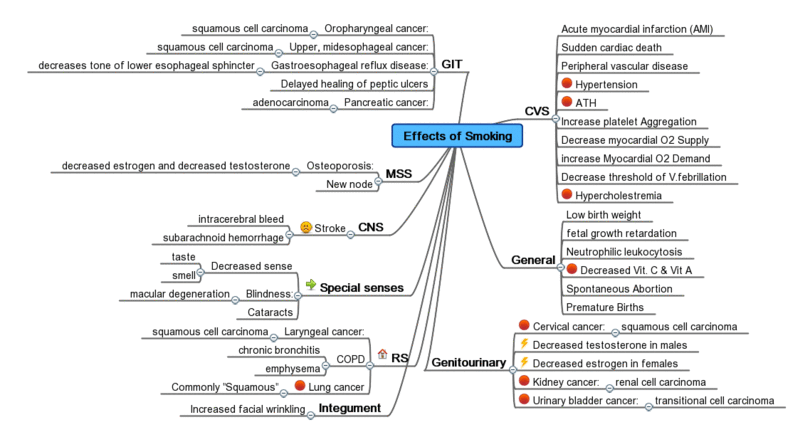


 On December 7th, the New York Times reported on the 2009 PISA results. As you can see, this does not look very good for the U.S. educational system.


 Here are some of the most commonly known reasons for hearing loss.


 P>Graphic source: http://www.noaanews.noaa.gov/stories2010/images/glob-201001-201008.gif