https://www.bettycjung.net/FGC-2026.htm

2026 U.S. Federal Government Changes (January - April)

|
 |
 |
 |
 |
 |
|

Custom Search
|
Custom Search
|
| 2025 Federal Government Changes | 2026 Federal Government Changes (January - April) | 2026 Federal Government Changes (May - August) | 2026 Federal Government Changes (September - December) |
| PH Data Index Page | A - D Data | E - H Data | I - Z Data | US Govt Stats |
The content was originally added to my U.S. Federal Government & Other National Statistics Sites webpage, which included links to various federal government webpages with data that I thought would be useful for Public Health and other related-field professionals.
When resources started to be removed, starting January 20, 2025, I started posting these changes on LinkedIn and BlueSky, so people would know what was no longer available. And, then other changes started happening, and I decided to document these changes on the Govstats.htm page noted above.
Finally, on August 14, 2025, NBC news item How Trump is reshaping government data. The Trump administration has influenced data used by researchers, economists and scientists - an effort that drew more attention after the president fired the head of the Bureau of Labor Statistics indicated that access to federal government resources would be compromised by these continual removal of data sources, I created the 2025 Federal Government Changes webpage to document changes to U.S. federal government data sources.
As 2026 begins, I have resigned myself to the fact that data changes will continue, and it is imperative that future generations should have a record of what has been happening since January 20, 2025.
So, here is the webpage for 2026 changes. If you think other content should be included, please contact me: 
|
Legal Action Trackers Tracking the lawsuits against the Trump administration Last updated January 16, 2026 Trump Administration Litigation Tracker Erasure in Action Save Our Signs The Decoding DOGE archive USAFACTS.org Decoding DOGE covered government data and agencies related to the Department of Government Efficiency in the early months of the second Trump administration. We're no longer making this newsletter. However, we've archived the issues below so you can still access context on major spending changes and DOGE decisions. |
Epstein Files Sources You are logged in as Jeffrey Epstein, jeevacation@gmail.com Search Epstein files using a Gmail format. The Jmail Encyclopedia the encyclopedia of people, places, and events from the Epstein scandal-grounded in Jmail data.AI-generated from government-released emails and documents. A supplement to Wikipedia. |
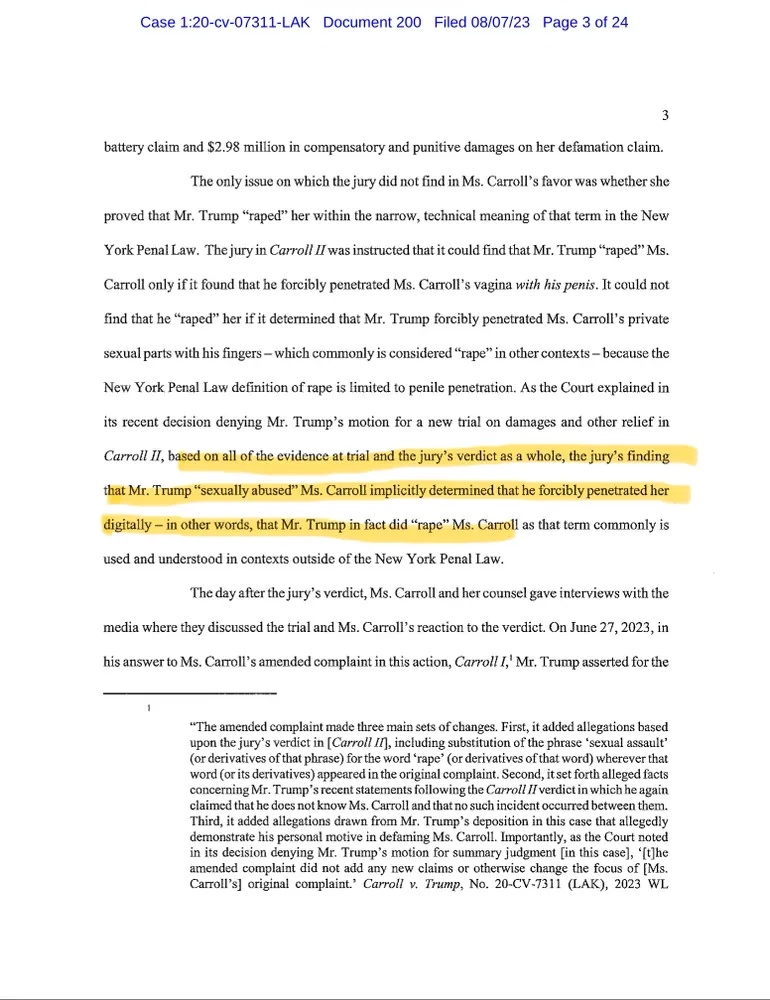
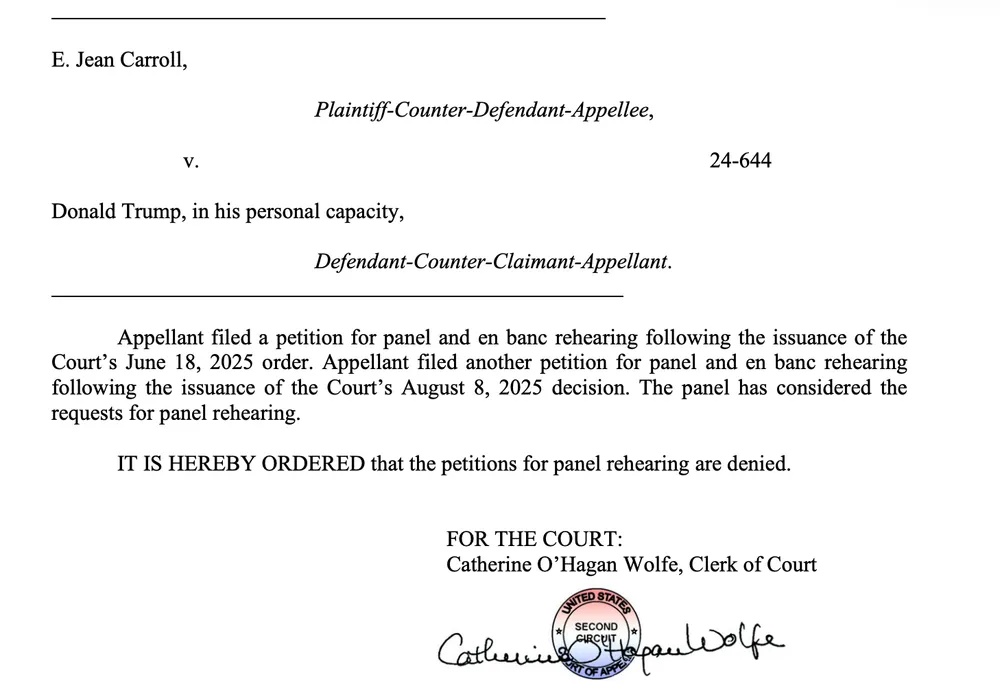
9/4/2025 - If there wasn't a felon in the White House, taxpayer money wouldn't be wasted on contesting all the laws he is breaking and all the illegal actions he has been taking, like denying people of their rights (due process). [https://bsky.app/profile/bettycjung.bsky.social/post/3lxz3rxvrls2z]
2025 Highlights
|
|
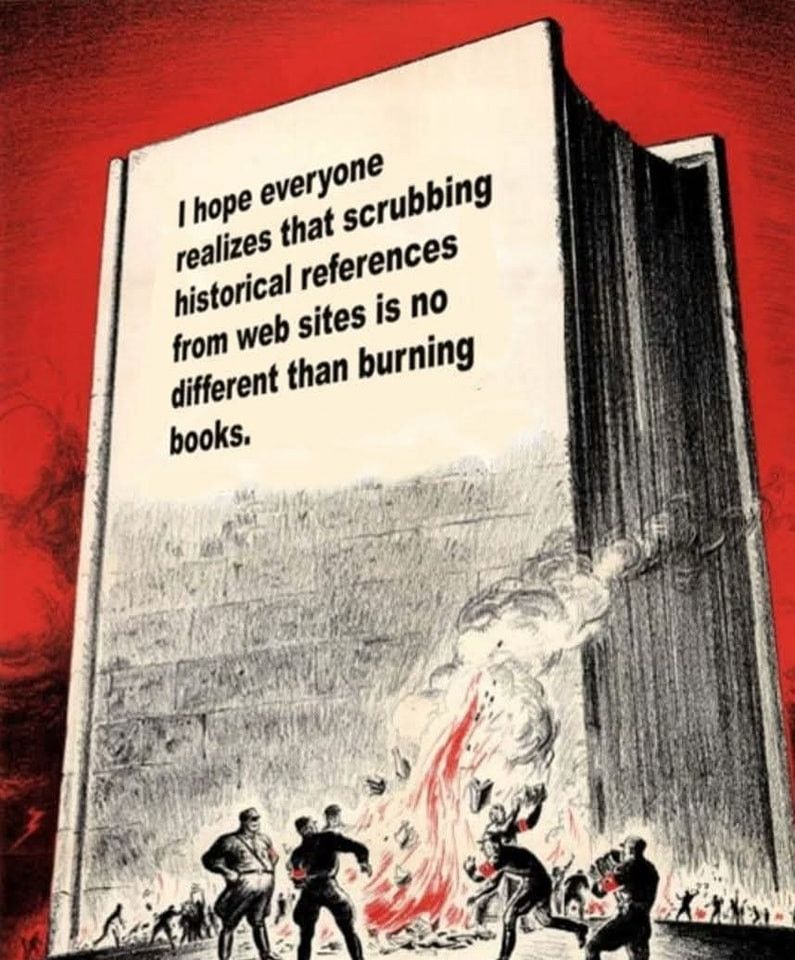
When Revision is Wrong
Historical Negationism: This involves denying the veracity of facts or manipulating data to promote a false narrative, often seen in the denial of genocides. Dishonesty and Distortion: Intentionally misrepresenting the historical record to fit a particular ideology or political agenda is a misuse of history. "Whitewashing": This occurs when negative aspects of history are minimized or ignored to make the past seem more palatable or to protect certain beliefs or groups, as noted in Quora. Lack of Integrity: When sources are misrepresented, evidence is ignored, or conclusions are predetermined to serve an agenda rather than the pursuit of truth, the historical process is corrupted. The Key Distinction
|

Much of federal data collection operates out of public view, which means disruptions in the system can go largely unnoticed, Rosenbaum warned. Another known example of disappearing data is information from the National Center for Education Statistics, the federal government's premier source for education data. Amid the Trump administration's dismantling of the Department of Education, the center's Early-Childhood Longitudinal Studies — which collect data on everything from classroom size and teacher backgrounds to student home life, mental health and diet — were halted. Before the cuts, researchers had gathered data from kindergarten cohorts entering in 2023 and 2024. "These longitudinal data sets are particularly valuable because they're very expensive to collect, but they give us some really important information about points of intervention." "These longitudinal data sets are particularly valuable because they're very expensive to collect, but they give us some really important information about points of intervention," On top of fears that key datasets could disappear altogether, experts warn that specific surveys may be deliberately targeted to mask the fallout of recent policy decisions.
In September, the U.S. Department of Agriculture announced it was ending its Food Insecurity Survey, which had provided annual data on hunger trends and guided policymakers in crafting strategies to address food insecurity. Before it was canceled, the survey had collected data for 30 years. The most recent findings, released in 2024, found that 1 in 7 households were food insecure and that the rate was growing. The survey cancelation came after Congress and the Trump administration adopted federal budget legislation that sharply cuts funding for public assistance programs, including food assistance. Experts warn food insecurity will surge once the cuts take full effect - which some suggest may have been a motivator to end the survey."They don't want to put out numbers that say that," Kyle Ross, a policy analyst at the Center for American Progress, told The Nation's Health Podcast.
Besides cutting off data altogether, there are also concerns that data may be changed or misrepresented. The Trump administration has previously altered federal data to align with its political stances. In a review of more than 200 federal datasets modified over three months last year by administration officials, nearly half were substantially changed, according to a July study in The Lancet. In most cases, references to "gender" were replaced with "sex," keeping in line with the Trump administration's stance on gender identity. "Because some respondents will answer questions about gender differently from questions about sex, changing these terms changes the accuracy of the dataset and the conclusions that can be drawn," the researchers said.
Public health workers nationwide rely on NCHS data to identify and monitor health problems, track risk factors and evaluate the impact of programs and policies. The information guides decisions on issues ranging from harm reduction to food insecurity.
But as the Trump administration haphazardly hacked away at the U.S. Department of Health and Human Services last year - firing and then rehiring some workers, cutting and then restoring some programs, sometimes in the same week - many highly qualified workers who collect, interpret and share U.S. data on health left, according to Lau.
States will no longer be required to report how many children they vaccinate to the Centers for Medicare and Medicaid Services (CMS), according to a December 30 letter to state health officials.
In the future, however, CMS will explore "new vaccine measures that capture information about whether parents and families were informed about vaccine choices, vaccine safety and side effects, and alternative vaccine schedules," according to the letter.
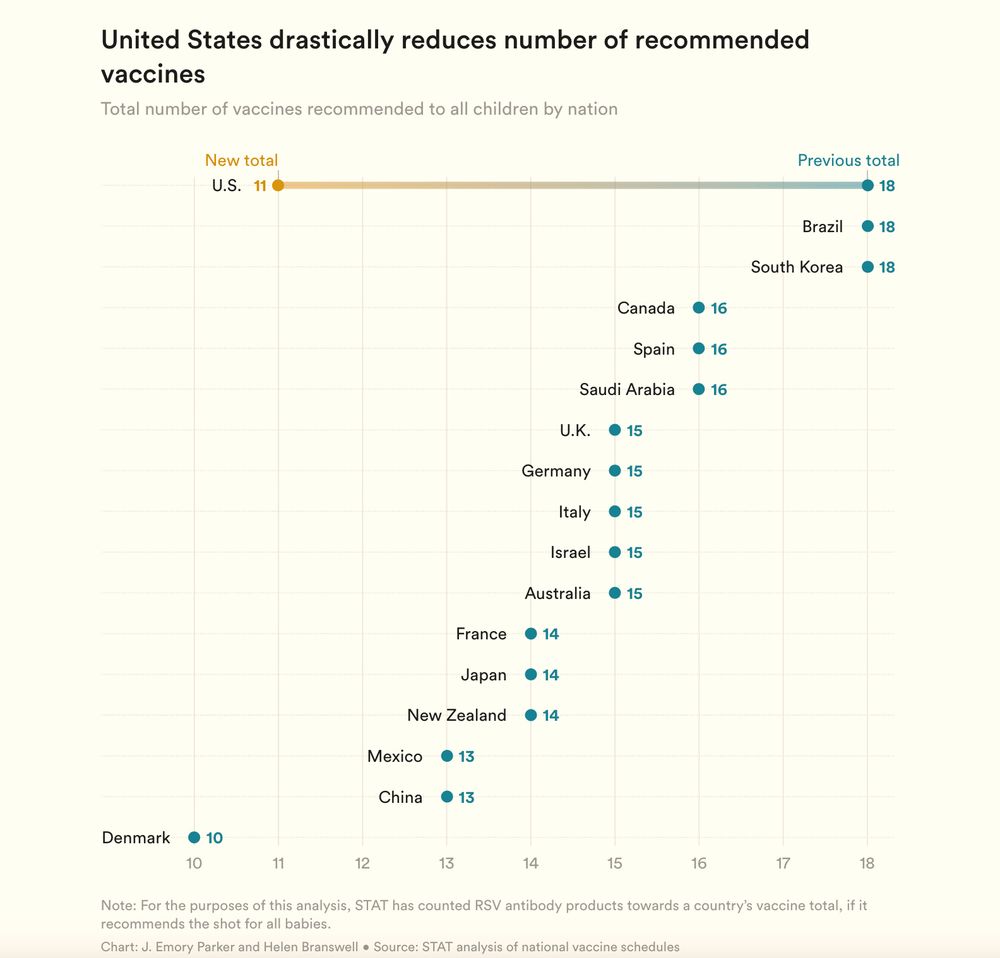
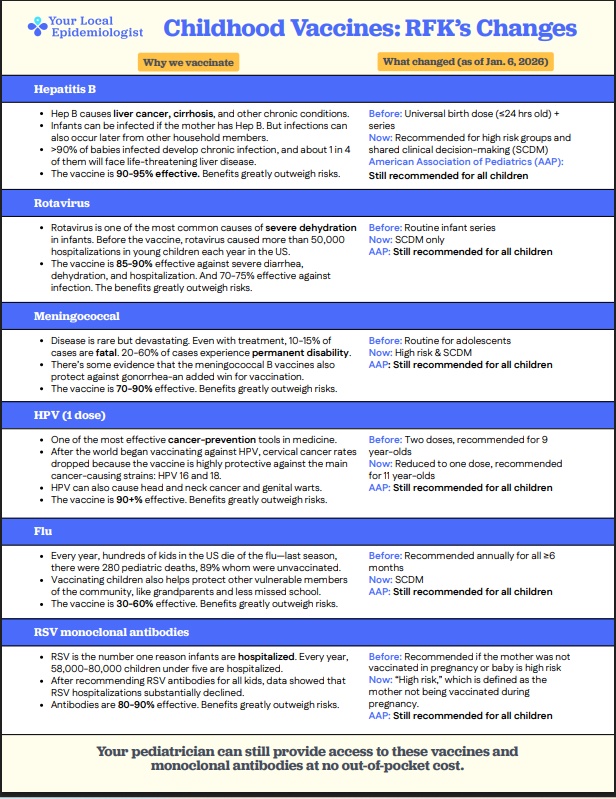
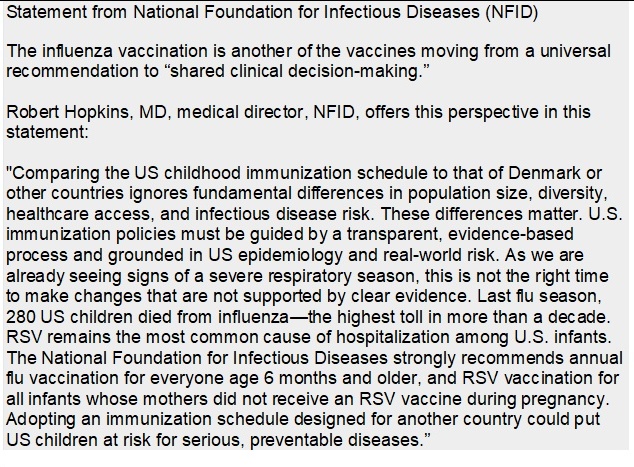
The change comes amid efforts by US Health and Human Services (HHS) Secretary Robert F. Kennedy Jr.'s efforts to restrict access to vaccines. The Trump administration in December issued a memo to HHS officials to alter the US child immunization schedule, which currently protects against 18 life-threatening diseases, to resemble that of Denmark, which protects children against 10 diseases. The Centers for Disease Control and Prevention (CDC) in December also stopped recommending the hepatitis B vaccine for all newborns, instead recommending the vaccine for infants whose mothers test positive for hepatitis B or whose infection status is unknown.
Tracking childhood immunization data is important, because it can help researchers and policymakers identify trends and problems in vaccine access, said Joshua M. Sharfstein, MD, a professor at the Johns Hopkins Bloomberg School of Public Health. "If CMS makes this change, it will become harder to understand gaps in vaccination that leave communities exposed to outbreaks of serious and even deadly infectious diseases," Sharfstein told CIDRAP News.
Thomas Nguyen, DO, a pediatrician in Canton, Ohio, said he has no intention of counseling parents to follow "alternative vaccine schedules." Nguyen said he follows the practice recommendations of the American Academy of Pediatrics because the organization's advice is based on rigorous science.
Reducing data collection. The Trump administration has stopping collecting data on other key health measures such as whether people have a reliable source of healthy food. Other government agencies also collect data on vaccination. For example, the CDC conducts the National Interview Surveys.
January 3, 2026. Rep. Judy Chu's statement
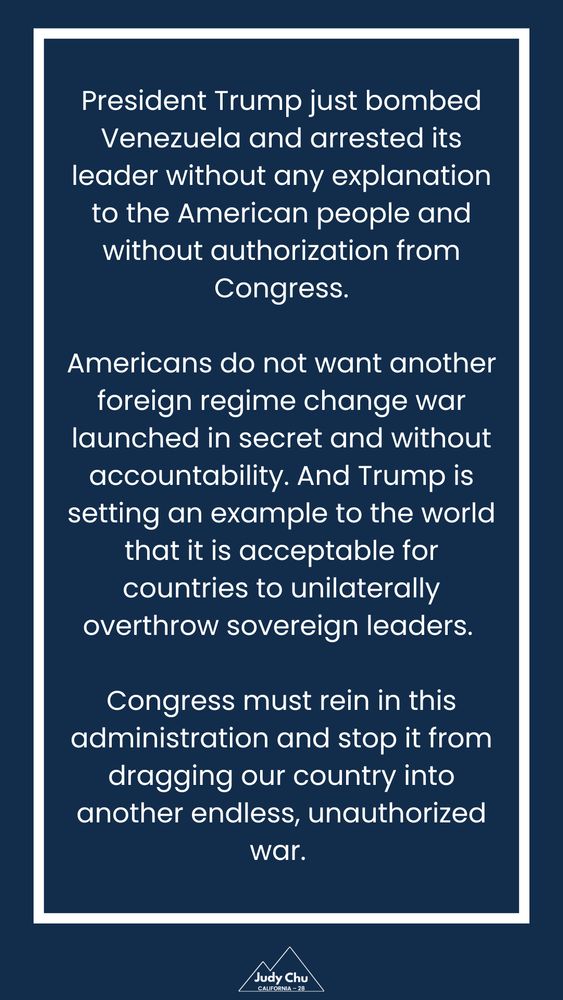
Graphic source: https://bsky.app/profile/chu.house.gov/post/3mbjwangid22i
January 4, 2026

Graphic source: https://bsky.app/profile/thomasbenner.bsky.social/post/3mblcr7t25c2c

Graphic source:https://bsky.app/profile/sethabramson.bsky.social/post/3mbk4gfzlps2c
A series of politically driven actions in 2025-including defunding mRNA research, dismantling vaccine advisory bodies, and restricting CDC recommendations-has undermined US vaccine access and pandemic preparedness, but professional societies and some states are stepping in to preserve evidence-based public health. It feels like everything is unraveling at once.
This patchwork of state laws and societal guidance is far from efficient, but it may be the only way to preserve access until federal leadership is restored. The scientific community, professional societies, and even state legislatures are showing they will not sit idle while progress unravels. They reflect a refusal to abandon evidence-based medicine. If enough clinicians, scientists, and advocates act, the foundations of public health can endure this storm—and perhaps emerge stronger once society has been reminded of the consequences of vaccine-preventable disease.
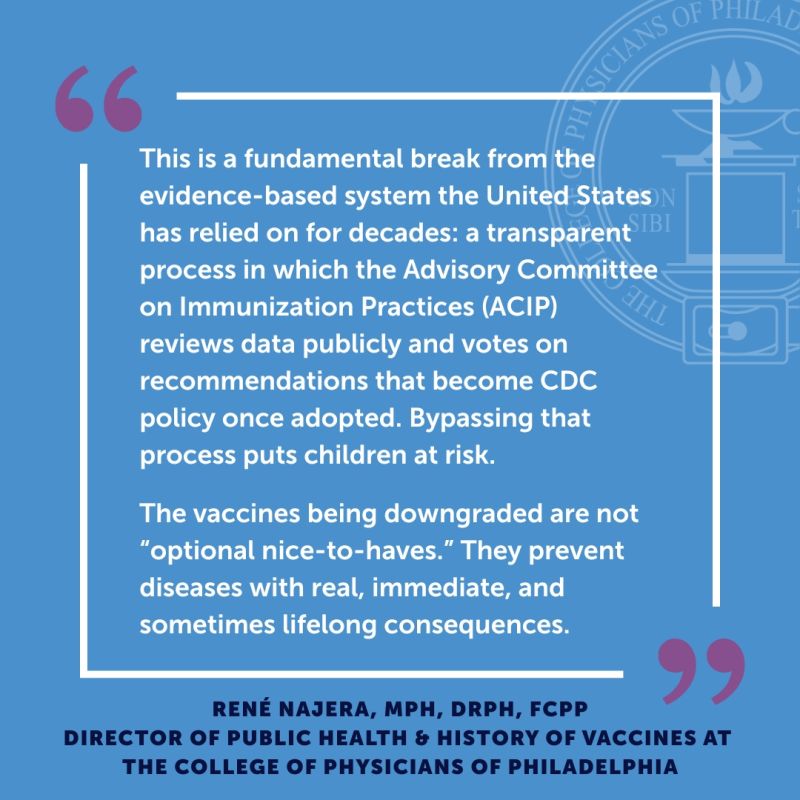
The states, not the federal government, have the authority to mandate vaccinations. But recommendations from the C.D.C. greatly influence state regulations. Mr. Kennedy and his appointees have made other changes to the childhood vaccination schedule, but those have had smaller impact. The new schedule circumvents the detailed and methodical evidence-based process that
has underpinned vaccine recommendations in the nation for decades. Until now, a federal panel of independent advisers typically reviewed scientific data for each new vaccine, and when and how it should be administered to children.
Public health experts expressed outrage at the sweeping revisions, saying federal officials did not present evidence to support the changes or incorporate input from vaccine experts. "The abrupt change to the entire U.S. childhood vaccine schedule is alarming, unnecessary and will endanger the health of children in the United States," said Dr. Helen Chu, a physician and immunologist at the University of Washington in Seattle and a former member of the federal vaccine advisory committee.
Dr. Chu also took issue with the health officials' claim that the move would increase trust in vaccines and boost immunization rates. It will do the opposite, she warned. "Already, parents are worried about what they are hearing in the news about safety of vaccines, and this will increase confusion and decrease vaccine uptake," Dr. Chu said. The new schedule continues to recommend vaccines against some diseases, including
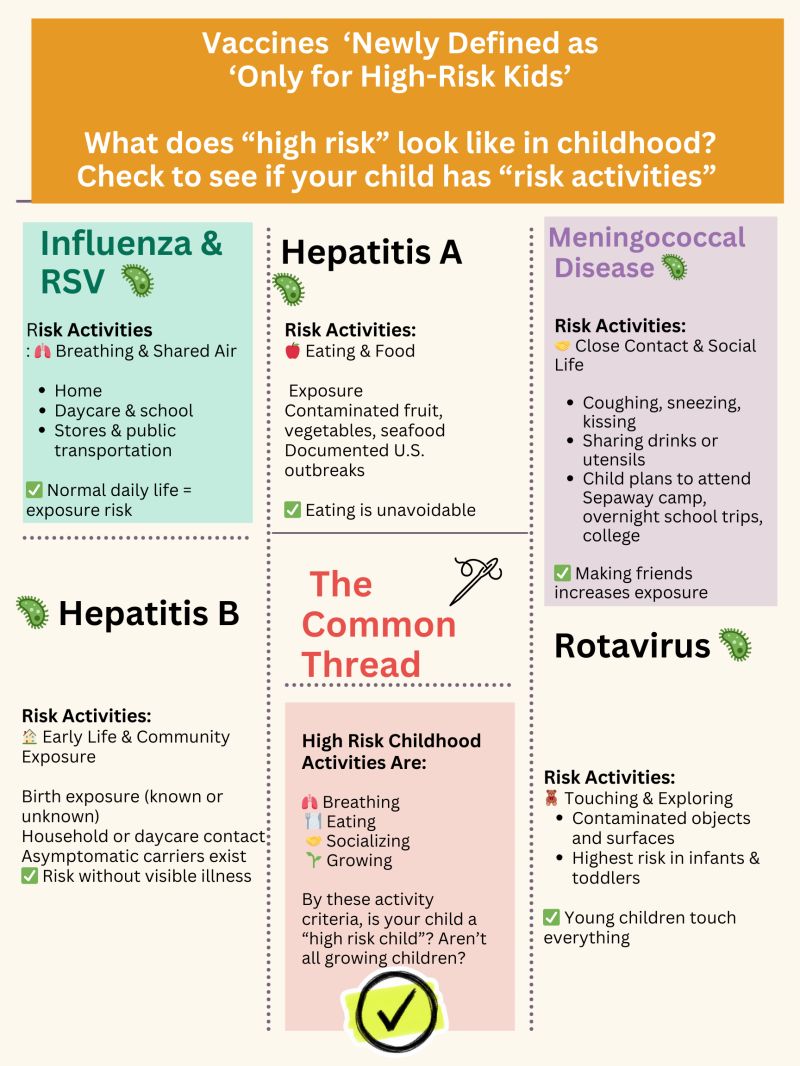
measles, polio and whooping cough, for all children. Immunization against other diseases - such as respiratory syncytial virus, the leading cause of hospitalization in American infants - will be recommended for only some high
risk groups.
But other shots, including those against rotavirus, influenza and hepatitis A, can be administered to children only after consultation with a health care provider. It is unclear what evidence led to these decisions, said Dr. Demetre Daskalakis, who led the C.D.C. center that oversaw vaccine policy before he resigned in August. "Stealth announcements of seismic changes in vaccine policy should include experts in pediatrics, infectious diseases and immunology," Dr. Daskalakis said. "These are lacking as is scientific process and a review of the data."
In their report, officials called the United States a "global outlier among peer nations" in terms of the vaccines it recommends. But public health experts noted that with one or two exceptions, the vaccination schedule in the United States is nearly identical to those of Canada, Britain, Australia and Germany. Japan omits some vaccines in the American schedule but includes others, like a shot against Japanese encephalitis, that are not routinely administered in the United States.
Even with the President's endorsement, some legal experts questioned whether Mr. Kennedy had the authority unilaterally to remake the vaccine schedule. Under a federal law called the Administrative Procedure Act, "agencies are supposed to undertake a rigorous process and ground these kinds of major policy decisions in evidence," said Richard H. Hughes IV, a lawyer who teaches vaccine law at George Washington University. Agencies are forbidden to act "arbitrarily and capriciously," Mr. Hughes said. (Mr. Hughes is leading an effort to sue Mr. Kennedy and the health department over changes to Covid vaccine recommendations Mr. Kennedy announced last year.)
Discussions with health officials from those nations preserved the recommendation for the shot against varicella, or chickenpox, as well as one dose against the human papillomavirus, which is credited with sharply eliminating the risk of cervical cancer among American women. Experts have pointed out that each country's schedule is designed to fit its population
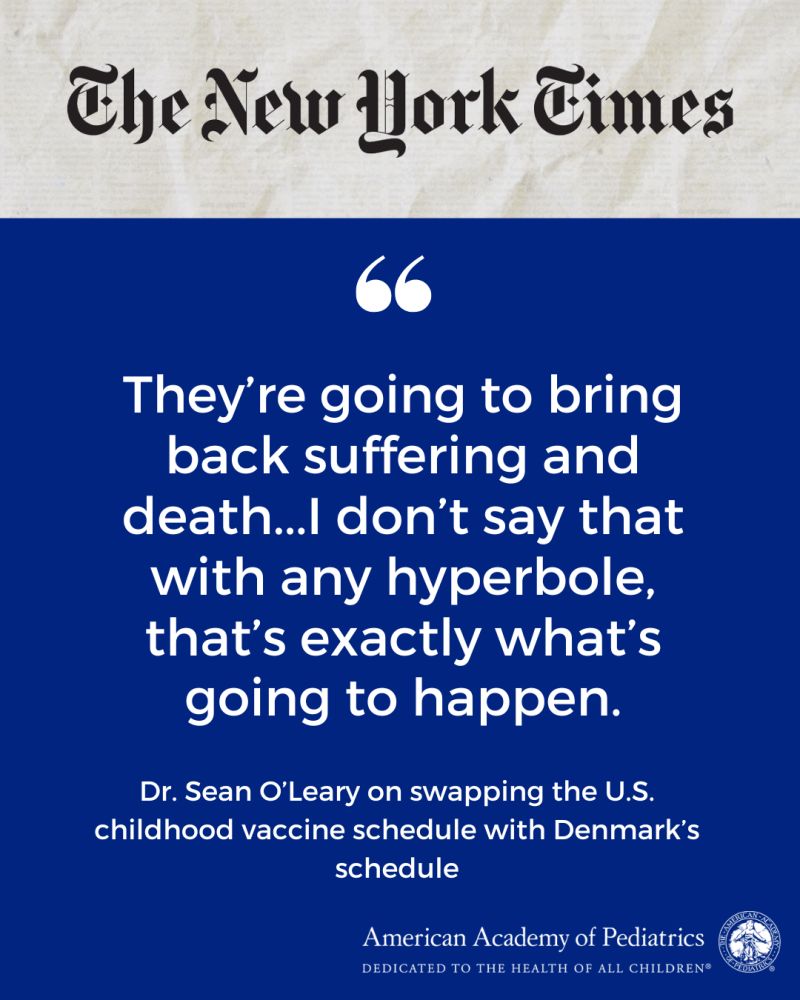
and health care realities. The childhood schedule now closely resembles that of Denmark, a country with free health care and a population about 2 percent of that of the United States.
Health officials said the changes would not affect access to the vaccines or their coverage by insurance companies. "All vaccines currently recommended by C.D.C. will remain covered by insurance without
cost sharing," Dr. Mehmet Oz, administrator for the Centers for Medicare & Medicaid Services, said in a statement. "No family will lose access,"Dr. Oz said.
The United States is now a global outlier when it comes to vaccines
Graphic source:https://bsky.app/profile/jaspar.bsky.social/post/3mbypy56rds2u

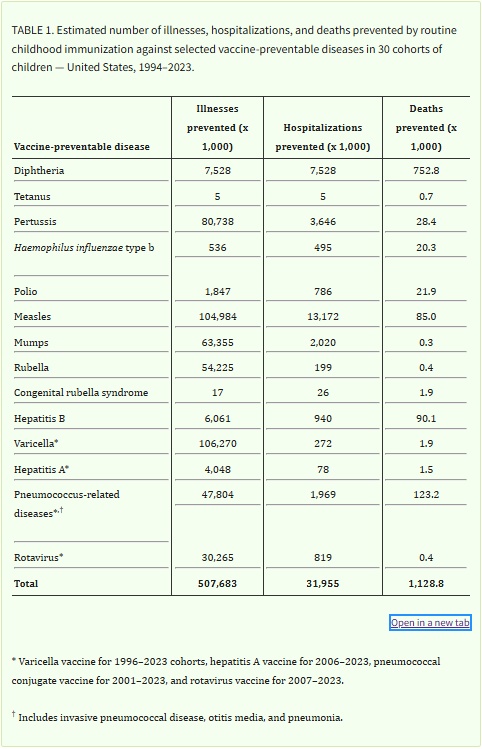
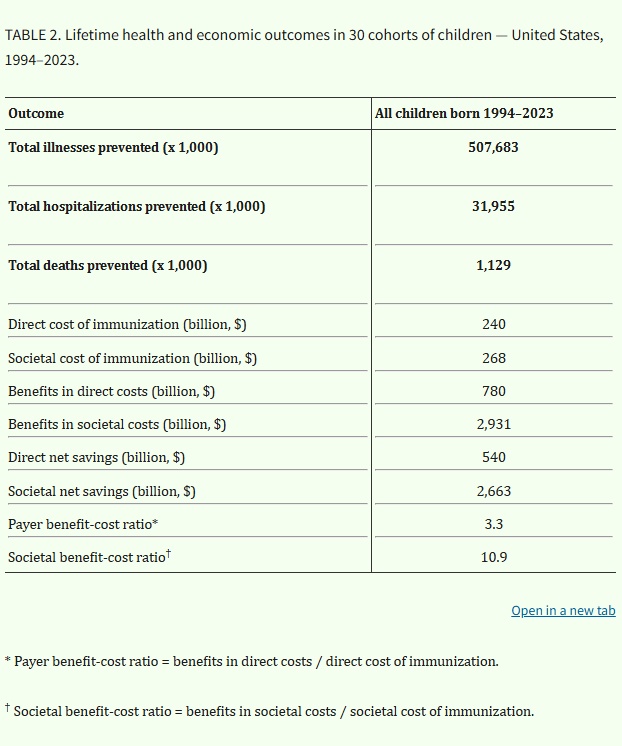
Health and Economic Benefits of Routine Childhood Immunizations in the Era of the Vaccines for Children Program - United States, 1994-2023 MMWR Morb Mortal Wkly Rep. 2024 Aug 8;73(31):682-685. doi: 10.15585/mmwr.mm7331a2.
This MMWR report released in 2024 was NOT INCLUDED in HHR's research into childhood vaccines. Based on this study, the excluded vaccines showed health and economic benefits. So, there was no justification for removing the 7 vaccines from the childhood immunization schedule.
Video source:
https://x.com/mjfree/status/1918994733923270685
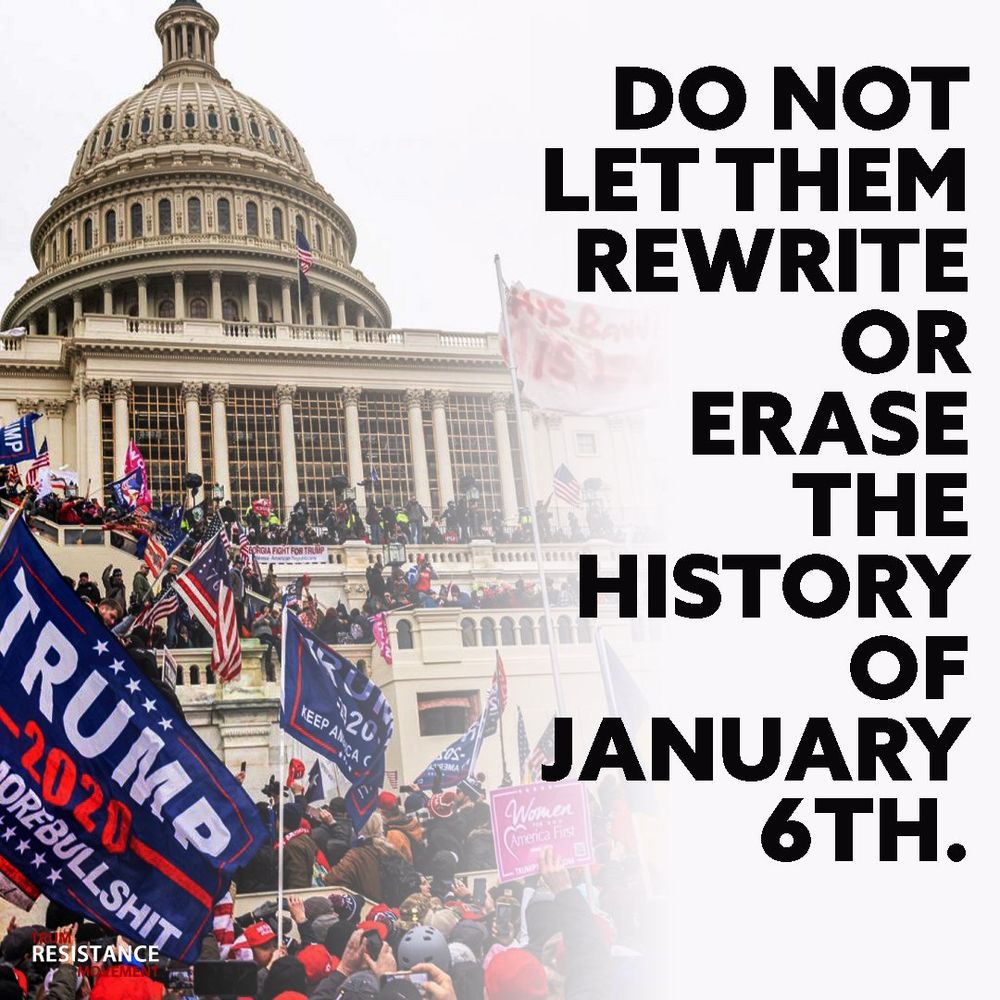
Graphic source: @pumpkin061.bsky.social

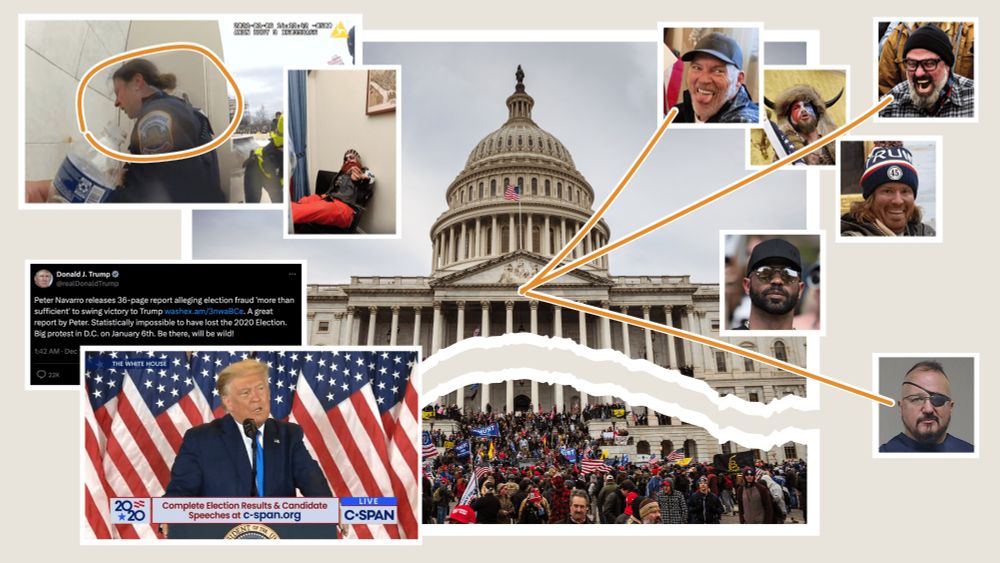
Visitors can pass through the Capitol without any formal reminder of what happened that day, when a mob of President Donald Trump's supporters stormed the building trying to overturn the Republican's 2020 reelection defeat to Democrat Joe Biden. With memory left unchecked, it allows new narratives to swirl and revised histories to take hold.
Five years ago, the jarring scene watched the world over was declared an "insurrection" by the then-GOP leader of the Senate, while the House GOP leader at the time called it his "saddest day" in Congress. But those condemnations have faded. Trump calls it a "day of love." "The question of January 6 remains - democracy was on the guillotine - how important is that event in the overall sweep of 21st century U.S. history," said Douglas Brinkley, a professor of history at Rice University and noted scholar.
At least five people died in the riot and its aftermath, including Trump supporter Ashli Babbitt, who was fatally shot by police while trying to climb through a window toward the House chamber. More than 140 law enforcement officers were wounded, some gravely, and several died later, some by suicide.
All told, some 1,500 people were charged in the Capitol attack, among the largest federal prosecutions in the nation's history. When Trump returned to power in January 2025, he pardoned all of them within hours of taking office.
Unlike the twin light beams that commemorated the Sept. 11, 2001, attack or the stand-alone chairs at the Oklahoma City bombing site memorial, the failure to recognize Jan. 6 has left a gap not only in memory but in helping to stitch the country back together. "That's why you put up a plaque," said Rep. Mary Gay Scanlon, D-Pa. "You respect the memory and the service of the people involved."
Lawmakers approved the plaque in March 2022 as part of a broader government funding package. The resolution said the U.S. "owes its deepest gratitude to those officers," and it set out instructions for an honorific plaque listing the names of officers "who responded to the violence that occurred." It gave a one-year deadline for installation at the Capitol. This summer, two officers who fought the mob that day sued over the delay.
"By refusing to follow the law and honor officers as it is required to do, Congress encourages this rewriting of history," said the claim by officers Harry Dunn and Daniel Hodges. "It suggests that the officers are not worthy of being recognized, because Congress refuses to recognize them."
"We should stop this silliness of trying to whitewash history -- it's not going to happen," said Rep. Joe Morelle, D-N.Y., who helped lead the effort to display the replica plaques. "I was here that day so I'll never forget," he said. "I think that Americans will not forget what happened." The number of makeshift plaques that fill the halls is a testimony to that remembrance, he said. Instead of one plaque, he said, they've "now got 100."
Source: https://yourlocalepidemiologist.substack.com/p/a-unilateral-change-to-childhood
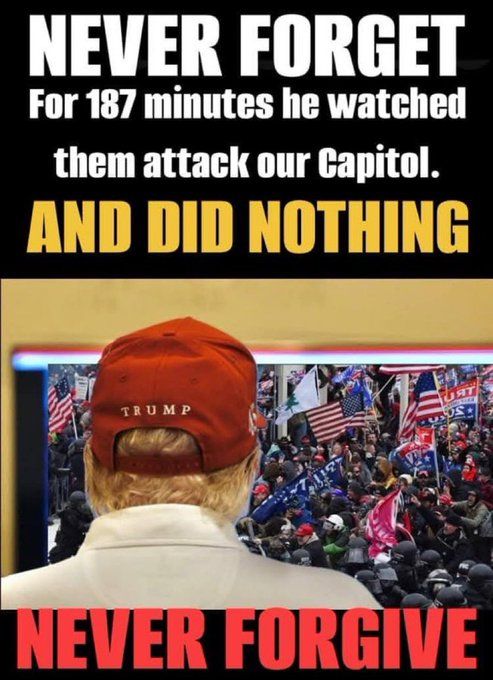
The White House published a website Tuesday with a false telling of the Jan. 6, 2021, attack, underscoring President Donald Trump's years-long effort to reshape the narrative surrounding the day when a mob of his supporters violently overran the U.S. Capitol to stop the certification of Joe Biden's electoral college victory.
The White House website criticizes Democrats and some Republicans for engaging in what Trump has called a "witch hunt" against him after the Jan. 6 attack. Trump was indicted by a federal grand jury in August 2023 on four criminal counts, including conspiracy to defraud the United States, in a case investigating his involvement in the Jan. 6 attack and his efforts to overturn the 2020 election results.
Former special counsel Jack Smith, who led the federal prosecution of Trump, told a House committee last month that the president bears the bulk of the blame for instigating the attack and emphasized that crimes occurred at the Capitol that day for Trump's benefit.
Trump's rhetoric led to a rampage inside the U.S. Capitol on Jan. 6, when a pro-Trump mob came within seconds of encountering Vice President Mike Pence, trapped lawmakers and vandalized the home of Congress in the worst desecration of the complex since British forces burned it in 1814. Five people died in the Jan. 6 attack or in the immediate aftermath, and 140 police officers were assaulted.
Smith dropped the case after Trump was reelected in 2024, citing federal regulations that prohibit prosecutions against sitting presidents. "The evidence here made clear that President Trump was by a large measure the most culpable and most responsible person in this conspiracy," Smith testified to lawmakers last month, according to a transcript released by the Republican-led House Judiciary Committee. "These crimes were committed for his benefit. The attack that happened at the Capitol, part of this case, does not happen without him."
Trump also was impeached following the attack, but the Senate acquitted him during the subsequent trial. The attack - and Trump's involvement - became the focus of a bipartisan House committee, whose members are prominently featured on the White House's new website.
Among the five deaths was that of U.S. Capitol Police Officer Brian D. Sicknick, who died the following day after being assaulted in the riot. Among numerous false claims in its recounting of Jan. 6, the White House website claims that "Zero law enforcement officers lost their lives," making no mention of Sicknick. The riot also left about 140 members of law enforcement injured. Years later, the trauma of defending the Capitol that day has continued to dog many officers.
The White House website also falsely claims - as Trump has for years - that the 2020 presidential election was "stolen," and that Pence had the power to "return disputed electoral slates to state legislatures for review and decertification" but chose not to "in an act of cowardice and sabotage."
Pence, who presided over the certification of the electoral votes following the attack, has steadfastly defended his actions on Jan. 6, saying to do otherwise would have been unconstitutional. Trump's former vice president was inside the Capitol during the attack and had to be evacuated from the Senate floor with his family as rioters stormed the complex. Many in the mob chanted "Hang Mike Pence!" on the misguided belief that Pence could have stopped Congress from certifying Biden's victory.
The new White House website also repeats a claim made often by Trump and his allies - that Rep. Nancy Pelosi (D-California), who was speaker of the House at the time of the attack, is to blame for "security lapses" at the Capitol. Pelosi has vehemently rejected those accusations, saying again Tuesday that Trump resisted appeals to intervene in the attack for more than three hours.
"For over three hours we begged [Trump] to send the National Guard! He never did it. He took joy in not doing it. He was savoring it. ... What he's saying today is an insult to the American people," Pelosi said at a Tuesday House event. Pelosi spokesman Ian Krager slammed the new website as an attempt to rewrite history.
"Cherry-picked, out-of-context clips do not change the fact that the Speaker of the House is not in charge of the security of the Capitol Complex - on January 6th or any other day of the week," Krager said in a statement. "The ongoing attempts to whitewash the deadly insurrection are shameful, unpatriotic, and pathetic."
Earlier Tuesday, Democrats held a meeting to mark the anniversary of the attack, in which they accused Trump and Republicans of attempting to whitewash history. Guests included Pamela Hemphill, a rioter who said she took responsibility for her actions in 2021 and refused Trump's pardon in 2025."Once I got away from the MAGA cult and started educating myself about January the 6th, I knew what I did was wrong," Hemphill told lawmakers.
Rep. Bennie G. Thompson (D-Mississippi), who led the bipartisan Jan. 6 committee, said in opening remarks that it is "important that we remember exactly what happened." "January 6th was not a regular tourist visit. It was not a day of love. It was a bloody riot that pushed our democracy to the breaking point," Thompson said.
What happened: On the fifth anniversary of the storming of the Capitol, the White House launched a website claiming President Donald Trump was the victim of a witch hunt.
Also: The Washington Post contacted 58 current and former officers from the law enforcement agencies that responded to the storming of the U.S. Capitol. Many said they were injured but never reported it. Others refused to talk, saying they feared harassment.
What to know: House Republicans and the president held an all-day policy forum today, at which Trump conceded his agenda has not broken through with voters.
More: Trump told Republicans to focus on drug prices, transgender athletes and crime, and said the GOP must keep its House majority or he'll be impeached a third time.


Statements re: Vaccine Cuts
|
|
 |
|
|
|
|
|
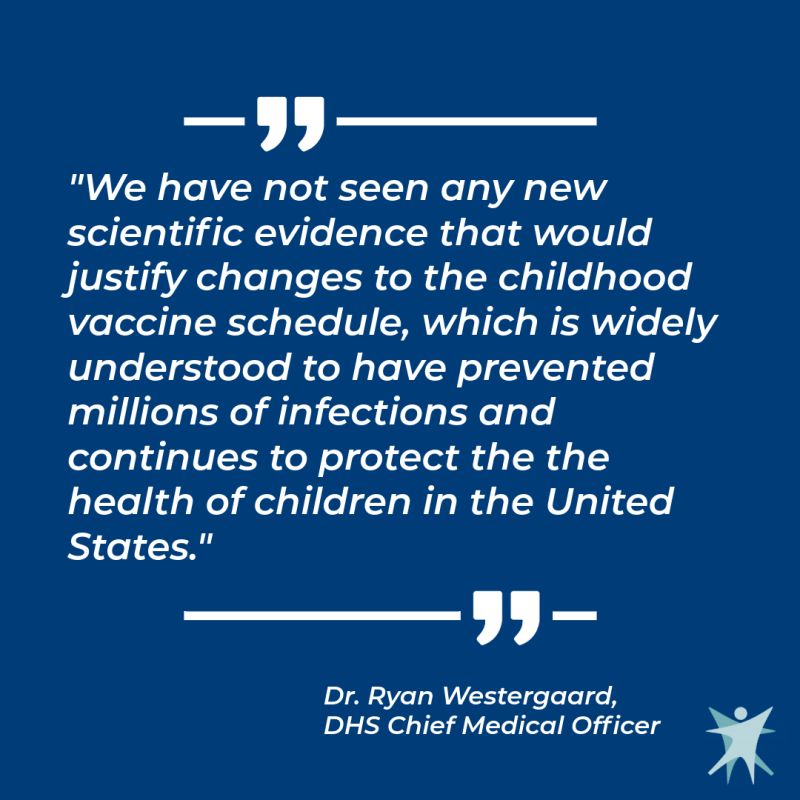
"This change at the federal level does not reflect the best available science. Medical association immunization schedules are evidence-based, reflect current clinical practice and are developed through established professional review processes," said Minnesota Commissioner of Health Dr. Brooke Cunningham. "Aligning our recommendations with professional medical associations helps provide clarity and stability for families and providers by using a proven set of recommendations that doctors, and other clinicians, already know and trust."
The unilateral move by the federal government to change the childhood immunization schedule did not follow previous processes that include intensive scientific review by an advisory committee. In order to provide Minnesotans with clear, science-based information about immunization, MDH is updating its website and other immunization guidance to follow the immunization schedules put out by professional medical associations.
MDH's immunization recommendations will now align with these professional medical associations:
The American Academy of Pediatrics (AAP) immunization schedule when vaccinating children and adolescents from birth through 18 years of age.
The American College of Obstetricians and Gynecologists (ACOG) maternal immunization guidance for recommended vaccines during pregnancy.
Minnesota has previously shifted away from the federal CDC schedule for COVID-19 and hepatitis B vaccines. This action extends that approach across all vaccines. Aligning immunization recommendations with those of medical professional associations will help save lives, prevent infectious diseases, and ensure a simpler, more consistent approach for providers, parents and the public.
For years, many conservatives have criticized fact-based reporting about race and diversity from mainstream media outlets. They allege "liberal bias" after any attempt by news organizations to honestly report on the real-world impact of racism and other forms of discrimination.
The Trump administration shares that view, insisting government departments, media companies and colleges end their diversity, equity and inclusion programs or suffer disastrous consequences. They're not bringing change by presenting new evidence; they're simply punishing and pressuring people into rejecting previously accepted notions about how oppression exists in the United States.
And their words are beyond concerning: The vice president of the United States has used language about white pride that some politicians feel comes too close to the language utilized by white supremacists. A senior White House official talks about immigration in ways that demonize immigrants and pines for an immigration policy from the days, decades past, when America was a nation strictly segregated by race. The president has admitted that a racist comment he once denied making was something he actually did say.
Almost eight years later, Trump confirms he used the phrase 'shithole countries' CNN, December 10, 2025
On Tuesday, almost eight years later, Trump explicitly confirmed he had spoken of 'shithole countries' during a past closed-door meeting with senators.
But then Trump said this. "Remember I said that to the senators that came in, the Democrats. They wanted to be bipartisan. So they came in. And they said, 'This is totally off the record, nothing mentioned here, we want to be honest,' because our country was going to hell. And we had a meeting. And I say: Why is it we only take people from shithole countries, right? Why can't we have some people from Norway, Sweden - just a few - let us have a few. From Denmark - do you mind sending us a few people? Send us some nice people, do you mind? But we always take people from Somalia. Places that are a disaster, right? Filthy, dirty, disgusting, ridden with crime." The report said a source said Trump had asked during the meeting, "Why do we want all these people from 'shithole countries' coming here?"
The Smithsonian's National Portrait Gallery removed wall text that referred to President Trump's two impeachments - language that had upset the White House - when the museum recently replaced a portrait of him in its "America's Presidents" exhibition. The wall text described some of Mr. Trump's political accomplishments, including his appointment of three Supreme Court justices, his promotion of the development of Covid-19 vaccines and his "historic comeback in the 2024 election" after he lost the previous election to Joseph R. Biden Jr.
It also included: "Impeached twice, on charges of abuse of power and incitement of insurrection after supporters attacked the U.S. Capitol on January 6, 2021, he was acquitted by the Senate in both trials."
The E.P.A. has for decades included the monetary value of preventing health problems and saving lives as part of the cost-benefit analyses it uses to determine environmental regulations. The Trump administration plans to end that.
The change could make it easier to repeal limits on pollutants from coal-burning power plants, oil refineries and other facilities. It would most likely result in lower costs for companies, but dirtier air.
Today: A bipartisan group of former Treasury secretaries, top economic officials and every former chair of the Federal Reserve rebuked the criminal inquiry into Fed Chair Jerome H. Powell.
Also: The stock market wobbled, the price of gold hit a record high and the value of the dollar slipped, all signs of unease among traders.
Big picture: Powell alleged that the investigation is because President Donald Trump wants him to lower interest rates.
What to know: The senator and retired Navy officer filed a lawsuit today seeking to reverse the Defense secretary's effort to censure, and potentially demote, him.
Background: Hegseth sent a letter of censure to Kelly last week, citing Kelly's video message to U.S. military personnel reminding them of their duty to disobey illegal orders.
A federal judge has ordered the Trump administration to restore nearly $12 million in funding to the American Academy of Pediatrics, including money for rural health care and the early identification of disabilities in young children. U.S. District Judge Beryl Howell in Washington, D.C., awarded the preliminary injunction late Sunday, siding with AAP in saying evidence showed the U.S. Department of Health and Human Services likely had a "retaliatory motive" when it terminated grants to the pediatric group in December.
"This is not a case about whether AAP or HHS is right or even has the better position on vaccinations and gender-affirming care for children, or any other public health policy," Howell wrote in her decision. "This is a case about whether the federal government has exercised power in a manner designed to chill public health policy debate by retaliating against a leading and generally trusted pediatrician member professional organization focused on improving the health of children."
The seven grants terminated in December supported numerous public health programs, including efforts to prevent sudden unexpected infant death, strengthen pediatric care in rural communities and support teens facing substance use and mental health challenges. AAP alleged the cuts were made in retaliation for the group speaking out against the Trump administration's positions and actions. HHS said in letters to AAP that the grants were cut because they no longer aligned with the department's priorities. The department has denied AAP's allegations of retaliation.
AAP has been vocal about its support for pediatric vaccines and has publicly opposed HHS positions. Health Secretary Robert F. Kennedy Jr. - who helped lead the anti-vaccine movement for years - has made sweeping changes to childhood vaccine recommendations. Last year, the pediatrics group released its own recommendations on Covid-19 vaccines, which substantially diverged from the government's guidance. The group also supports access to gender-affirming care and has publicly criticized HHS positions on the topic, saying it opposes what it calls the government's infringements on the doctor-patient relationship.
Skye Perryman, president and CEO of Democracy Forward, which is representing AAP in the lawsuit, said the ruling shows that "no administration gets to silence doctors, undermine public health, or put kids at risk, and we will not stop fighting until this unlawful retaliation is fully ended."
A new surcharge for non-U.S. citizens at 11 major national parks is causing long entrance lines, visitor turnarounds, and legal challenges, park employees say. The new surcharge for each visitor over 16 who is not a U.S. citizen or permanent resident was introduced by the Department of the Interior on January 1. The surcharge applies to 11 of the most popular national parks, including Acadia, Bryce Canyon, Everglades, Glacier, Grand Canyon, Grand Teton, Rocky Mountain, Sequoia & Kings Canyon, Yellowstone, Yosemite, and Zion.
The Guardian notes that National Park Service (NPS) employees, speaking on the condition of anonymity, have reported delays on entering the parks because of the extra time required to assess the citizenship or residency status of each occupant of each vehicle. The employees also reported that would-be visitors, upon learning of the additional nonresident fee, have oftentimes instead turned around and chosen not to enter the parks at all."Further, the additional requirements to check each visitors' residency will very likely slow entry into the parks, particularly the highly visited parks identified to charge $100 per person in addition to regular entry fees."
Last month, the Center for Biological Diversity sued the Interior Department, saying that the Federal Lands Recreation Enhancement Act (FLREA) of 2004 explicitly prohibits the department from introducing any type of pass or fee not outlined in the act or in other laws passed by Congress. The government acted outside of its authority, says the suit, for creating "Resident" and "Non-Resident" categories for the passes and for one-time park admission fees. The fee applies to one-time visits at the 11 affected parks, and will still apply on fee-free days, which the NPS says are intended only for U.S. citizens and permanent residents. Holders of an annual pass brought prior to January 1 won't have to pay the additional non-resident fee for the duration of the pass.
Richard Pazdur, a veteran regulator at the Food and Drug Administration who departed last month, said that the firewall between political appointees and drug reviewers at the agency "has been breached," and that there is not enough transparency around a new voucher program that grants accelerated review to certain drugs selected by Trump administration officials.
It's only two weeks into the new year, and President Donald Trump has already claimed control of Venezuela, escalated threats to seize Greenland and flooded American streets with masked immigration agents. And that's not even counting an unprecedented criminal investigation at the Federal Reserve.
The institution, which is viewed as independent, has sought to reduce tensions with the White House by complying with some of its demands for documents. The Smithsonian turned over more records to comply with a White House effort to audit its content. But it's unclear if that was enough to appease the Trump administration.
Facing a White House ultimatum to turn over records regarding its content, plans and operations, the Smithsonian's secretary, Lonnie G. Bunch III, said in an email to staff members on Tuesday that the institution had submitted additional materials as part of an effort to be "transparent and open."
Mr. Bunch has previously said the Smithsonian, long viewed as an independent cultural organization outside the purview of the executive branch, would not be able to turn over all materials about its internal operations demanded by the White House. But in the email, which was diplomatic in tone, he said that the institution would nevertheless continue to turn over documents on a rolling basis.
"Today we transmitted more information in response to that request, which included digital photographs of labels, placards, and other text on public display in several galleries," the email said, adding, "the Smithsonian will continue to engage with the White House, Congress, and government stakeholders to provide relevant and appropriate materials about our mission, organization, exhibitions, programs, and public offerings."
The White House did not respond to requests for comment on whether the Smithsonian's document transferhad done enough to satisfy that demand. The letter is the latest development in tensions between the Trump administration and the Smithsonian that have been building since last March, when the President issued Executive Order 14253, "Restoring Truth andSanity to American History."
In that order, President Trump argued that the Smithsonian had failed to present a sufficiently positive view of America and was instead emphasizing its flaws and struggles - particularly as it relates to racism. The executive order accused the institution of promoting "narratives that portray American and Westernvalues as inherently harmful and oppressive."
The letter demanded all of those outstanding materials by Jan. 13, with a pointed reference to the fact that alarge proportion of the Smithsonian's $1 billion budget - 62 percent - is dependent on federal funds. "As you may know," the letter said, "funds apportioned for the Smithsonian Institution are only available foruse in a manner consistent with" the executive order and the fulfillment of the document request.
Yesterday: Trump was caught on video mouthing "f--- you" and making an obscene gesture with his middle finger to a factory worker who heckled him during a tour of a Ford plant.
More: White House communications director Steven Cheung said Trump's actions were an "appropriate" response to the heckler calling the president a "pedophile protector."

Robert F. Kennedy Jr. has emboldened plenty of charlatans since taking over as head of the U.S. Department of Health and Human Services. Now, the Food and Drug Administration under his leadership has taken down a webpage warning the public about popular pseudoscientific remedies for autism.
Ars Technica reported on the removal Tuesday, though it appears to have occurred in late December. The webpage criticized a variety of unapproved interventions claimed to treat autism, particularly chelation therapy. Kennedy has previously stated his intention to expand Americans' access to unproven, alternative medical treatments, including chelation.
Chelation therapy is the use of drugs that bind to heavy metals in the body, allowing them to be excreted through urine. It's an effective treatment for certain kinds of acute poisoning or toxic exposures. But in the alt med world, chelation is instead marketed as a potent cure-all for removing toxins that supposedly cause a variety of chronic illnesses, autism included.
The FDA webpage (an archived copy can be seen below) was labeled a consumer update and titled "Be Aware of Potentially Dangerous Products and Therapies that Claim to Treat Autism." It rightly noted the lack of evidence supporting chelation therapy as an autism treatment and the dangerous side effects that can come with using it improperly. People have gotten hurt or even died after taking chelation for autism and other unapproved uses.
Be Aware of Potentially Dangerous Products and Therapies that Claim to Treat Autism Original FDA page, now on Archive.org
HHS has denied any nefarious intent behind the FDA's removal of the page. In a statement to Ars Technica, a representative claimed the webpage was retired as part of a "routine cleanup" of older pages from the FDA's website; the agency also pointed the outlet to an active page on fraudulent treatments for various health conditions.
The autism section of that page is threadbare, however, listing no specific treatments that should be avoided. Another FDA webpage criticizing unapproved chelation therapy in general remains active as well; it briefly discusses its improper use for autism. But this page was last updated in 2016, whereas the pulled autism and chelation page was last updated in 2019. That raises the question of why the FDA removed the more current public warning but left the older page intact.
It's worth noting that RFK Jr. has already personally pushed for the editing of public materials disseminated by health agencies under HHS to suit his ideological agenda. Last November, Kennedy directed the CDC to drastically change its webpage concerning vaccines and autism. The page now claims the federal government hasn't done enough to rule out a link between vaccines and autism—a connection that's been debunked by dozens of studies, but one RFK Jr. has supported for decades.
Last May, during an interview on the Ultimate Human Podcast hosted by Gary Brecka, RFK Jr. stated that HHS would make it easier for Americans to get their hands on treatments not currently approved by health regulators; he also specifically name-checked chelation therapy as one of these alternative treatments. Notably, Kennedy and many of his allies in the "Make America Healthy Again" movement have previously profited or are currently profiting from selling products popular in alternative medicine and wellness circles.
Amazingly, Kennedy even acknowledged during the interview that expanding people's access to unproven remedies like chelation would have harmful consequences. "And of course you're going to get a lot of charlatans, and you're going to get people who have bad results," he said at one point. "And ultimately, you can't prevent that either way. Leaving the whole thing in the hands of pharma is not working for us." The wolves, it appears, have fully taken over the henhouse.
The administration reinstated more than 500 jobs at the worker safety division of the Centers for Disease Control and Prevention on Tuesday night. The little-known National Institute for Occupational Safety and Health, or NIOSH, researches and formulates recommendations on how to prevent work-related injuries and illnesses - including studying lung diseases in mine workers and identifying ways for people in jobs surrounded by loud noises to prevent hearing loss. On Tuesday night, NIOSH staff began receiving notices that their layoff notices were rescinded, multiple sources at the CDC told Lena. The Department of Health and Human Services confirmed the reinstatements.
Last year Health Secretary Robert F. Kennedy Jr. placed 90 percent of its 1,000-person workforce on leave as part of a massive restructuring of the federal health agencies, with said layoffs later paused by federal courts. The cuts affected staff that evaluate the risk of workers' exposure to toxic chemicals while on the job, as well as scientists who come up with guidance for workers to avoid illness, injury or death. Some workers have returned, including nearly 200 who screen coal miners for black lung; they were ordered reinstated by a federal judge in May, though much of the staff has been in a state of uncertainty ever since.
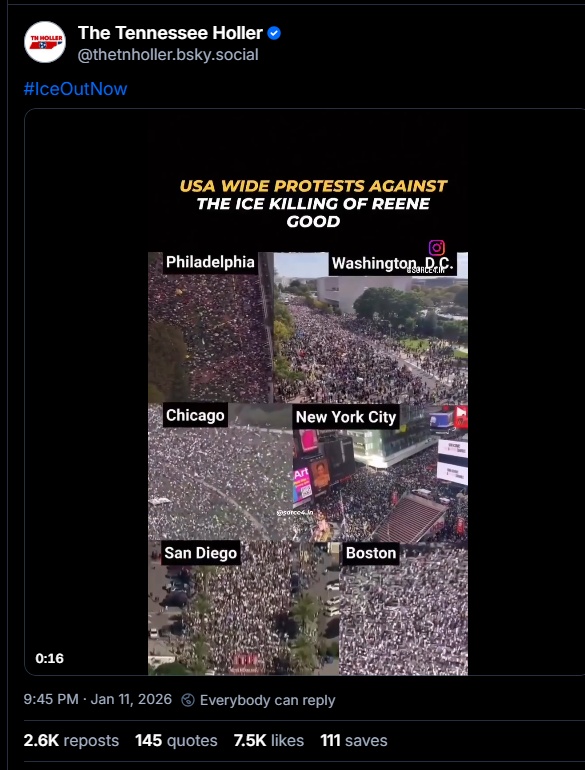
President Trump said this morning that he might use the Insurrection Act to deploy troops to Minneapolis. His comments came a day after a second person in the city was shot by a federal agent, fueling clashes between demonstrators and law enforcement.
U.S. law generally forbids the use of the military as a domestic police force. But the Insurrection Act, which hasn't been used since 1992, allows the president to deploy the military in extraordinary circumstances. A footnote in a recent Supreme Court opinion, may have emboldened Trump to float the idea.
Minnesota's governor, Tim Walz, pleaded with Trump to "turn the temperature down" and "stop this campaign of retribution." He also called for protesters to demonstrate peacefully. "We cannot fan the flames of chaos," Walz said. The White House accused Walz and other local leaders of encouraging violence.
The president escalated his drive to take charge of the Danish territory, targeting Denmark and seven other European countries with a 10 percent rate.
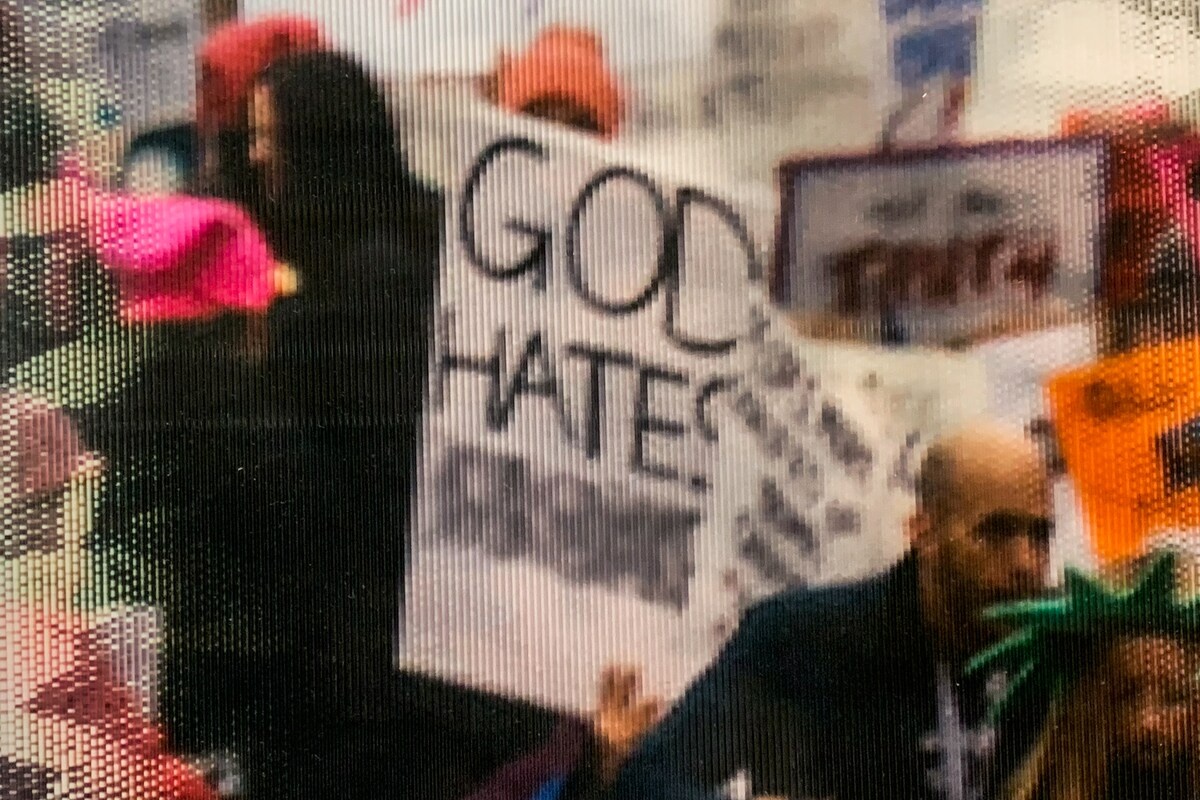
In the original version of the 2017 photograph, taken by Getty Images photographer Mario Tama, the street is packed with marchers carrying a variety of signs, with the Capitol in the background. In the Archives version, at least four of those signs are altered.
A placard that proclaims "God Hates Trump" has "Trump" blotted out so that it reads "God Hates." A sign that reads "Trump & GOP - Hands Off Women" has the word Trump blurred out.

|
|
Signs with messages that referenced women's anatomy - which were prevalent at the march - are also digitally altered. One that reads "If my vagina could shoot bullets, it'd be less REGULATED" has "vagina" blurred out. And another that says "This Pussy Grabs Back" has the word "Pussy" erased.
The Archives said the decision to obscure the words was made as the exhibit was being developed by agency managers and museum staff members. It said David S. Ferriero, the archivist of the United States who was appointed by President Barack Obama in 2009, participated in talks regarding the exhibit and supports the decision to edit the photo.
"As a non-partisan, non-political federal agency, we blurred references to the President's name on some posters, so as not to engage in current political controversy," Archives spokeswoman Miriam Kleiman said in an emailed statement. "Our mission is to safeguard and provide access to the nation's most important federal records, and our exhibits are one way in which we connect the American people to those records. Modifying the image was an attempt on our part to keep the focus on the records."
"There's no reason for the National Archives to ever digitally alter a historic photograph," Rice University historian Douglas Brinkley said. "If they don't want to use a specific image, then don't use it. But to confuse the public is reprehensible. The head of the Archives has to very quickly fix this damage. A lot of history is messy, and there's zero reason why the Archives can't be upfront about a photo from a women's march."
Wendy Kline, a history professor at Purdue University, said it was disturbing that the Archives chose to edit out the words "vagina" and "pussy" from an image of the Women's March, especially when it was part of an exhibit about the suffragist movement. Hundreds of thousands of people took part in the 2017 march in the District, which was widely seen as a protest of Trump's victory.
"Doctoring a commemorative photograph buys right into the notion that it's okay to silence women's voice and actions," Kline said in an email. "It is literally erasing something that was accurately captured on camera. That's an attempt to erase a powerful message."
Karin Wulf, a history professor at the College of William & Mary and executive director of the Omohundro Institute of Early American History and Culture, said that to ensure transparency, the Archives at the very least should have noted prominently that the photo had been altered.
"The Archives has always been self-conscious about its responsibility to educate about source material, and in this case they could have said, or should have said, 'We edited this image in the following way for the following reasons,'" she said. "If you don't have transparency and integrity in government documents, democracy doesn't function."

Graphic source: https://bsky.app/profile/gtconway.bsky.social/post/3mcqm2xpqwc2u |

|

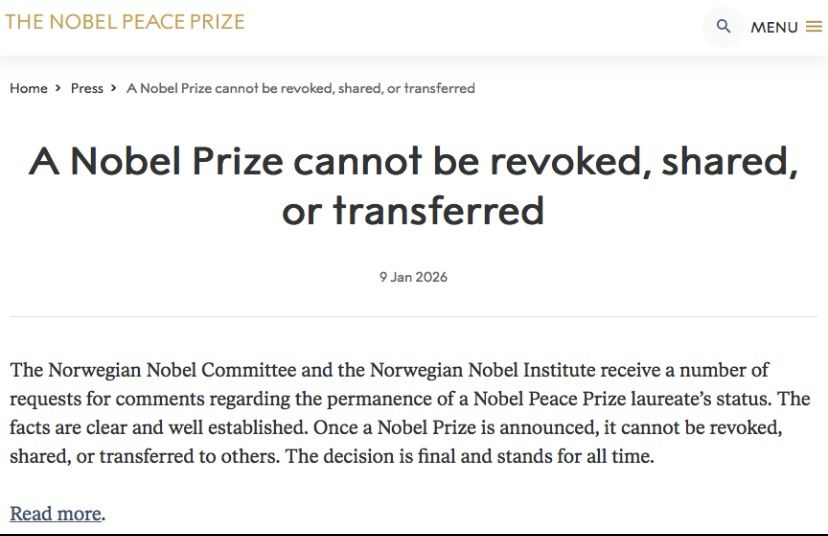
Graphic source: https://x.com/NobelPrize/status/2012826296875667648
For additional information, please refer to: The Norwegian Nobel Committee

|

|

|

|
One of the most important ways the U.S. government protects public health is by regulating pollution so that companies' activities don't harm people's health or the environment. The Environmental Protection Agency (EPA) sets and enforces limits on air, water, and soil pollution under laws like the Clean Air Act.
When the EPA evaluates a new regulation, it typically uses cost-benefit analysis to compare:
Costs- what companies (and sometimes consumers) will have to spend to comply (e.g., upgrading equipment, changing processes).
Benefits - how much better off the public will be if pollution goes down, including fewer illnesses, fewer hospital visits, less lost work time, and lives saved. To do this, economists estimate the value of reduced health risks in dollar terms, including a widely used figure called the value of a statistical life. This is essentially the amount society is willing to pay for reductions in mortality risk and has ranged from $6.8 million under the Bush administration to roughly $9.8 million under Biden.
Last week, the EPA announced a big change. For some major air pollutants, such as fine particles and ozone, cost-benefit analyses will no longer include the dollar value of health benefits. This is a significant shift because health benefits, especially avoided premature deaths, historically accounted for a large share of the quantified benefits in air pollution rules. This tilts the math in favor of corporate interests. Pollution rules now appear far more costly, making it easier for companies to push for weaker protections.
But a new study published Monday by researchers at the Kiel Institute, an independent economic research institute based in Germany, found that American consumers and importers are paying for the tariffs by an overwhelming margin. "Foreign exporters absorb only about 4% of the tariff burden—the remaining 96% is passed through to U.S. buyers," the authors of the research wrote in a study, which analyzed $4 trillion of shipments between January 2024 and November 2025. The study concludes that the $200 billion increase in customs revenue that the U.S. government raised in 2025 was a "tax paid almost entirely by Americans."
In the immediate future, it said consumers are the "ultimate bearers of the burden." "Whether through higher prices on imported goods, higher prices on domestically produced goods that use imported inputs, or reduced availability and variety of products, American households pay for the tariffs," the study found. . According to the Institute on Taxation and Economic Policy (ITEP), in disclosures at the end of 2025, "industry executives have publicly told investors they are protecting profits by passing the costs of tariffs on to consumers." Two lower courts have already found that Trump overstepped his authority by imposing tariffs under the International Emergency Economic Powers Act (IEEPA).
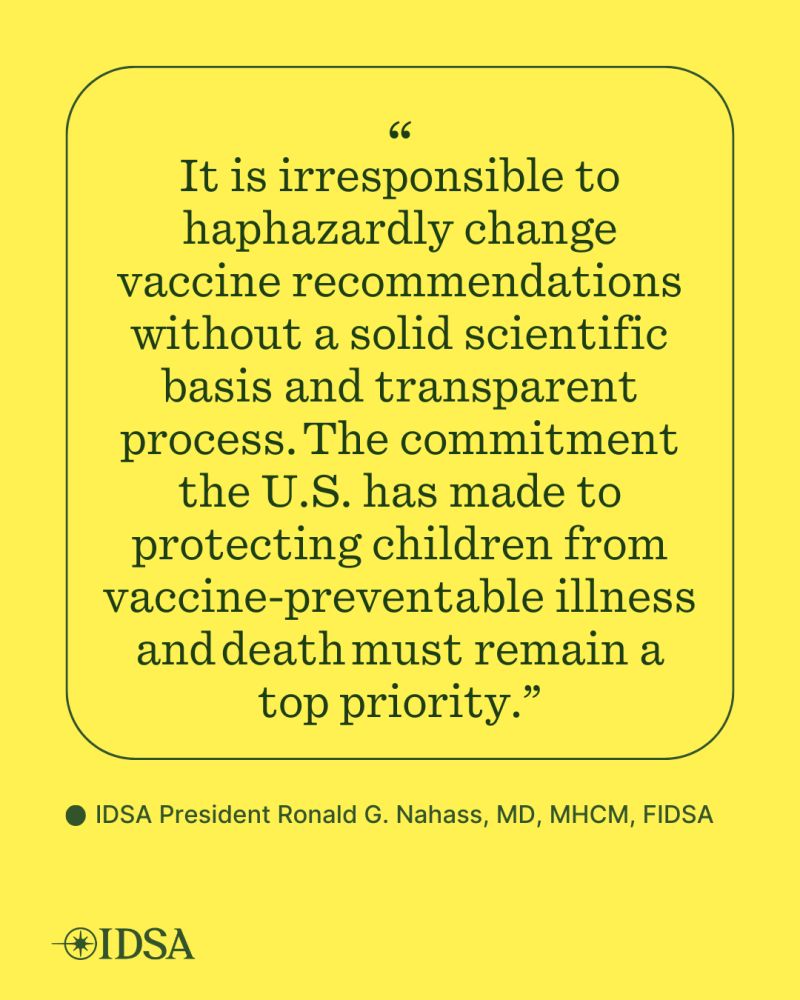
And when the federal government alters a policy that has shaped pediatric care for decades-one that affects the 70 million children in this country-there is an expectation of serious rigor to weigh the risks and benefits. For decades, when it came to vaccine policy in the United States, that was the norm. In truth, the announcement was remarkable for its overwhelming number of absences-of data, of facts, and of evidence.There are very little data presented to help us understand what the implications are.
First and foremost: epidemiologic data. How common are these diseases? Who is hospitalized? Who dies? How do risks differ by age, geography, nationality, insurance and socioeconomic status? If vaccines are no longer recommended, those numbers matter, because they define how children will be differentially exposed. We got next to nothing from HHS.
Second: real-world vaccine effectiveness and impact information. Not only large-scale population study results, but also evidence from decades of use showing how well these vaccines prevent severe disease, reduce hospitalizations, and protect vulnerable populations through indirect effects. Removing a recommendation without addressing whether these benefits still exist is an egregious omission.
Third: real-world safety performance data. Longstanding vaccines are among the most closely monitored medical products in history. A serious review would summarize what post-licensure surveillance shows, where risks exist, and how they compare to the risks posed by the diseases themselves. Again, nothing.
Most critical: an evidence-based decision would include an explicit risk-benefit assessment. Public health decisions are not made by tallying concerns in isolation; they are made by weighing tradeoffs. What happens when protection is reduced? Which children face greater risk? How do disease risks compare to vaccine risks across populations? Another zero.
Closely related is modeling: before changing a national policy, responsible agencies typically project what those changes will do to disease rates, outbreaks, hospitalizations, and deaths under realistic scenarios of declining vaccine uptake. This is standard practice in public health. It allows policymakers-and the public-to see consequences before they unfold in real time.
Equally absent was any assessment of implementation and feasibility: How will these changes affect pediatric visits, series completion, access for low-income families, or disparities across communities? How will clinicians explain the shift to parents already navigating confusion and mistrust?
Finally, there was no meaningful public input: no structured consultation with clinicians, medical societies, or other groups that are typically engaged throughout the process to share their advice about the practical implications of proposed changes. And the voices of parents whose children have succumbed to any one of these diseases in the absence of vaccination were also absent.
Taken together, these conspicuous omissions tell a clear story: This was no exhaustive review of evidence. HHS's assessment instead relies on a handful of papers cherry-picked by authors who are vaccine skeptics, well-worn rhetoric, and gestures toward "trust" and international comparisons while bypassing the actual work of public health analysis and open discussion.
If the federal government wants Americans to understand-and accept-major changes to childhood vaccine policy, it must show its work. Absent that, the message is unmistakable: The work doesn't exist.
So, what exactly were the changes based on? We don't know for sure, but given the anti-vaccine advocacy of the political appointees running our health agencies, we can make a pretty good guess: an unfounded belief that more kids getting sick and developing natural immunity is preferable to the immunity one can receive from vaccines, driven by ideology, not evidence.
This radical, unserious plan, which is unsupported by the preponderance of evidence, leaves families and clinicians on their own to infer the consequences after the fact. The American people deserve better. That is not how policy should be made. And it is certainly not how you protect our children.
President Donald Trump's pledges to provoke a sweeping tariff fight with Europe to get his way in taking control of Greenland has left many of America's closest allies warning of a rupture with Washington that would shatter the NATO alliance that had once seemed unshakable. The European Union's top official on Tuesday called Trump's planned new tariffs over Greenland a "mistake" and questioned Trump's trustworthiness.
In total, federal science agencies lost about 20% of their staff in 2025 relative to the previous year, after modest increases over the past few years.

Congress set to reject Trump science cuts
The US Congress is poised to approve legislation rejecting huge cuts to science sought by the administration of US President Donald Trump. The deal, announced yesterday, would see the budget of the National Institutes of Health (NIH) increase by around 1% this year - instead of the 37% reduction proposed by Trump. The NIH agreement follows separate legislation that would minimize cuts to most of the other main science agencies. Lawmakers have until the end of the month to finalize the NIH deal and other spending legislation to avoid a partial government shutdown, which would be the second closure in less than three months.
HOLY CRAP. An ICE whistleblower just revealed a secret memo authorizing ICE officers to break into homes without a judicial warrant, which DHS's own legal training materials say is unconstitutional! ICE then hid the memo from the public, passing it along by word of mouth and private conversation.

"It's just the cost of doing business with our borders being somewhat porous for global and international travel," Abraham said. "We have these communities that choose to be unvaccinated. That's their personal freedom." Infections from other countries, however, accounted for only about 10% of measles cases detected since Jan. 20, 2025, the official start of the deadly measles outbreak in West Texas, which spread to other states and Mexico. The rest were acquired domestically.
This marks a change since the U.S. eliminated measles in 2000. Measles occasionally popped up in the U.S. from people infected abroad, but the cases rarely sparked outbreaks, because of extremely high rates of vaccination. Two doses of the measles, mumps, and rubella vaccine strongly prevent infection and halt the virus's spread.
To maintain its measles elimination status, the U.S. must prove that the virus has not circulated continuously in the nation for a year, between Jan. 20, 2025, and Jan. 20, 2026. Health officials confirmed that the main measles virus strain in each of these outbreaks is D8-9171. But because this strain also occurs in Canada and Mexico, CDC scientists are now analyzing the entire genomes of measles viruses - about 16,000 genetic letters long - to see whether those in the United States are more closely related to one another than to those in different countries.
The CDC expects to complete its studies within a couple of months and make the data public. Then the Pan American Health Organization, which oversees the Americas in partnership with the World Health Organization, will decide whether the U.S. will lose its measles elimination status. And that would mean that costly, potentially deadly, and preventable measles outbreaks could become common again.
"When you hear somebody like Abraham say 'the cost of doing business,' how can you be more callous," said pediatrician and vaccine specialist Paul Offit, in an online discussion hosted by the health blog Inside Medicine on Jan. 20. "Three people died of measles last year in this country," Offit added. "We eliminated this virus in the year 2000 — eliminated it. Eliminated circulation of the most contagious human infection. That was something to be proud of."
Information on vaccines has been muddied by Health and Human Services Secretary Robert F. Kennedy Jr., who previously founded an anti-vaccine organization. He has undermined vaccines throughout his tenure. On national television, he has repeated scientifically debunked rumors that vaccines may cause autism, brain swelling, and death.
Jennifer Nuzzo, director of the Pandemic Center at Brown University, disparaged the Trump administration's focus on finding genetic technicalities that may spare the country's measles-free status. "This is the wrong thing to pay attention to. Our attention has to be on stopping the outbreaks," she said.
Indeed, at the briefing, Abraham told a reporter from Stat that a reversal in the nation's status would not be significant: "Losing elimination status does not mean that the measles would be widespread." Data shows otherwise. Case counts last year were the highest since 1991, before the government enacted vaccine policies to ensure that all children could be protected with measles immunization.
The Trump administration has particularly upended the way tax law violators are handled. Late last year, the administration essentially dissolved the team dedicated to criminal tax enforcement, dividing responsibility among a number of other offices and divisions. Tax prosecutions fell by more than a quarter, and more than a third of the 80 experienced prosecutors working on criminal tax cases have quit.
In response to a list of detailed questions, the White House referred ProPublica to the Justice Department."I know of no cases like this," said Scott Schumacher, a former tax prosecutor and the director of the graduate program in taxation at the University of Washington. It is nearly unheard of for the department to abandon an indicted criminal case years in the making. "They're basically saying you can buy your way out of a tax evasion prosecution."
"Bitcoin completely undermines the power of every single government on the entire planet to control the money supply, to tax people's income to control them in any way," he told a gathering of anarcho-capitalists in Acapulco, Mexico, in 2016. "It makes it so incredibly easy for people to hide their income or evade taxes." More than one friend, he said with a smirk, had asked him how to do so: They “say, 'Roger, I need your help. How do I use bitcoins to avoid paying taxes on it?'"
In 2024, the Justice Department indicted Ver in one of the largest-ever cryptocurrency tax fraud cases. The government accused Ver of lying to the IRS twice. After Ver renounced his citizenship in 2014, he claimed to the IRS that he personally did not own any bitcoin. He would later admit in his deal with the government to owning at least 130,664 bitcoin worth approximately $73.7 million at the time. Then in 2017, the government alleged, Ver tried to conceal the transfer of roughly $240 million in bitcoin from U.S. companies to his personal accounts. In all, the government said he had evaded nearly $50 million in taxes.
Eventually, Ver's team and Bhirud hit on the deal that would baffle criminal tax experts. They agreed on a deferred prosecution agreement that would allow Ver to avoid criminal charges and prison in exchange for a payout and an agreement not to violate any more laws. The government usually reserves such an agreement for lawbreaking corporations to avoid putting large employers out of business - not for fugitive billionaires.
Under any previous administration, convincing the leadership of the tax division to drop an indicted criminal case and accept a monetary penalty instead would be a nonstarter. While the Justice Department settles most tax matters civilly through fines, when prosecutors do charge criminal fraud, their conviction rate is over 90%. People "always ask you, 'Can't I just pay the taxes and it'll go away?'" said Jack Townsend, a former federal tax prosecutor. "The common answer that everybody gave - until the Trump administration - was that, no, you can't do that."
Inside the Justice Department, the resolution was demoralizing: "He's admitted he owes money, and we get money, but everything else about it stinks to high heaven," said a current DOJ official familiar with the case. "We shouldn't negotiate with people who are fugitives, as if they have power over us."

|
|
Jack Smith defended his decision to prosecute Trump. New York Times, January 22, 2026. Jack Smith, the special prosecutor who indicted Trump twice in 2023 but never got a trial, appeared at a tense congressional hearing today and forcefully defended his investigation. He declared that Trump "engaged in criminal activity" and caused the Jan. 6 attack on the Capitol. "No one should be above the law in this country, and the law required that he be held to account," Smith said. "So that is what I did."
Republicans used the hearing to accuse Smith of participating in a conspiracy to destroy Trump and undermining the democratic process. The president insulted Smith this afternoon on social media, calling him "a deranged animal."
NOTICE OF CORRECTIONS TO THE RECORD 1/16/2026
After months of denials, the Trump administration has admitted that staffers affiliated with the Department of Government Efficiency (DOGE) misused Social Security Administration (SSA) data. In an extraordinary court filing, "NOTICE OF CORRECTIONS TO THE RECORD," government lawyers representing the SSA revealed that in March 2025, a DOGE staffer signed an agreement to share the private data of Americans with a "political advocacy group" seeking to "overturn election results in certain States."
Nearly a year into Kennedy's tenure as health secretary, misinformation from the federal government about the cause and treatment of autism is starting to pile up.
At the end of 2025, the FDA quietly took down a page that talked about the harms of administering a controversial therapy for autism. Proponents of chelation therapy - including Kennedy's right-hand man on autism David Geier, who's long clung to debunked assertions about autism - say it can help remove heavy metals from a person's blood and "cure" autism, despite little evidence and serious side effects. A five-year-old boy died after receiving chelation therapy in 2005. Officials said the article was "retired" along with other articles.
Meanwhile, two researchers in the New England Journal of Medicine discussed the dangers of expanding the use of leucovorin without proper protocols in a new article published Wednesday. Top health officials touted the cancer medication as a potential treatment for autism in September, despite limited evidence showing its efficacy. The researchers worry that leucovorin will be prescribed off-label at high doses that can persist for long times in the blood. Scientists don't know how this will affect a person's body. If the FDA wants to expand leucovorin's use, it needs more large-scale studies studying the long-term effects, they say.
That has not stopped Health and Human Services (HHS) Secretary Robert F. Kennedy, Jr. from continuing his quest to cause as many measles outbreaks as possible. He is a seasoned measles epidemic promoter. He is an avowed enemy of the MMR, falsely claiming that it causes autism (it doesn't) contains aborted fetal debris (it doesn't), and that alternative treatments such as vitamin A and cod liver oil work (they can cause liver toxicity and don't treat measles). He only halfheartedly recommended the MMR last April, but only after public condemnation for not bringing it up. He altered the CDC website to suggest unproven treatments. He later altered the CDC website to imply that the MMR vaccine causes autism. He continues to dismiss the severity of the measles outbreaks, despite them killing three people and putting hundreds in the hospital.
Ralph Abraham is the Principal Deputy Director of the Centers for Disease Control and Prevention (CDC). He purports to be just a simple country doctor from the backwoods of Louisiana. He is also a former Republican Congressman who was elevated from his prior position as state Surgeon General to second-in-command at CDC, distinguished by his expertise in vehement opposition to vaccines, enthusiasm for over-the-counter ivermectin, and shameless MAHA bootlicking.
Abraham's claim that this is just another line on a business balance sheet is even more insidious because of the implication that porous borders are the cause for the measles outbreaks. According to MAHA, there would be no measles if not for throngs of diseased immigrants bringing it in.
1. CDC is too depleted to manage data in a timely enough manner to assess outbreak trajectory. The agency is no longer functional. The employees who remain are effectively hostages to the edicts of the political appointees who are transforming CDC into a propaganda machine rather than a public health agency. Essential staff, resources, and funding have evaporated and CDC simply doesn't have the capacity to carry out the work: to get samples from affected states, coordinate with state and local authorities, run the sequencing, manage and process the data, and analyze it in a timely manner.
2. This is a political decision to conceal the evidence that America has lost elimination status. A lot of people wonder why Kennedy would care about measles elimination status, when he is so proudly pro-measles. Kennedy's success in devastating the vaccination schedule comes from his ability to both use health disinformation to mobilize and direct the MAHA base and to conceal the consequences of his actions. If all the measles outbreaks are due to infected immigrants rather than unvaccinated Americans, then all those sick and dead kids have nothing to do with Kennedy's actions as HHS Secretary or his future policy plans. So he obstructs access to the genomic data that would prove continuous transmission has occurred. Bonus points for xenophobia.
The City of Philadelphia is suing the Trump administration after the National Park Service removed a long-standing exhibit on slavery in the city's Independence National Historical Park. The lawsuit, filed in federal court Thursday against the US Interior Department, Secretary Doug Burgum, the park service and its acting director Jessica Bowron, asks for a judge to issue a preliminary injunction to return the displays. The exhibit, located at the President's House Site where Presidents George Washington and John Adams lived, features displays honoring individuals enslaved by Washington and a historical timeline of American slavery.
"The interpretive displays relating to enslaved persons at President's House are an integral part of the exhibit and removing them would be a material alteration to the exhibit," attorneys for the city said in the filing. The exhibit's removal comes as the Trump administration continues its campaign to purge cultural institutions of materials that conflict with the president's political directives.
In an executive order signed last March, President Donald Trump accused the Biden administration of advancing "corrosive ideology," specifically citing Independence Park, and called upon the Interior secretary to remove content within the department's jurisdiction that "inappropriately disparage Americans past or living."
"Americans have witnessed a concerted and widespread effort to rewrite our Nation's history, replacing objective facts with a distorted narrative driven by ideology rather than truth," the order states. "This revisionist movement seeks to undermine the remarkable achievements of the United States by casting its founding principles and historical milestones in a negative light."
In the lawsuit, attorneys for the city wrote, "Without notice to the City of Philadelphia, the National Park Service has removed artwork and informational displays at the President's House site referencing slavery, presumably pursuant to the mandate in the Executive Order.""Defendants have provided no explanation at all for their removal of the historical, educational displays at the President’s House site, let alone a reasoned one," the attorneys said.
City Council President Kenyatta Johnson slammed the removal, calling it "totally unacceptable." "Removing the exhibits is an effort to whitewash American history. History cannot be erased simply because it is uncomfortable," he said in a statement.Michael Coard, founding member of the advocacy group "Avenging the Ancestors Coalition" that helped installed the exhibit in 2010, in a social media post called the removal "outrageous and blatantly racist."
The Trump administration has imposed the president's views on other US cultural and historical institutions, purging materials focused on diversity. Last year, the American Battle Monuments Commission, a small, little-known federal agency, took down a cemetery display in the Netherlands that commemorated the contributions of African American WWII soldiers and highlighted the discrimination they faced.
Trump also escalated his attacks against Smithsonian museums last August, after the White House ordered a review of Smithsonian museums and exhibits to ensure alignment with the president's directives on what should and shouldn't be displayed. Trump said in a Truth Social post at the time, "The Smithsonian is OUT OF CONTROL, where everything discussed is how horrible our Country is, how bad Slavery was, and how unaccomplished the downtrodden have been - Nothing about Success, nothing about Brightness, nothing about the Future."

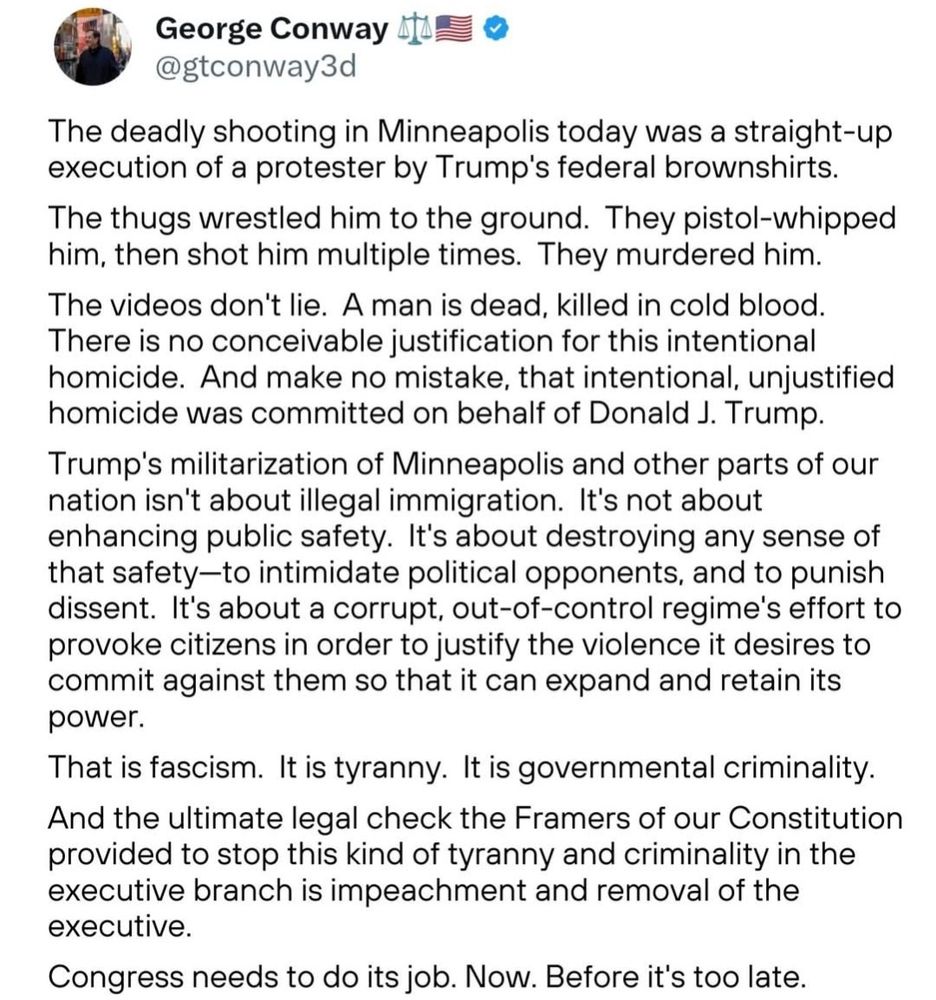
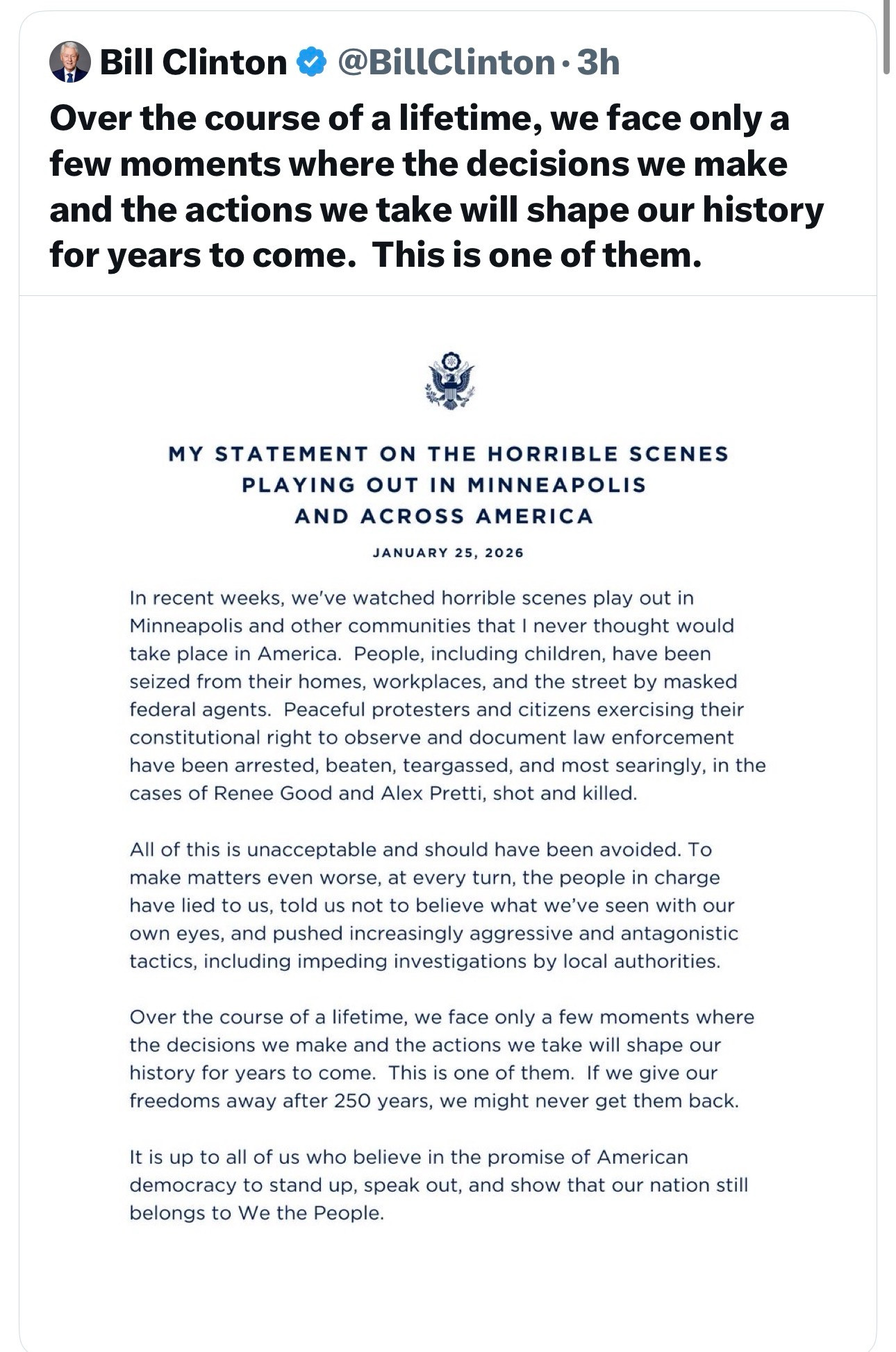
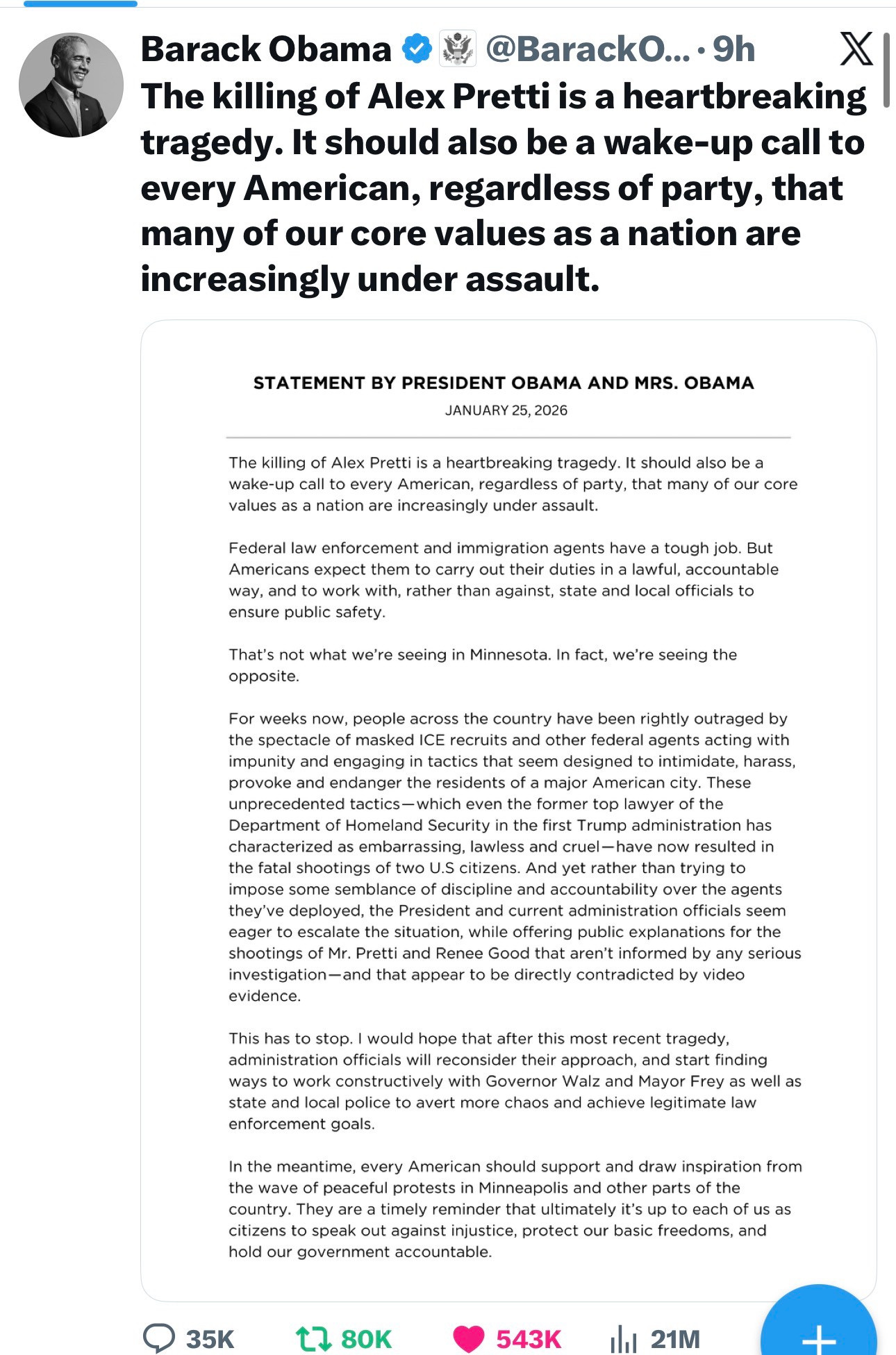
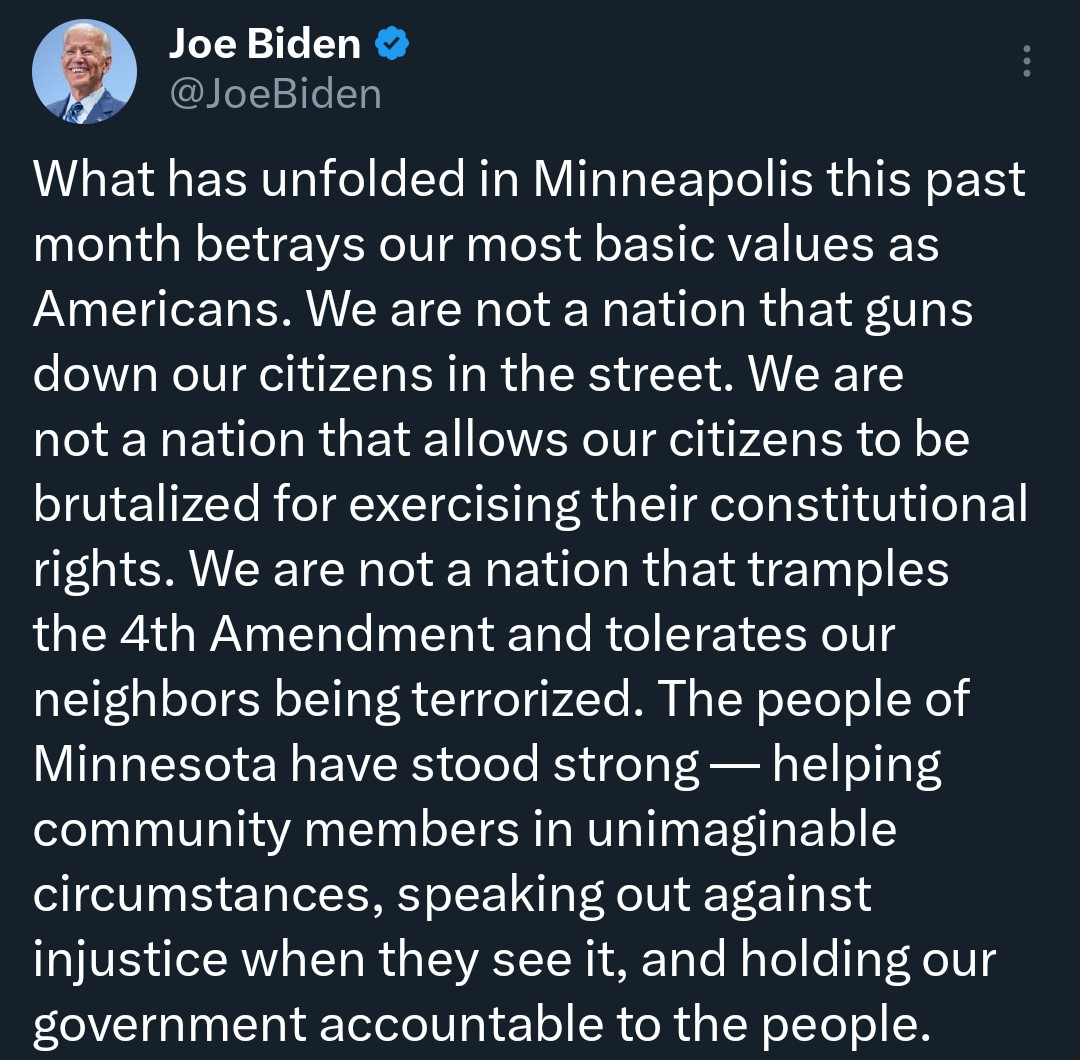
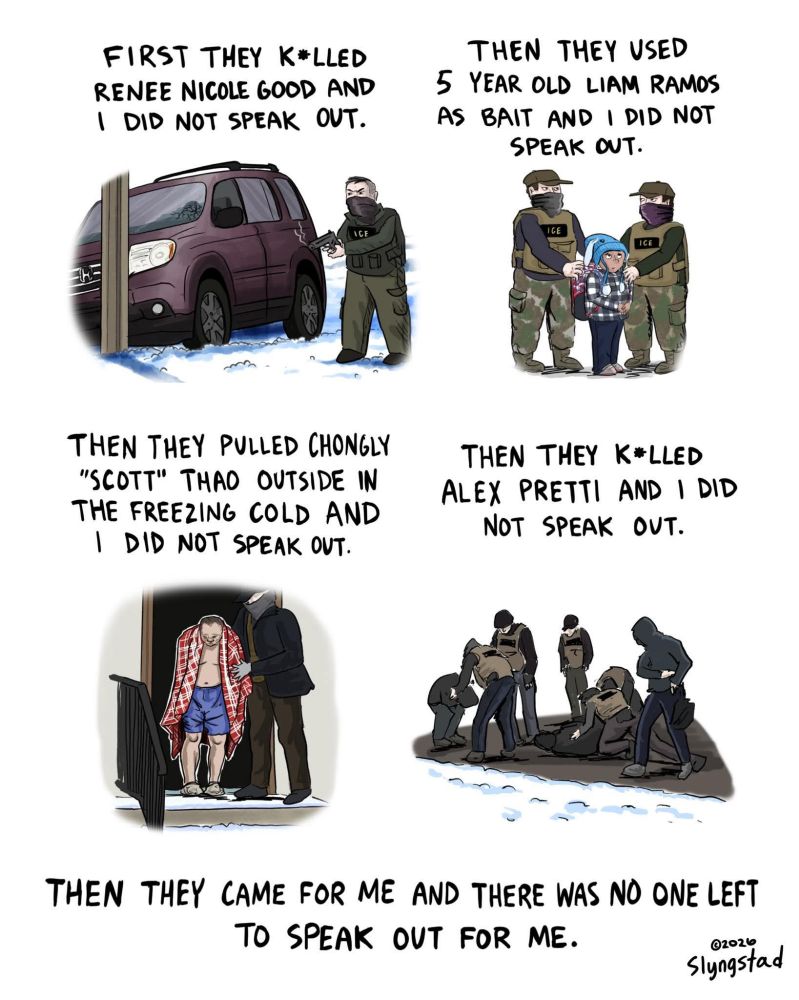
A federal judge in Minnesota has blocked the Trump administration from "destroying or altering evidence" related to the fatal Border Patrol shooting of Alex Pretti.
The ruling comes after Minnesota state officials filed a lawsuit against officials with the Department of Homeland Security and other agencies, alleging that evidence was taken from the scene of the shooting.
|

|

|
|
|
|
|

|
|
|
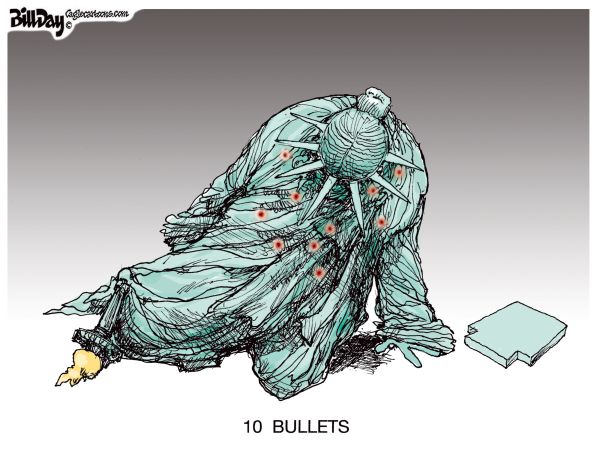
New York's Governor Hochul's Statement about the murder o Alex Pretti, RN
New York's Governor Hochul's Statement about the murder of Alex Pretti, RN
Whether the killing will be the subject of a thorough investigation remains an open question. Multiple Trump administration officials have already defended the actions of the Border Patrol agent who opened fire, in some cases making claims that run counter to videos of the confrontation.
Tom Nolan, a former Boston police commander and criminology professor who once advised DHS on civil rights issues, said Saturday's shooting was part of a larger pattern in which Immigration and Customs Enforcement and Customs and Border Protection officers, who historically have focused on targeted enforcement of immigration violations, appear to be ill-equipped to properly handle demonstrators. The failing is evident, he said, in officers' smashing car windows, shoving people to the ground and deploying chemical sprays in people's faces.
"It's clear that these people who we're seeing, these federal government officers in Minneapolis, are obviously overwhelmed and poorly trained and inexperienced," Nolan said. "So when you see them on the street engaging with people, that's a security concern right there, because they don’t know what they're doing," he said.
Jason Houser, a former DHS counterterrorism official and ICE chief of staff under President Joe Biden, said Saturday's shooting was the latest example of federal immigration agents who are thrust into encounters with protesters handling them in ways that reveal a lack of centralized command, coordination with local law enforcement and preparation for such situations."What I clearly see is Border Patrol agents put in harm's way when they have minimal training to the circumstances they're being pushed into," Houser said.
The deadly confrontation began after Pretti, who had been recording officers in the street, stepped in between one of them and a person who had been pushed to the ground. Tod Burke, a criminologist and former police officer, said that despite all the video, there is still a lot that remains unknown, including what the officers and Pretti said - and what the officers knew before the shots started.
"Once that one gun was removed, I can't understand what any other threat was, but I don't know what was going on in that scrum for them to feel that shooting was the way to resolve the situation," Burke said.
Mickie McComb, a former New Jersey state trooper who now works as an expert witness on use-of-force cases, said he believed the videos show that the officers had no reason to open fire. "If you disarm him and he's not reaching for a weapon, you can't use deadly force," McComb said.
Nolan, the former Boston police commander, put it even more bluntly. "Under no circumstances was this a justified shooting," he said. "It was a stone-cold murder. It's a bad shoot."
Pretti, who worked in the intensive care unit at the Veterans Affairs hospital in Minneapolis, had a permit to carry a gun, local officials said. Policing experts said that when officers are trying to arrest people found to have firearms, they are taught to alert their fellow officers and then draw their own guns and order the people to drop theirs or to try to disarm them.
While arguing that he was not anti-vaccine, he said he was merely focused on safety and made false claims about vaccine risks, a common trope among anti-vaccine activists. He falsely linked vaccines to allergies, asthma, and eczema and repeated a claim, without evidence, that COVID-19 vaccines killed children. When pressed by the podcast hosts, he revealed that he put the risk of vaccine side effects on the same footing as the risks from the diseases the shots prevent-despite the fact that disease risks are often orders of magnitude larger than the tiny risks from vaccines.
In response to pushback from the hosts, Milhoan objected to the idea that the measles and polio vaccines reduced the spread of those diseases. He went further, questioning the need for those vaccines as well as routine vaccinations, generally.
"I think also as you look at polio, we need to not be afraid to consider that we are in a different time now than we were then," he said, referring to the time before the first polio vaccines were developed in the 1950s. "Our sanitation is different. Our risk of disease is different. And so those all play into the evaluation of whether this is worthwhile of taking a risk for a vaccine or not." He then pondered out loud what would happen if people stopped getting vaccinated. "If we take away all of the herd immunity, then does that switch, does that teeter-totter switch in a different direction?" he asked.
In a statement, AMA Trustee Sandra Adamson Fryhofer blasted the question. "This is not a theoretical debate-it is a dangerous step backward," she said. "Vaccines have saved millions of lives and virtually eliminated devastating diseases like polio in the United States. There is no cure for polio. When vaccination rates fall, paralysis, lifelong disability, and death return. The science on this is settled."
Fryhofer also took aim at Milhoan's repeated argument that the focus of vaccination policy should move from population-level health to individual autonomy. Moving away from routine immunizations, which include discussions between clinicians and patients, "does not increase freedom-it increases suffering," she said, adding that the weakening of recommendations "will cost lives."
Overall, Milhoan's comments only further erode the relevance of ACIP and federal vaccine policy among the medical community and states. According to a KFF policy brief, 27 states and Washington, DC, have already announced they will not follow current CDC vaccine recommendations, which Kennedy dramatically overhauled earlier this month without even consulting the ACIP. Instead, the majority of states are relying on previous recommendations or recommendations made within states or by medical organizations.
On Monday, the American Academy of Pediatrics announced the 2026 update to its childhood and adolescent vaccine schedule, which it has held up as an alternative to the CDC's schedule and has been widely embraced by pediatricians. In the announcement, AAP noted that 12 other medical organizations have endorsed the schedule, including the AMA, the American Academy of Family Physicians, the American College of Obstetricians and Gynecologists, the Infectious Diseases Society of America, and the Pediatric Infectious Diseases Society.
Key Takeaways
Among 82 CDC databases updated at least monthly as of early 2025, 46% had unexplained pauses by late October 2025.
While none of the 44 databases that continued to be updated through late October reported vaccination information, 87% of the paused databases did.
The Trump administration's "anti-vaccine stance has interrupted the reliable flow of the data we need to keep Americans safe," said the former head of the National Institute of Allergy and Infectious Diseases.

A newly published audit highlights a concerning trend: nearly half of the CDC's routinely updated public health surveillance databases paused updates in 2025, many for six months or longer. Many of these paused databases tracked important data on #vaccinations, respiratory diseases, and drug #overdose death.
These gaps can weaken clinical guidance, limit policymakers' ability to respond to emerging threats, and erode public trust. The authors call for greater transparency, including clear status updates, explanations for delays, and timelines for resuming data publication.
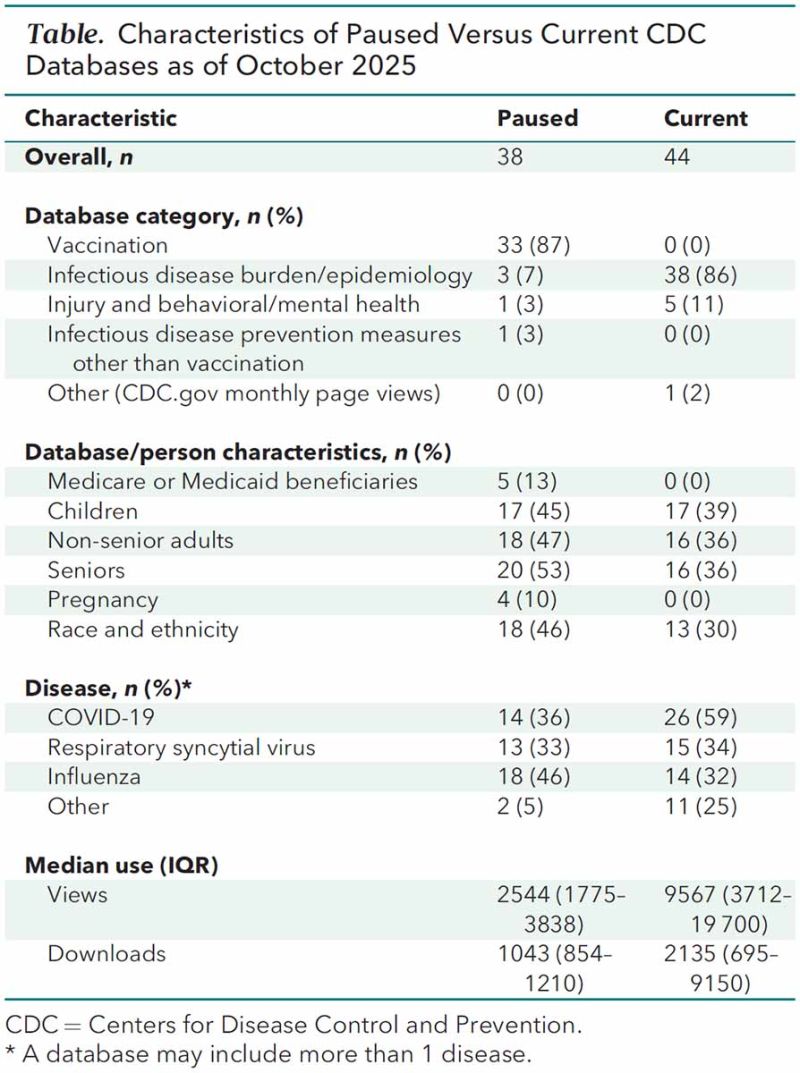
Federal officials in May 2023 declared an end to the national covid pandemic. But more than two years later, a growing body of research continues to reveal information about the virus and its ability to cause harm long after initial infections resolve, even in some cases when symptoms were mild.
While some studies show covid vaccines offer protective benefits against longer-term health effects, the Department of Health and Human Services has drastically limited recommendations about who should get the shot. The administration also halted Biden-era contracts aimed at developing more protective covid vaccines.
The federal government is curtailing such efforts just as researchers call for more funding and, in some cases, long-term monitoring of people previously infected. "People forget, but the legacy of covid is going to be long, and we are going to be learning about the chronic effects of the virus for some time to come," said Michael Osterholm, an epidemiologist who directs the University of Minnesota's Center for Infectious Disease Research and Policy.
Although covid has become less deadly, because of population immunization and mutations making the virus less severe, researchers say the politicization around the infection is obscuring what science is increasingly confirming: covid's potential to cause unexpected, possibly chronic health issues. That in turn, these scientists say, drives the need for more, rather than less, research, because over the long term, covid could have significant economic and societal implications, such as higher health care costs and more demands on social programs and caregivers.
The annual average burden of the disease's long-term health effects is estimated at $1 trillion globally and $9,000 per patient in the U.S., according to a report published in November in the journal NPJ Primary Care Respiratory Medicine. In this country, the annual lost earnings are estimated to be about $170 billion.
Much has been learned about covid since the virus emerged in 2019, unleashing a pandemic that the World Health Organization reports has killed more than 7 million people. By the spring of 2020, the term "long covid" had been coined to describe chronic health problems that can persist post-infection. More recent studies show that infection by the virus that causes covid, SARS-CoV-2, can result in heightened health risks months to more than a year later.
Researchers following children born to mothers who contracted the virus while pregnant have discovered they may have an increased risk for autism, delayed speech and motor development, or other neurodevelopmental challenges. "There are other body symptoms apart from the developing fetal brain that also may be impacted," said Andrea Edlow, an associate professor of obstetrics, gynecology, and reproductive biology at Harvard Medical School who was involved in both studies. "We definitely need more research."
A U.K. study in the New England Journal of Medicine found people who fully recovered from mild covid infections experienced a cognitive deficit equal to a three-point drop in IQ. Among the more than 100,000 participants, deficits were greater in people who had persistent symptoms and reached the equivalent of a nine-point IQ drop for individuals admitted to intensive care.
Ziyad Al-Aly, a clinical epidemiologist who has studied longer-term health effects from covid, did the math. He estimated covid may have increased the number of adults in the U.S. with an IQ of less than 70 from 4.7 million to 7.5 million — a jump of 2.8 million adults dealing with "a level of cognitive impairment that requires significant societal support," he wrote."People get covid-19, some people do fine and bounce back, but there are people who start experiencing problems with memory, cognition, and fuzzy brain," he said. "Even people with mild symptoms. They might not even be aware."
Data from more than a dozen studies suggests covid vaccines can help reduce risk of severe infection as well as longer-lasting health effects, although researchers say more study is needed. But vaccination rates remain low in the U.S., with only about 17% of the adult population reporting that they got the updated 2025-2026 shot as of Jan. 16, based on CDC data.
Trump administration officials led by Health and Human Services Secretary Robert F. Kennedy Jr. have reduced access to covid vaccines despite the lack of any new, substantiated evidence of harm. Though the shots were a hallmark achievement of the first Trump administration, which led the effort for their development, Kennedy has said without evidence that they are "the deadliest vaccine ever made."
In May he said on X that the CDC would stop recommending covid shots for healthy children and pregnant women, citing a lack of clinical data. The Food and Drug Administration has since issued new guidelines limiting the vaccine to people 65 or older and individuals 6 months or older with at least one risk factor, though many states continue to make them more widely available. And numerous studies, including new research in 2025, show covid vaccine benefits include a reduction in the severity of disease, although the protective effects wane over time.
The growing awareness that, even in mild covid cases, the possibility exists for longer-term, often undetected organ damage also warrants more examination, researchers say. A study published this month in eBioMedicine found people with neurocognitive issues such as changes in smell or headaches after infection had significant levels of a protein linked to Alzheimer's in their blood plasma. EBioMedicine is a peer-reviewed, open-access journal published by The Lancet.
In the brain, the virus leads to an immune response that triggers inflammation, can damage brain cells, and can even shrink brain volume, according to research on imaging studies that was published in March 2022 in the journal Nature. An Australian study of advanced brain images found significant alterations even among people who had already recovered from mild infections — a possible explanation for cognitive deficits that may persist for years. Lead study author Kiran Thapaliya said the research suggests the virus "may leave a silent, lasting effect on brain health."
A University of Southern California study published in October 2024 in the journal Arteriosclerosis, Thrombosis, and Vascular Biology found the risk for a major cardiac event remains elevated nearly three years after covid infection. The findings held even for people who were not hospitalized.
Covid can also reactivate cancer cells and trigger a relapse, according to research published in July in the journal Nature. Researchers found that the chance of dying from cancer among cancer survivors was higher among people who'd had covid, especially in the year after being infected. There was nearly a twofold increase in cancer mortality in those who tested positive compared with those who tested negative.
The potential of the covid virus to affect future generations is yielding new findings as well. Australian researchers looked at male mice and found that those who had been infected with and then recovered from covid experienced changes to their sperm that altered their offspring's behavior, causing them to exhibit more anxiety.
President Donald Trump's hardline immigration agenda, a key force behind his return to the White House in 2024, is increasingly showing signs of becoming a liability, threatening Republican prospects in the November midterm elections. Some state lawmakers are pushing to allow lawsuits against ICE agents.
Trump's top immigration officials have repeatedly made statements after violent encounters involving federal agents - including two fatal shootings of US citizens in Minneapolis this month - that were later contradicted by evidence, a Reuters review found.
The backlash has been swift to news that US ICE agents will help protect American delegations at next month's Winter Olympics in Italy. Crispian Balmer tells the Reuters World News podcast that there is precedent for such deployments.
The latest: The two federal agents involved in the fatal shooting of Alex Pretti were placed on leave today.
More: The decision is standard protocol for the agency. The White House has backed away from its initially strong defense of the agents.
What to know: Immigration and Customs Enforcement agents were sent to assist with security at the Winter Olympics.
Controversy: While the United States routinely helps with Olympic security, ICE's recent missions have led Italians to criticize the agency's presence at the Games.

The U.S. withdrawal from the World Health Organization took effect this month, with WHO Director-General Tedros Adhanom Ghebreyesus warning that the decision "makes the U.S. unsafe" and "makes the rest of the world unsafe" by cutting access to disease surveillance and emergency response systems. The withdrawal is part of broader U.S. disengagement from international health efforts, including the recent announcement that the U.S. is withdrawing from 31 U.N. entities such as the U.N. Population Fund, the lead U.N. agency focused on global population and reproductive health. Public opinion data suggests the decision lands amid declining and polarized public confidence in the WHO itself. According to an April 2024 poll from Pew Research, about six in ten U.S. adults believed the U.S. benefitted from its membership in the WHO, fewer than the share who said the same in 2021, including an 8 percentage point decrease in the share who say the U.S. benefitted a "great deal." These concerns reflect institutional and diplomatic trust and intersect with broader trust challenges in health. The withdrawal occurs as the U.S. public's trust in federal health agencies has continued to erode. As global health partnerships change, health communicators may benefit from tracking changes in trust in health agencies to better understand where audiences turn to for health information.

The federal government's response to the killing of Alex Pretti has come in two phases. First there were the justifications. Then came the recriminations.
Yesterday, the Department of Homeland Security said the two agents involved in the shooting had been placed on leave. Stephen Miller, one of Trump's top aides, said they "may not have been following" protocol before they shot Pretti, who was on the ground, restrained and disarmed.
In the White House
Trump, my colleagues who cover the White House reported, came to realize over the weekend that he had a big problem on his hands. His usual strategy of blustering his way through a crisis - or creating diversions - could not overcome the optics of a second American dead at the hands of federal agents during the same operation.
The government had said Pretti attacked the federal agents, that he was an "assassin," a "terrorist." But videos directly contradict this idea, and Trump could see it plain. "Nobody understands TV better than him," Senator Lindsey Graham of South Carolina told The Times. The videos led to a change in Trump's approach.

|
Video source: https://bsky.app/profile/bettycjung.bsky.social/post/3mdlu5uwoj22z |

Graphic source: https://bsky.app/profile/mackaycartoons.bsky.social/post/3mdkrwwelcc24
The documents were disclosed under the Epstein Files Transparency Act, the law enacted after months of public and political pressure that requires the government to open its files on the late financier and his confidant and onetime girlfriend, Ghislaine Maxwell. Lawmakers complained when the Justice Department made only a limited release last month, but officials said more time was needed to review additional documents that were discovered and to ensure no sensitive information about victims was released.
Criminal investigations into the financier have long animated online sleuths, conspiracy theorists and others who have suspected government cover-ups and clamored for a full accounting, demands that Blanche acknowledged might not be satisfied by the latest release.
Thousands of protesters took to the streets in Minneapolis and students across the United States staged walkouts to demand the withdrawal of federal immigration agents from Minnesota following the fatal shootings of two U.S. citizens. The US government has shut down again as lawmakers debate immigration enforcement tactics.
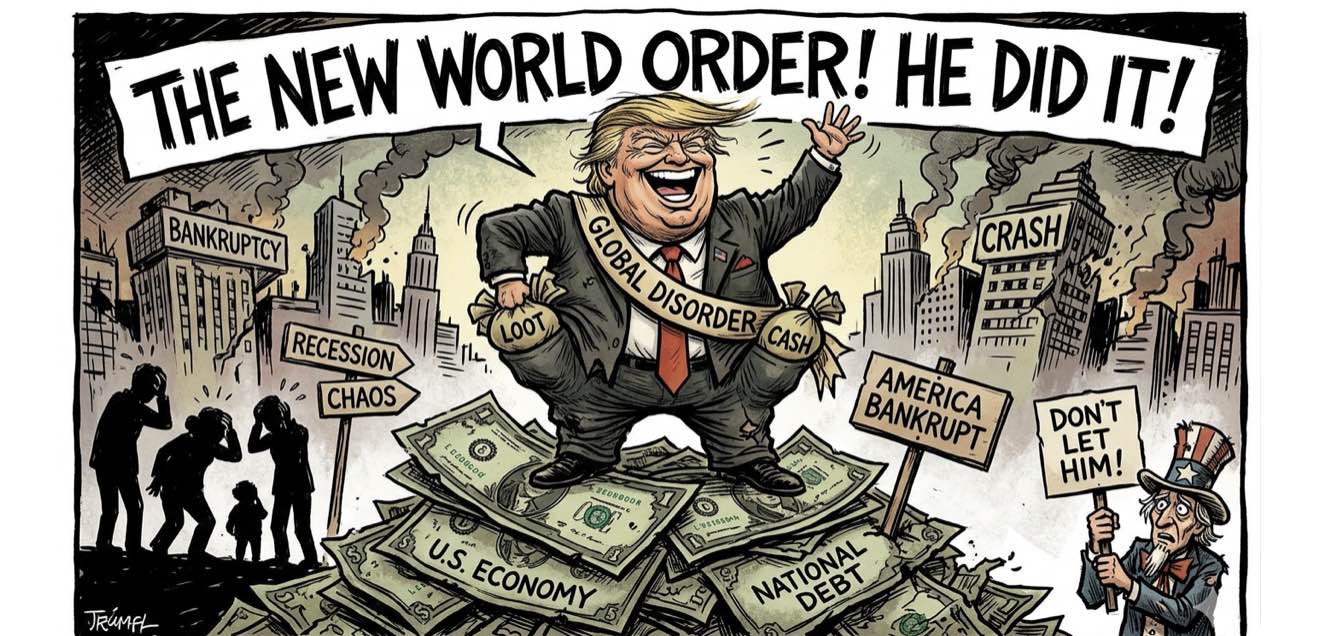
Another attorney, Spencer Kuvin, cited victim's testimony that Epstein provided girls to other famous and notable people - "usually" done so as favors with the hope that he would get something in return from these people. "The recent documents only confirm what the victims have been saying all along," Kuvin said. Separately, a group of 20 Epstein survivors said the document dump served to shield powerful figures but exposed those who had been harmed. The files, they said, were being sold as transparency - but what they actually did was expose survivors.
"As survivors, we should never be the ones named, scrutinized, and re-traumatized while Epstein's enablers continue to benefit from secrecy," the statement said. "Once again, survivors are having their names and identifying information exposed, while the men who abused us remain hidden and protected. That is outrageous."
On Saturday, Bronx US House Democrat Alexandria Ocasio-Cortez posted on Twitter/X, "Even with everything in this Epstein drop, remember: this is a minority of the files. This is STILL just what they were *willing* to release - in violation of the law, which requires release of all files."Pam Bondi's [justice] department is still hiding most of them. We need them all."
The Justice Department looked into sexual misconduct allegations against President Trump in connection with the sex offender Jeffrey Epstein but did not find credible information to merit further investigation, Todd Blanche, the deputy attorney general, said on Sunday. Mr. Blanche's comments, which he made on CNN's "State of the Union," came less than 48 hours after the Trump administration released about three million pages of documents collected by the Justice Department as part of its yearslong investigation into Mr. Epstein, who died in 2019.
The controversy over Mr. Epstein has dogged Mr. Trump for the past year. After Mr. Trump's allies vowed on the 2024 campaign trail to release the Epstein files, his administration rapidly backtracked. Mr. Trump's resistance to releasing the government's files fueled speculation that they contained damaging information about him or his allies.
The files are peppered with references to Mr. Trump, who had been a close friend of Mr. Epstein's until the early 2000s. While Mr. Trump has repeatedly downplayed the relationship, the two men bonded over their pursuit of young women. Mr. Trump has denied any wrongdoing in connection to Mr. Epstein.
Using a proprietary search tool, The New York Times identified more than 5,300 files containing more than 38,000 references to Mr. Trump, his wife, his Mar-a-Lago club in Florida, and other related words and phrases in the latest batch of emails, government files, videos and other records released by the Justice Department. Previous installments of the Epstein files, which the department released late last year, included another 130 files with Trump-related references. Many of the documents released on Friday that mention Mr. Trump are news articles and other publicly available materials that had landed in Mr. Epstein's email inbox. None of those files include any direct communication between Mr. Trump and Mr. Epstein. (Few of the files date back as far as the early 2000s, when the two men were friends.)
What happened: Ed Martin will no longer chair the Justice Department's Weaponization Working Group, which is reviewing "prosecutorial abuse", including Jack Smith's prosecutions of Trump.
More: Martin, a longtime antiabortion and 2020 election "Stop the Steal" activist, will continue to work as the pardon attorney.
Some newly released documents contain allegations that Epstein provided victims to other men. Documents released in prior disclosures, as well as court documents, also point to others' possible criminal involvement with Epstein and his accomplice, Ghislaine Maxwell.
"The recent documents only confirm what the victims have been saying all along," he also said. "The absence of a formal 'client list' is not the same thing as proof that no third parties participated."
Yesterday: Trump said Republican lawmakers should take authority over elections from states, during an interview with right-wing podcaster and former FBI deputy director Dan Bongino.
Context: The Constitution dictates that states determine the "Times, Places and Manner" of holding elections and that Congress can set election rules.
While neither Hegseth nor anyone under the umbrella of the Defense Department entirely deleted Powell's name from the page, sometime between late February and early March 2025, one or more people with access to edit the page removed a partial amount of biographical information pertaining to Powell's race, as well as one mention of his name from the biography of another noteworthy service member. Someone later restored those pieces of information in mid-to-late March.
An archived version of the Arlington National Cemetery website's "prominent military figures" page from late February 2025 displayed Powell's biography beginning with the sentence, "General Colin Powell, a Vietnam veteran, was the first African American to hold three of the U.S. government's highest positions: national security adviser (1987-1989), chairman of the Joint Chiefs of Staff (1989-1993), and secretary of state (2001-2005)."
By early March, another archived version of the page confirmed the removal of the fact that Powell was the first African American to hold the three positions. Sometime between March 17 and 21, one or more people restored the sentence to the page.
Between February and March, one or more people also removed, then later restored, a mention of Powell's name in the biography for Brig. Gen. Roscoe Conklin "Rock" Cartwright. The late-February version featured a sentence entirely removed from the page, reading, "Cartwright founded a social group that provided mentoring and leadership training to African American officers; prominent members included Generals Colin Powell (Section 60) and Roscoe Robinson Jr. (Section 7A)."
'Anti-Asian stereotypes' and an apparent oversight. Other temporary removals from the "prominent military figures" page included 17 mentions of "African American" and around a dozen for "black." Many of the mentions of "African American" and "black" described milestones, such as Brig. Gen. Hazel W. Johnson-Brown, originally documented on the page as "the first African American woman general in the U.S. Army."
The biography for Maj. Kurt Chew-Een Lee originally began by describing him as "the first Asian American officer in the Marine Corps." As of March 21, that fact, as well as the words "Asian American," no longer appeared on the page. The most recent version of his biography also removed the following sentence featured in previous years: "Kurt Chew-Een Lee's record of service not only honored his country, but also demolished anti-Asian stereotypes: 'I wanted to dispel the notion about the Chinese being meek, bland and obsequious,' he told the Los Angeles Times in 2010." Those facts about Lee, as well as the quote, reappeared on the website at some point between March 24 and March 29, according to versions of the page archived through the Wayback Machine.
In an apparent oversight in the removal process of race-related content, as of March 17, the page still displayed Lt. Col. Alexander T. Augusta of the U.S. Army as "the highest-ranking African American officer of the Civil War," as well as "the Army's first black physician, the United States' first black hospital administrator (Freedman's Hospital, Washington, D.C.) and its first black professor of medicine (Howard University)." Sometime between March 17 and 21, some mentions of "Black" and "African American" reappeared on the website, according to archived page captures.
After we asked Meeker about the removals from Lee's biography about demolishing anti-Asian stereotypes and the fact Augusta's biography still featured four mentions of his race - and before the removals to Lee's biography were restored - Arlington National Cemetery spokeswoman Becky Wardwell provided a link to a video from Pentagon spokesman Sean Parnell. In the March 20 video, Parnell said, in part, "We want to be very clear, history is not DEI." He also discussed making mistakes and mentioned the usage of artificial intelligence to perform some content edits to comply with the Trump administration's orders.
Three women removed, then restored. Parnell's mention of errors possibly at least partially referenced the removal, and later restoration, of entries for three women on the "prominent military figures" page. Those women were Lt. Cmdr. Barbara Allen Rainey, "the first woman pilot in the Navy," Maj. Marie Therese Rossi, "the first American female combat commander to fly into battle" during the Persian Gulf War, and Lt. Kara Spears Hultgreen, "the first female carrier-based fighter pilot in the U.S. Navy, and the first woman to qualify as an F-14 combat pilot." All three women disappeared entirely from the cemetery website's page in late February or early March, and reappeared sometime between March 17 and 21, according to archived page captures.
Katrin: One thing I've been trying to understand is, why did all these powerful and rich people want to hang out with Epstein?
Matthew: I think it speaks to how elite society works around the globe. It reveals the way that money, no matter how it's gained, brings people attention, which brings more money and more attention, and generates this vast network of connections - even for someone like Epstein. So people saw that he gathered powerful people around him and wanted to be part of it, and that way the circle became bigger.
But he was a publicly known and officially registered sex offender since 2008!
Yes, and in that way it's also revealing of how some people in elite society viewed women. There was very much a class aspect to this. A lot of the young girls came from broken homes and poor backgrounds. Some of them had been abused in their own families. And they were viewed, basically, as objects, if not to be sexually used, then to just be around, almost like furniture. They were viewed as disposable people.
For many, the Epstein story has become a Trump story. How much of a risk is this story for the president?
In a way, Trump did that to himself. His involvement with Epstein was no secret. It was known when he ran for president the first time in 2016. If it had just been about his closeness to Epstein, it would have been embarrassing, but the story probably would have faded.
Trump made himself the story by promising the MAGA base that it would have full transparency about Epstein, but then sort of doing a fakeout. His administration made a big deal about having the Epstein client list, but then put out information that had already been largely in the public domain.
Which made a lot of people think he's hiding something.
Yes, and that has created political problems for him. In the new batch of files, we found references to Trump that included some unverified claims, as well as documents that were already public.
But from my perspective, I don't see this story as primarily about Trump. It's about this world of men in elite society and their treatment of young women.
Melinda French Gates said she felt "unbelievable sadness" over emails from the Epstein files claiming that her ex-husband, Bill Gates, engaged in extramarital sex. In another email, Epstein referenced Gates requesting that he delete emails regarding a sexually transmitted infection, and asked for antibiotics to "surreptitiously give to Melinda."
The Trump administration finalized a policy today that significantly expanded the president's ability to mold the federal work force. Until now, roughly 4,000 people appointed by the president could be fired at will. The new policy gives the president the power to fire or discipline as many as 50,000 career federal employees.
Trump has already reshaped the federal work force far more than his recent predecessors. About 352,000 employees left the federal government in 2025, according to the most recent data.
Six in 10 voters think the Trump administration is being too harsh in its treatment of undocumented immigrants and more than half think Department of Homeland Security Secretary Kristi Noem should be removed from office. Roughly half of voters, 51%, think the Trump administration's approach to immigration is making the country less safe, 35% think it is making the country more safe and 12% think the Trump administration's approach to immigration is not affecting it either way, according to the poll results.
In regards to the deadly shooting of Minneapolis nurse Alex Pretti by federal immigration agents, 61% of voters said they don't think the Trump administration has given an honest account of what happened. Only 25% of respondents think the Trump administration has given an honest account of the incident, with 14 % not offering an opinion.
An overwhelming majority of voters - 80% - think there should be an independent investigation into the shooting, while 15% don't think so, poll results show. When asked whether they think Noem should be removed from her job as the head of Homeland Security, the agency that oversees Border Patrol and Immigration and Customs Enforcement agents, nearly 6 out of 10 voters - 58% - said yes, while 34% think she should remain in her job.
Overall approval for the way ICE is enforcing immigration laws has dropped from 40% in January to 34% in February, the poll shows. Many voters - 59% - think the recent shootings by federal agents in Minneapolis are a sign of broader problems in the way the Department of Homeland Security and ICE agents are operating, while 32% think the shootings are isolated incidents, according to the poll results.
Other findings indicate that voters are overwhelmingly in support of ICE agents wearing body cameras (92%), which Noem has said are being deployed to agents in Minnesota this week, and that ICE should not be allowed to wear face coverings (61%). The poll results also show that almost half of the voters polled - 47% - said they know someone living in fear because of the Trump administration’s deportation policies.

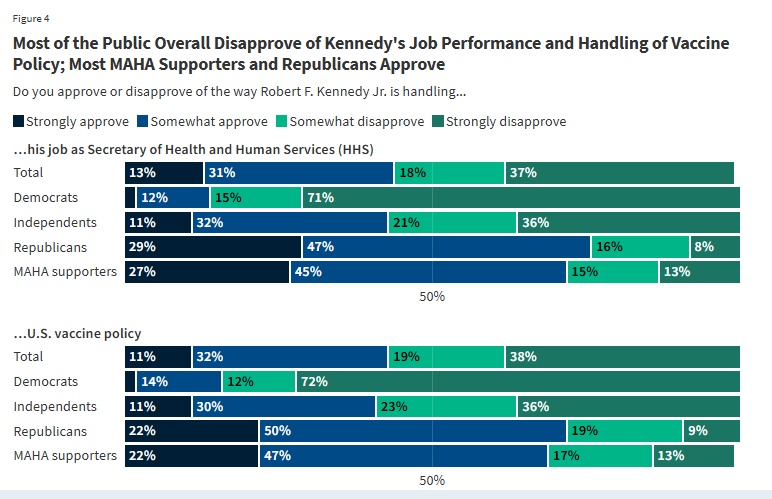
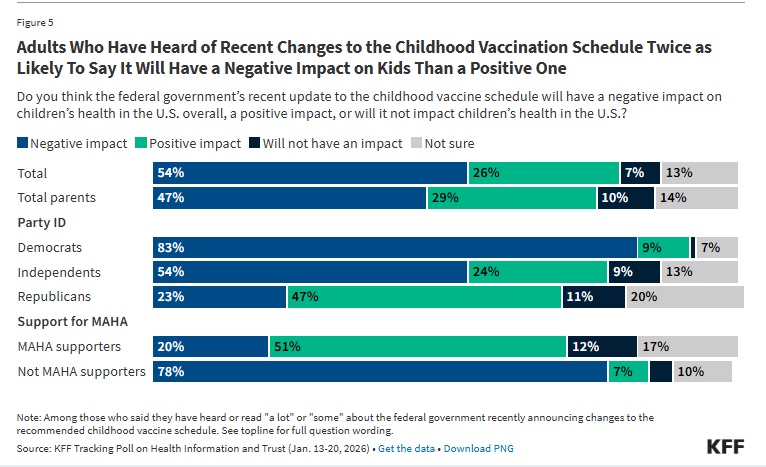
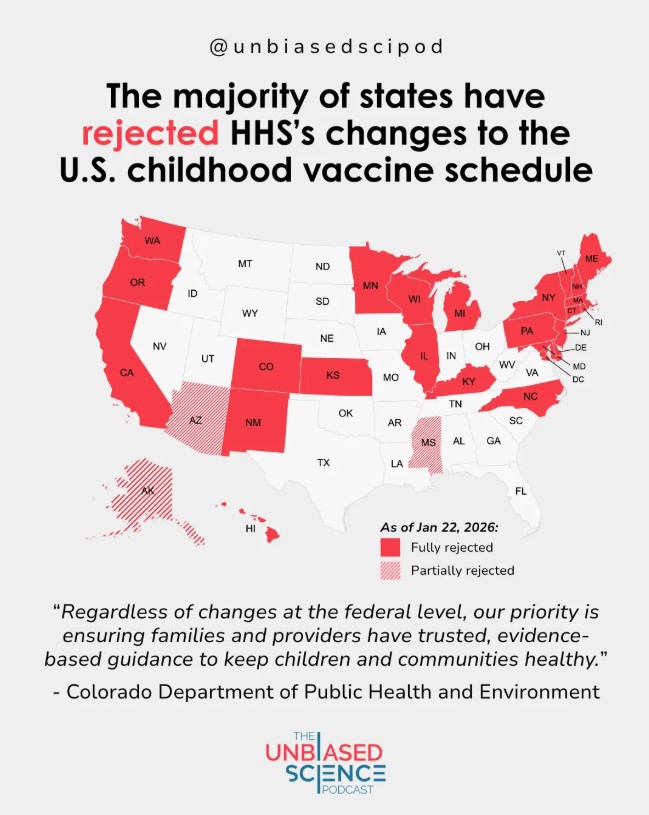
|
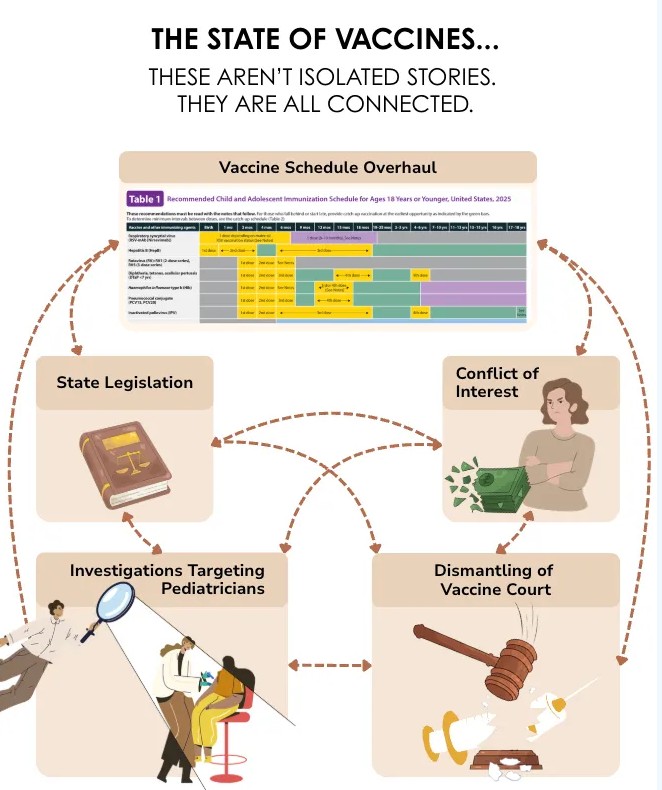
|
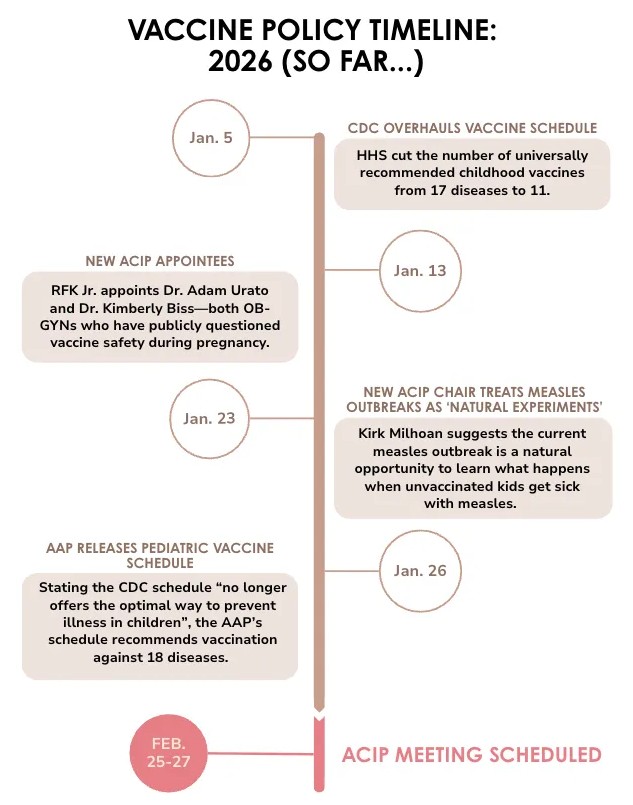
|
The US ranking has been on a downward trend for the past decade. It took another hit last year, when the Trump administration gutted the federal government's ability to fight public corruption by pausing investigations into corporate foreign bribery and curtailing enforcement of a foreign agent registration law, among other measures.
Since returning to the White House, US President Donald Trump has also actively weakened institutions and deployed the tools of government against his perceived foes. The United States' overall CPI score also hit its lowest-ever level, extending its downward slide over the past decade. It came in at 64 on a scale where 100 is very clean and 0 is highly corrupt. "We are very concerned about the situation in the United States," Transparency International CEO Maira Martini told CNN Tuesday. "This declining trend might continue.
Corruption Perceptions Index: United States of America February 10, 2026
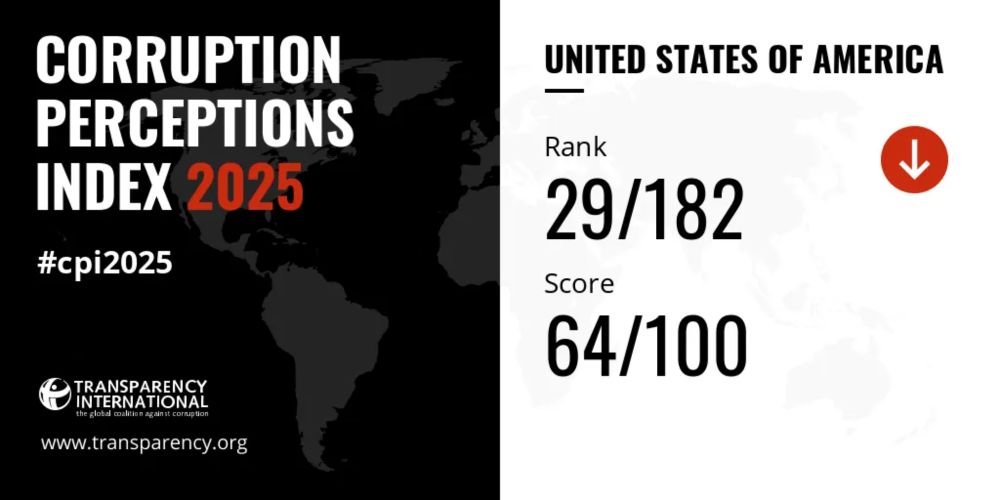
|
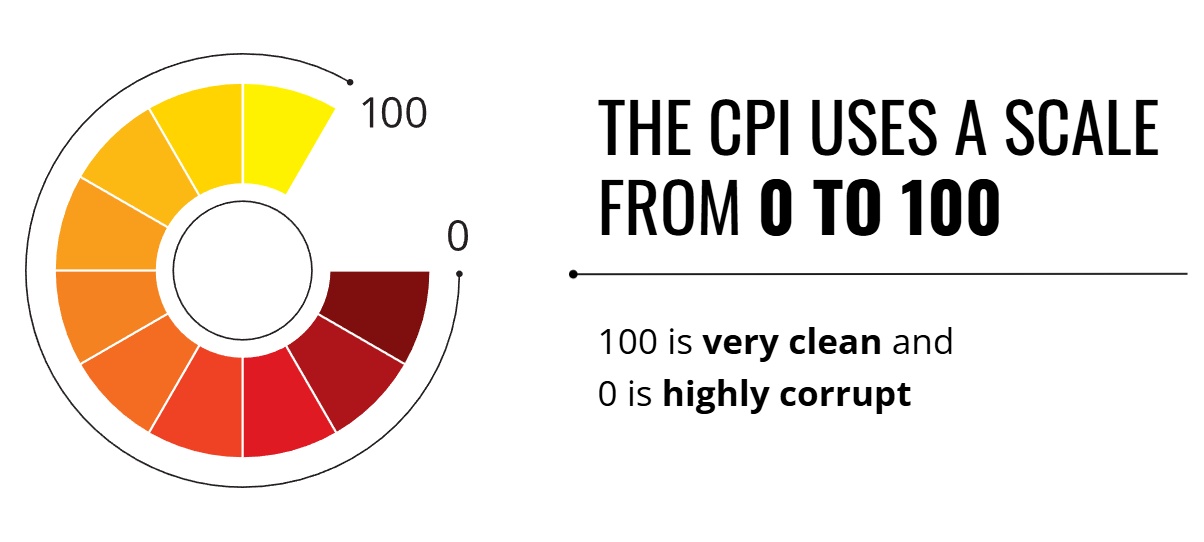 |
DOJ was supposed to limit redactions to the personal information of victims and materials that would jeopardize an active criminal investigation. And Congress has not yet received a privileged log from DOJ explaining why certain redactions were made, which DOJ is compelled to provide 15 days after its January 30 release of documents. Many Democrats already believe that her department, whether by design or omission, is failing to honor the Epstein Files Transparency Act passed after a GOP revolt against Trump last year. The law's authors, California Democratic Rep. Ro Khanna and Rep. Massie, expressed disappointment with the DOJ.
But the clemency play is the epitome of an age when attempted quid pro quos play out in public in hopes of swaying a president who mocks ethics and exploits power granted by voters for his own ends. Anything that Maxwell said in the event she was released from prison would be immediately regarded as not credible, given her incentive to improve her own plight. But such is Trump's outlandish past use of his pardon powers that her gambit cannot be dismissed. It might even work.
But the growing push for accountability is raising the question of what this network of powerful and sophisticated people - mostly rich men - knew about Epstein's activities and crimes, especially once he emerged from prison in 2009 after serving a 13-month sentence for sex offenses. "I think that what people also need to remember is that, you know, the survivors of this crime know what happened," Epstein victim Liz Stein, wearing a sweater reading "Courage is Contagious," told CNN's Jake Tapper on Monday. "And so when we see things coming out that, you know don't parallel what our truth is, we really - we're taking notice."
A group of public health organizations, lawyers, and scholars, has filed an amicus brief in the US District Court of Massachusetts supporting plaintiffs American Academy of Pediatrics (AAP) and others against defendant Robert F. Kennedy Jr., secretary of the Department of Health and Human Services (HHS), and warning that recent federal actions weakening routine childhood vaccination recommendations pose an urgent threat both for children and the public's health.
The Robert Wood Johnson Foundation, the American Thoracic Society, the Network for Public Health Law, and 119 deans and professors are among those listed in the brief. In the brief, the safety and efficacy of childhood vaccine are emphasized, while the "shared clinical-decision making" (SCDM) model touted by HHS is described as a way to further sow distrust in safe vaccines.
"Placing a vaccine on the routine schedule does not create a mandate, but the routine schedule ensures that immunizations will be part of the preventive standard of practice for children and the default approach. SCDM has the opposite effect," the brief states.
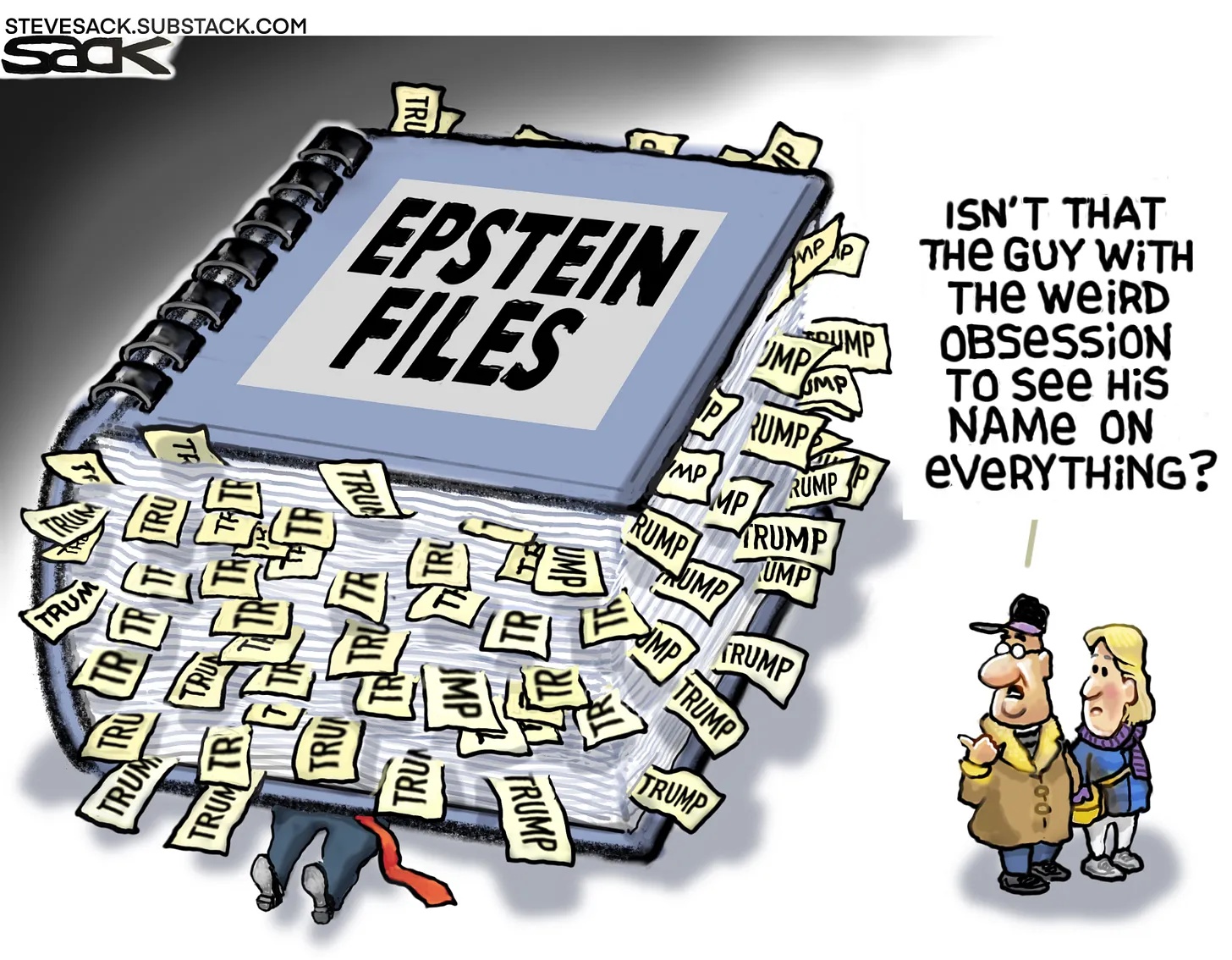
The FDA refused to review Moderna's application for a new flu vaccine, the company said yesterday. It's a surprising decision that could raise concerns about the agency's posture toward drug companies and, of course, the administration's policies on vaccines overall.
Moderna's rejection is only the latest example of biologics director Vinay Prasad subjecting vaccines to harsher scrutiny than his predecessors; a notable policy position given health secretary Robert F. Kennedy Jr.'s history as a vaccine critic. At the heart of the Moderna dispute is which existing influenza vaccine the company should have used as a control when testing the efficacy of its new shot, which utilizes the same mRNA technology as in its Covid-19 vaccine.
In a new blow to LGBTQ+ rights, the Trump administration removed the Pride flag-a rainbow symbolizing diversity and peace-from the Stonewall National Monument in New York. The quiet removal over the weekend was first reported by Gay City News, and the news quickly drew backlash and criticism. The National Park Service (NPS) said in a statement that the removal was consistent with the guidance in the memo, adding "only the U.S. flag and other congressionally or departmentally authorized flags are flown on NPS-managed flagpoles, with limited exceptions."
Stonewall National Monument is an important landmark in the history of LGBTQ+ rights. In 1969, police raided the Stonewall Inn, an iconic gay bar, and the community fought back against discrimination with protests over the following six days. These events marked a new era for LGBTQ+ rights in the U.S. and beyond and shaped modern activism. Former President Barack Obama designated Christopher Park, across from the Stonewall Inn, as the site of the first national monument honoring the legacy and struggles of the LGBTQ+ community. Pride flags have flown at the monument in recent years. The park's website also acknowledges the significance of the Civil Rights Movement: "The Stonewall Uprising on June 28, 1969, is a milestone in the quest for civil rights and provided momentum for a movement."
As an international symbol of gay rights, the move has drawn strong reactions from activists and leaders. Locals protested the removal on Tuesday, while elected officials condemned what they described as an attempt to rewrite history. Senate Minority Leader Chuck Schumer also called on the administration to reverse its action. "New Yorkers are right to be outraged, but if there's one thing I know about this latest attempt to rewrite history, stoke division and discrimination, and erase our community pride it's this: that flag will return. New Yorkers will see to it."
There has been a barrage of changes affecting how minorities are represented and protected in the country since 2025. The administration has issued directives based on its political ideologies to appease conservative supporters, reversing years of efforts aimed at promoting diversity and inclusion. Shortly after taking office for his second term, President Donald Trump issued a directive stating that the federal government would recognize only two genders: male and female. References to transgender, intersex, and queer people were removed from government websites-including the Stonewall Monument site-and the acronym was shortened from LGBTQ to LGB. Other legal protections for the transgender community were rolled back, including directives affecting military service, access to gender-affirming care, and participation in school athletics. U.S. consulates and embassies around the world also removed non-U.S. flags, including Pride and Black Lives Matter flags, following an order from the State Department.
The administration has also made changes at cultural institutions. In January, a slavery exhibition at the President's House in Independence National Historical Park in Philadelphia was dismantled following orders from the president. Last year, the administration ended free entry to national parks on Juneteenth and Martin Luther King Jr. Day. The White House also did not hold a celebration marking Juneteenth, the federal holiday commemorating the end of slavery in the U.S. on June 19, 1865.
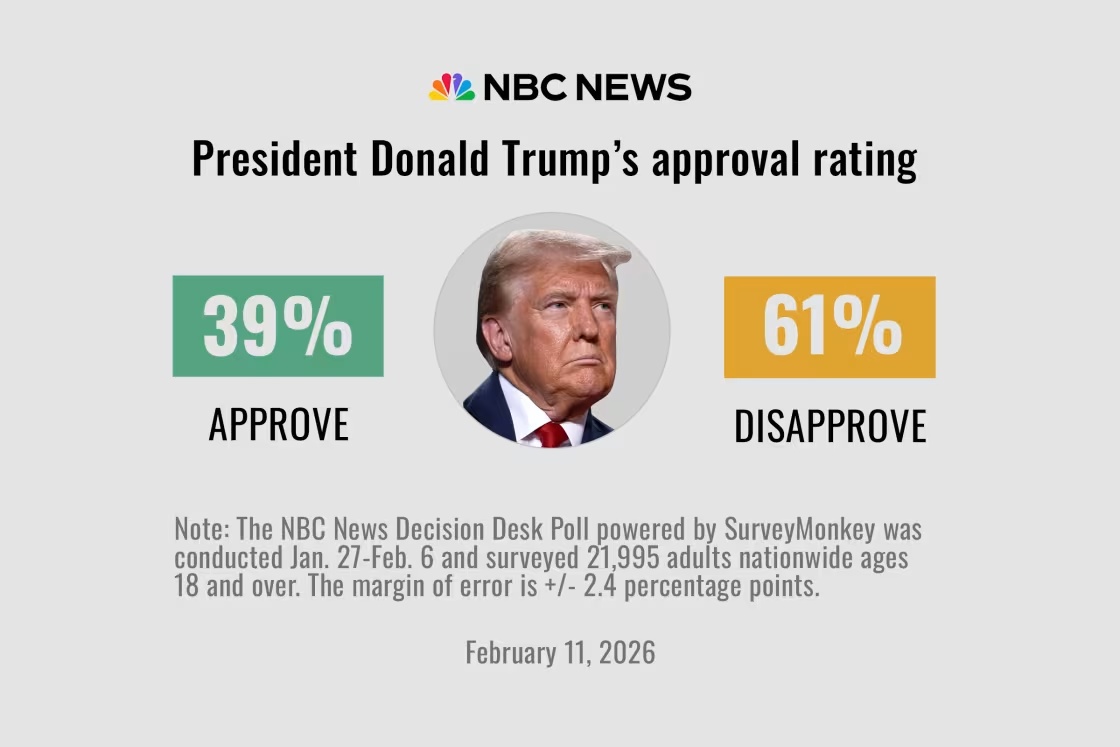

A bipartisan group of 100 lawmakers sent a letter on Wednesday to Secretary of Homeland Security Kristi Noem urging an exemption for the health care sector from the Trump administration's $100,000 H-1B visa fee.
"Imposing a $100,000 fee for new H-1B visa petitions will exacerbate hospitals' existing staffing challenges and could push chronically underfunded hospitals to their financial brink," the letter reads. "We urge you to create a health care sector exemption to prevent additional strain on the health care workforce," it says.
The Trump administration is slapping a $100,000 fee on certain H-1B visa petitions as part of efforts to tighten control over the skilled worker program. The measure is intended to curb program misuse and encourage employers to hire higher-paid American workers. Supporters say H-1B visas help fill critical labor shortages in sectors such as health care, technology, and engineering, while critics argue the program can displace U.S. workers and undercut American wages.
New York City became the first U.S. city to join the World Health Organization’s Global Outbreak Alert and Response Network (GOARN) on Thursday and New York state joined shortly after-a direct response to the U.S. withdrawal from WHO last month. GOARN is the global early warning system for disease threats. When outbreaks emerge, the network rapidly shares information-think urgent alerts, lab data, and technical guidance-and deploys epidemiologists and scientists to investigate and respond.
In other words, New York's decision to join is saying: we aren't waiting for the federal government. We're going to step up and build our own public health firewall against international outbreaks.
Here's what you need to know:
NYC and New York state join more than 360 public health institutions worldwide in GOARN. This means faster access to outbreak alerts and coordination.
The timing matters: The FIFA World Cup final is being hosted by MetLife Stadium in July, and is expected to bring more than 1 million visitors to the greater New York area. California and Illinois also joined at the state level.
Even with NYC and some states joining the WHO, the U.S. leaving has still caused lasting damage to international outbreak response. The U.S. was WHO's largest donor-we donated $1.2 billion in 2022-before the January withdrawal.
President Trump announced this afternoon that he was officially erasing the scientific finding that greenhouse gases threaten human life by warming the planet. The move largely cuts off the federal government's legal authority to address climate change through regulation.
Following the lead of a president who refers to climate change as a 'hoax,' the administration is directly challenging the overwhelming scientific consensus. Presidents of both parties have warned of the dangers of climate change for decades. At issue is a 2009 determination called the endangerment finding, which the government has used to justify regulations on greenhouse gases. Lee Zeldin, who leads the E.P.A., called today's move "the single largest deregulatory action in the history of the United States." The administration claimed it would save auto manufacturers and other businesses an estimated $1 trillion, although it has declined to explain how it arrived at that figure. The Environmental Defense Fund estimated the rollback could lead to as many as 58,000 premature deaths.
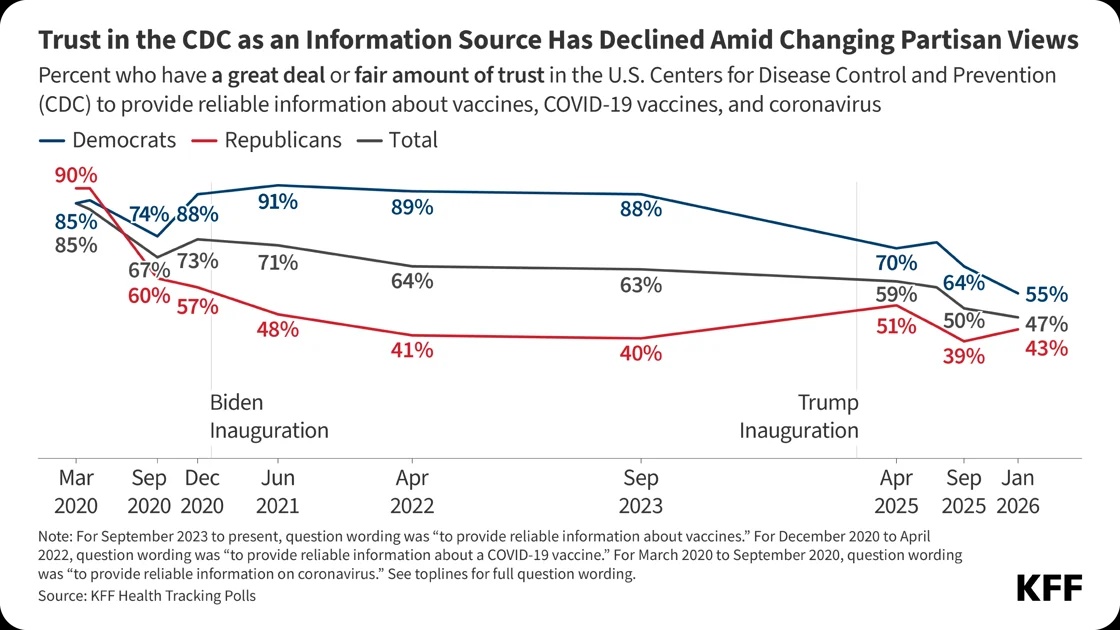
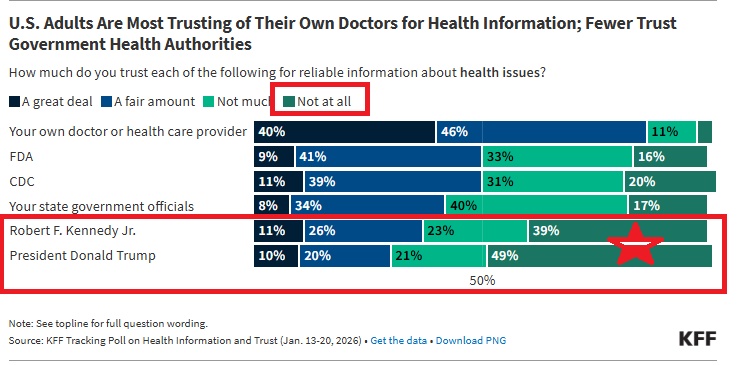
A year ago, U.S. Health Secretary Robert F. Kennedy Jr. said he wanted to rebuild trust in federal health agencies, and vowed to employ "radical transparency" to do it. But many types of health information that steadily flowed from the government for years or decades has been delayed, deleted and in some cases stopped all together.
The collection and sharing of information was hurt by sweeping layoffs at federal agencies and the longest government shutdown in U.S. history. Officials took down health agency websites to comply with an executive order from President Donald Trump, causing outside researchers to archive federal health datasets and leading to a lawsuit that ended with a judge ordering the websites' restoration.
Asked about now-unavailable data and information, a spokesman for Kennedy said the premise of The Associated Press' inquiry was flawed and relied on selective and inaccurate characterizations. "Secretary Kennedy is leading the most transparent HHS in history, with unprecedented disclosure and openness aimed at restoring public trust in federal health agencies," said the spokesman, Andrew Nixon. He pointed to an HHS webpage on the agency's transparency efforts, which includes a list of canceled government contracts and the repackaging of previously available information - including a U.S. Food and Drug Administration "chemical contaminants transparency tool."
Here are some examples of how less information is coming out of federal public health agencies than in past administrations.
Abortion: The Project 2025 blueprint that's been influential to the Trump administration called for the Centers for Disease Control and Prevention to enhance its data collection of U.S. abortions, but the agency failed to post its annual abortion surveillance report in November. (Nixon said it will come out this spring.) HHS officials blamed the delay on the CDC's former chief medical officer, Dr. Debra Houry, saying she directed staff to return state-submitted abortion data rather than analyze it. But Houry - who resigned months before the report was slated to come out - said that claim was false. She says the report was derailed because of HHS cutbacks to the funding and staff needed to get it done.
Overdoses: Fighting the nation's overdose epidemic has long been a priority for both Republicans and Democrats. And the federal government has continued to collect and report on death certificate-based information on drug deaths. But the Trump administration curtailed other kinds of overdose work, including shutting down the Drug Abuse Warning Network (DAWN), which tracked emergency department visits - an early alert about drug-use trends. It was discontinued "as part of a broader effort to align agency activities with agency and administration priorities," officials posted. Nixon said past DAWN data will remain available. But some experts say that's not enough, and recently likened the termination of DAWN and other recent changes to spreading cracks in a windshield that makes it harder to see what's ahead in the epidemic.
Smoking: Smoking has long been known as the nation's leading preventable cause of death. The federal government for decades has not only monitored what percentage of people use cigarettes and other tobacco products, but also run successful public education campaigns like the FDA's "Real Cost" and the CDC's "Tips from Former Smokers." Those campaigns were ended last year, although Nixon said the FDA campaign will return. Meanwhile, layoffs to CDC staff who worked on smoking meant an important survey on youth smoking and vaping - normally out in the fall - was never released. Those layoffs also put a stop to work on a report on smoking for the Office of the U.S. Surgeon General.
Food safety: For three decades, federal health officials tracked food poisoning infections caused by eight germs. In July, the Trump administration scaled back required reporting to just two pathogens monitored by the Foodborne Diseases Active Surveillance Network, known as FoodNet. Under the change, health departments in 10 states that participate in the joint state and federal program only monitor infections caused by salmonella and Shiga toxin-producing E. coli. Tracking is optional for infections caused by campylobacter, cyclospora, listeria, shigella, vibrio and Yersinia. CDC officials said the change would allow the agency to "steward resources effectively." Food safety experts said the move undercuts the nation's ability to accurately monitor risks in the U.S. food supply.
LGBTQ issues: Even before Kennedy was confirmed, President Donald Trump signed executive orders to roll back protections for transgender people and terminate diversity, equity and inclusion programs. That caused the CDC to remove from its website a range of information about HIV and transgender people. The government also stopped collecting and reporting crucial survey findings on transgender students - data that has shown higher rates of depression, drug use, bullying and other problems. That data is used to help fund and focus suicide-prevention programs and other efforts. And this is all happening as the federal and some state governments try to discourage gender-affirming care, ban transgender youth from sports and dictate which bathrooms they can use, Beccia said."Without the data, we can't systematically show the harm that's being done" by these policies, Beccia said. Nixon said the data collection and reporting now aligns with agency priorities.
Conflicts of interest: Before he was health secretary, Kennedy was a leading voice in the anti-vaccine movement and repeatedly accused federal health advisers of conflicts of interest that aligned them with vaccine-makers. In June, he dismissed the entire Advisory Committee on Immunization Practices and named his own replacements. A federal official said the government would release ethics forms for the new members. But it didn't. Meanwhile, a CDC website that compiles disclosures by past and current ACIP members has more than 200 entries of former panel members, but information on only one Kennedy appointee. Among those missing from that list are Martin Kulldorff, the initial chair of Kennedy's reconstituted committee, who had been paid to be an expert witness in legal cases against the vaccine-maker Merck. Another is current member Dr. Robert Malone, who also was paid as an expert witness in vaccine litigation.
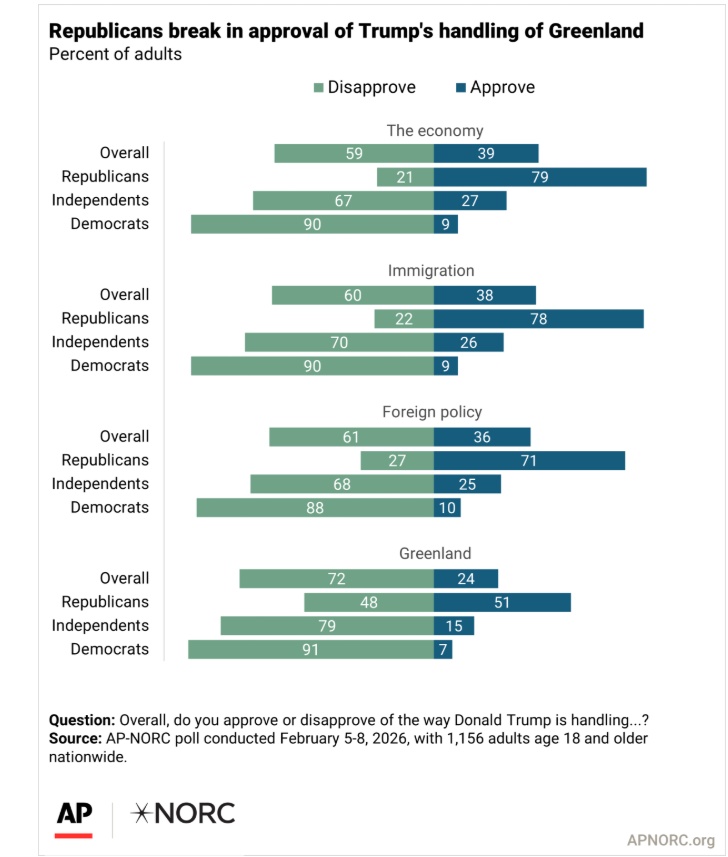
Staff members at the US National Institute of Allergy and Infectious Diseases (NIAID) have been told to delete the words "biodefense" and "pandemic preparedness" from the institute's website, a move that experts say will hobble the United States' ability to respond to future infectious disease threats, Nature reported.
Nahid Bhadelia, MD, director of Boston University's Center on Emerging Infectious Diseases, told Nature that the deprioritization of biodefense and pandemic preparedness will weaken the United States' ability to respond to pathogens that are constantly evolving in wildlife and spilling over into people. "Just because we say we're going to stop caring about these issues doesn't make the issues go away-it just makes us less prepared," she said.Since President Donald Trump took office in January 2025, the NIH workforce has been reduced by roughly 20% through layoffs or resignations. In June 2025, officials also idled the Office of Pandemic Preparedness and Response Policy, which was launched in 2023 to maintain readiness to respond to biological threats and pathogens, including development of new vaccines and treatments.
Noem's focus on meeting the Trump administration's deportation quotas appears poised to further impact Coast Guard operations in the coming months, according to new guidance recently issued to Coast Guard Air Station Sacramento this year. Based on DHS priorities, the air station, which is among those responsible for a majority of deportation flights, has designated its first priority to be the transport of detained immigrants on its C-27 aircraft within the U.S., according to multiple U.S. officials familiar with the orders.
The new orders moved search and rescue operations, which have long been the Coast Guard's core mission, to a lower priority, the officials familiar with the orders said. They said counternarcotics efforts and Coast Guard training are prioritized above search and rescue operations.
The dissonance between Noem's priorities and senior Coast Guard officials is a lesser-known part of the fallout from President Donald Trump's mass deportation policy, and is largely playing out behind the scenes. Coast Guard officials have privately raised concerns with one another and confided in former officials about some of Noem's directives and use of Coast Guard resources to service her and the administration’s priorities, the current and former Coast Guard officials said.
"The primary mission was search and rescue," the former Coast Guard official said. "And now the No. 1 stated mission of the Coast Guard is border security, that is a cultural change that the culture hasn't quite caught up to." The official added that under Noem's leadership, "you never know what's going to happen" and that morale at Coast Guard headquarters "is terrible."
The two DHS officials said the Coast Guard officials were told by a senior DHS official not to raise their concerns about the purchase of the new Gulfstream jets. "We were kept completely out of the loop on those Gulfstreams. I wanted to know what money they used for those Gulfstreams," one of the DHS officials said. "But basically, we were shut down."
Jay Bhattacharya, the director of the National Institutes of Health, will take on the additional role of acting director of the Centers for Disease Control and Prevention. Some public health experts, including former C.D.C. officials, worry that it will be difficult for him to do both jobs.
The change is part of the Trump administration's broader shake-up in health leadership, which comes partly in anticipation of health policy being a major issue in this year's midterm elections. Bhattacharya, a critic of Covid lockdowns, has no formal training in public health, but is a physician and medical economist whose research has focused on the well-being of populations. In other health news, the F.D.A. reversed its decision on Moderna's mRNA flu vaccine and agreed to review it for possible approval.
The U.S. State Department is developing an online portal that will enable people in Europe and elsewhere to see content banned by their governments including alleged hate speech and terrorist propaganda, a move Washington views as a way to counter censorship, three sources familiar with the plan said. The site will be hosted at "freedom.gov," the sources said. One source said officials had discussed including a virtual private network function to make a user's traffic appear to originate in the U.S. and added that user activity on the site will not be tracked.
Reuters could not determine why the launch did not happen, but some State Department officials, including lawyers, have raised concerns about the plan, two of the sources said, without detailing the concerns. The project could further strain ties between the Trump administration and traditional U.S. allies in Europe, already heightened by disputes over trade, Russia's war in Ukraine and President Donald Trump's push to assert control over Greenland. The portal could also put Washington in the unfamiliar position of appearing to encourage citizens to flout local laws.
In rules that fall most heavily on social media sites and large platforms like Meta's (META.O), opens new tab Facebook and X, the EU restricts the availability - and in some cases requires rapid removal - of content classified as illegal hate speech, terrorist propaganda or harmful disinformation under a group of rules, laws and decisions since 2008.
In a National Security Strategy published in December, the Trump administration warned that Europe faced "civilisational erasure" because of its migration policies. It said the U.S. would prioritize "cultivating resistance to Europe's current trajectory within European nations."
EU regulators regularly require U.S.-based sites to remove content and can impose bans as a measure of last resort. X, which is owned by Trump ally Elon Musk, was hit with a 120 million-euro fine in December for noncompliance.
The warning on the government website was stark. Some products and remedies claiming to treat or cure autism are being marketed deceptively and can be harmful. Among them: chelating agents, hyperbaric oxygen therapies, chlorine dioxide and raw camel milk. Now that advisory is gone.
The Food and Drug Administration pulled the page down late last year. The federal Department of Health and Human Services told ProPublica in a statement that it retired the webpage "during a routine clean up of dated content at the end of 2025," noting the page had not been updated since 2019. (An archived version of the page is still available online.)
Be Aware of Potentially Dangerous Products and Therapies that Claim to Treat Autism Original webpage that was taken down is still available on Archive.org Web site.
A page recently pulled from the Food and Drug Administration's website gave examples of "false claims" about treatments for autism and its symptoms. Internet Archive
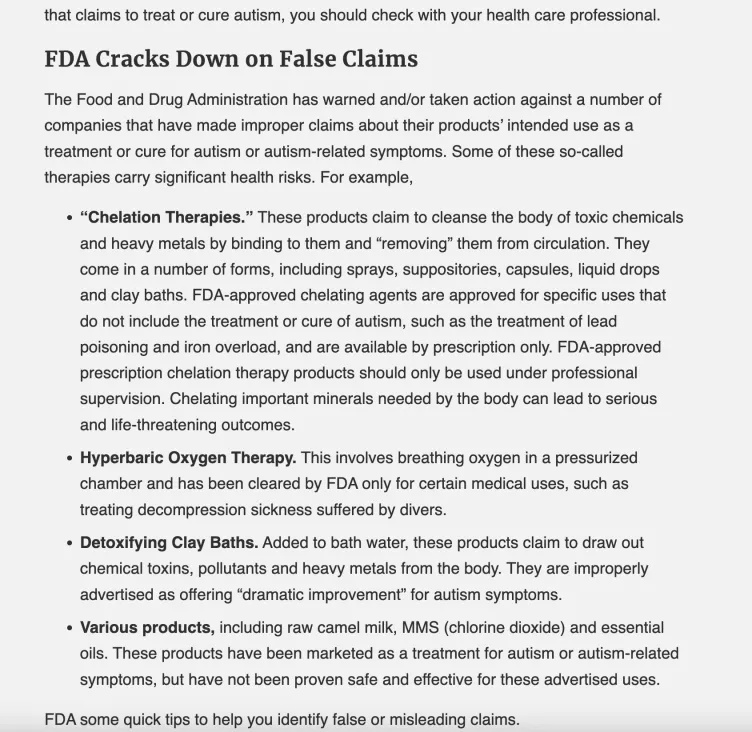
Graphic source: https://www.propublica.org/article/rfk-jr-fda-removes-autism-treatments-warning
News: FDA removes web page warning of dangers of unproved autism treatments BMJ.com, January 19, 2026.
The lack of clear warning from the government on questionable autism treatments is in line with HHS Secretary Robert F. Kennedy Jr.'s rejection of conventional science on autism and vaccine safety. Kennedy has embraced various unconventional measures in his fight against what he views as a government system corrupted by special interests. "This includes its aggressive suppression of psychedelics, peptides, stem cells, raw milk, hyperbaric therapies, chelating compounds, ivermectin, hydroxychloroquine, vitamins, clean foods, sunshine, exercise, nutraceuticals and anything else that advances human health and can’t be patented by Pharma," he wrote.
The FDA, dating back to at least 2010, has urged consumers not to purchase or drink chlorine dioxide, frequently marketed as a Miracle Mineral Solution, because "the solution, when mixed, develops into a dangerous bleach which has caused serious and potentially life-threatening side effects."
Many autism researchers and advocates have been wary of Kennedy due to his long-held stance that vaccines cause autism. Peer-reviewed studies conducted worldwide, published over decades in leading scientific journals, have rejected such a link. The Autistic Self Advocacy Network published a statement on its website saying that the newly reconfigured HHS autism panel is now "overwhelmingly made up of anti-vaccine advocates and peddlers of dangerous quack autism 'treatments.'"
Yale University professor emeritus Dr. Fred Volkmar, who edited the "Handbook of Autism and Pervasive Developmental Disorders," a definitive guide, said early diagnosis and proven treatments have led to dramatic improvements for people with autism. "These days, probably 70% to 75% of children on the autism spectrum will grow up to be fully independent or semi-independent adults." Sadly, however, he said, some parents fall prey to promises of easy and fast cures, when there are none. One of the dangers, he said, is that children are drawn away from treatments that are shown to be beneficial. "It's a shame that the federal government is not being more helpful to parents in understanding what does and doesn't work," Volkmar said.
Nearly a year after their scholarly research about endometriosis, suicide risk, and patient safety was removed from a government-hosted website because it included references to the LGBTQ+ community, two university researchers have secured a binding agreement requiring the government to maintain the court-ordered restoration of their and others' work. The agreement prohibits the federal government from removing more research from the website in the future for the same ideological reasons.
The Trump administration had removed the research in early 2025 in accordance with an executive order from the Trump administration prohibiting the use of government funds to "promote" or "inculcate" so-called "gender ideology."
The articles removed include "Endometriosis: A Common and Commonly Missed and Delayed Diagnosis," co-authored by plaintiff Dr. Celeste Royce, which included a sentence about diagnosis in transgender and gender-nonconforming people, and "Multiple Missed Opportunities for Suicide Risk Assessment in Emergency and Primary Care Settings," co-authored by plaintiff Dr. Gordon Schiff, which included a sentence about heightened risk in LGBTQ+ communities.
"This agreement is a win for the First Amendment and for public health," said Scarlet Kim, senior staff attorney with the ACLU. "The government cannot censor medical research because it acknowledges the existence of transgender people. Research free from ideological interference by the government promotes rigor, objectivity, and scientific value, which benefits everyone."
The website, known as PSNet, hosts research from doctors and scholars focusing on patient safety and improving medical outcomes. In addition to the restoration of the work of Dr. Schiff, Dr. Royce, and others, the agreement prohibits the government from removing more articles from PSNet in the future on the basis of the "gender ideology" executive order or a memo from the Office of Personnel Management (OPM) that set out guidelines for implementing that order.
"The Trump administration's politically motivated attacks on science have endangered patient safety, stifled protected speech, and undermined the fundamental academic principles of free inquiry," said Rachel Davidson, free expression staff attorney with the ACLU of Massachusetts. "The federal government censored important public health articles without any rational or scientific basis - but thanks to our clients' courage, this work is now restored. Dr. Schiff and Dr. Royce can now continue their work to improve outcomes for patients, and the ACLU will continue to challenge the Trump administration's abuses of power."
In March 2025, the researchers filed suit against the Department of Health and Human Services, the Agency for Healthcare Research and Quality, and OPM, arguing that the government violated the First Amendment by imposing a viewpoint-based and unreasonable restriction on the doctors' participation in a forum the government has opened to private speakers. They also argued that the government violated the Administrative Procedure Act, including by removing articles without a reasoned basis.
The suit was filed in the District Court of Massachusetts by the American Civil Liberties Union, the ACLU of Massachusetts, and the Media Freedom and Information Access Clinic at Yale Law School. In May, the court issued a preliminary injunction restoring the censored articles to PSNet.
"I'm deeply grateful to have supported Yale Law School's Media Freedom & Information Access Clinic and the ACLU in this important case," said Sonam Jhalani, second year law student at Harvard Law School. "Contributing to work that protects scientific integrity and the free exchange of knowledge was a meaningful experience, and I'm proud to have worked alongside those who helped advance these principles."
Recent policy changes and economic shifts have slashed 12 years off the projected life span of the trust fund that pays for Medicare Part A, according to a newly updated report from the Congressional Budget Office (CBO). The Hospital Insurance (HI) Trust Fund is now slated to be entirely exhausted by 2040, even though the balance generally increases through 2031, as spending will begin to outstrip income in the following year.
This rapid deterioration of Medicare's financial solvency represents a stark drop from the CBO’s previous estimate, which was published just last year, in March 2025. The dramatically shortened timeline means future retirees could face significant cuts to vital health care services far sooner than previously anticipated. As required by the Deficit Control Act, CBO Director Phillip Swagel noted the projections reflect the assumption benefits would be paid as scheduled even after the HI trust fund was exhausted.
The primary culprit for this accelerated depletion is a sharp reduction in the fund’s projected income, heavily driven by legislation passed over the last year. Specifically, the 2025 reconciliation act (Public Law 119-21, more commonly known as the One Big Beautiful Bill Act) significantly reduced the revenues the trust fund normally receives from taxing Social Security benefits. This legislation lowered tax rates and established a temporary deduction for taxpayers age 65 or older. Consequently, this major policy shift enacted during the Trump administration has directly contributed to starving the Medicare safety net of critical future funding.
The HI trust fund is the financial backbone for Medicare Part A, which covers essential services including inpatient hospital care, stays in skilled nursing facilities, home health care, and hospice care. Over the next 30 years, the fund is expected to rely on the Medicare payroll tax for about three-quarters of its annual income, with another roughly one-eighth derived from income taxes on Social Security benefits.
However, the recent tax cuts are not the only factor draining the fund. The CBO also cited decreased projections for payroll tax revenues, warning it had to adjust their models to account for lower expected worker earnings. Furthermore, because the trust fund will have smaller balances going forward, it will generate less interest income, creating a compounding negative effect on its overall finances.
The Supreme Court delivered a major blow to President Donald Trump, ruling Friday that he exceeded his authority when imposing sweeping tariffs using a law reserved for a national emergency. The justices, divided 6-3, held that Trump's aggressive approach to tariffs on products entering the United States from across the world was not permitted under a 1977 law called the International Emergency Economic Powers Act (IEEPA). The ruling invalidates many, but not all, of Trump's tariffs.
Speaking at the White House, Trump harshly criticized the Supreme Court majority, describing the decision as a "disgrace to our" nation and the justices in the majority as "very unpatriotic and disloyal to the Constitution," while suggesting they were "swayed by foreign interests."
"The president asserts the extraordinary power to unilaterally impose tariffs of unlimited amount, duration and scope," Roberts wrote. But the Trump administration "points to no statute" in which Congress has previously said that the language in IEEPA could apply to tariffs, he added. As such, "we hold that IEEPA does not authorize the president to impose tariffs," Roberts wrote.
The Constitution says the power to set tariffs is assigned to Congress. But Trump used IEEPA, which does not specifically mention tariffs but allows the president to "regulate" imports and exports when he deems there to be an emergency due to an "unusual and extraordinary threat" to the nation. Before Trump, no president had ever used that law to tariff imports. Lower courts ruled against the Trump administration in two related cases that were consolidated, with both sides asking the Supreme Court to issue a definitive ruling.
A federal judge accused the administration of recklessly violating the law in its efforts to deport millions of people living in the country illegally. Citing the deaths of Renee Good and Alex Pretti in Minnesota, the judge said that the White House had also "extended its violence on its own citizens."
Why this matters: U.S. District Judge Sunshine Sykes said the administration had violated her December ruling that found it was illegally denying many detained immigrants a chance for release. She ordered the U.S. Department of Homeland Security to provide them with notice that they may be eligible for bond and then give them access to a phone to call an attorney within an hour.
Under past administrations, people with no criminal record could generally request a bond hearing before an immigration judge while their cases wound through immigration court unless they were stopped at the border. President Donald Trump's White House reversed that practice. The Homeland Security department said in a statement that the Supreme Court had "repeatedly overruled" lower courts on the issue of mandatory detention. "ICE has the law and the facts on its side, and it adheres to all court decisions until it ultimately gets them shot down by the highest court in the land," the statement said.
The CIA took the unusual step on Friday of formally withdrawing nearly 20 intelligence reports it issued over the last decade, including analysis on hot-button cultural topics such as white nationalism and family planning, after a review determined they were biased or an inappropriate use of spy agency resources.
The move, announced by a senior CIA official, is the latest by director John Ratcliffe and his aides to rid the agency of what they claim are liberal cultural influences. Early in his tenure, Ratcliffe, at President Donald Trump's direction, eliminated diversity, equity and inclusion programs at the agency and fired employees assigned to those programs.
In all, the CIA retracted 17 intelligence reports that predate Trump's current term and recalled two others for substantial revisions. The retracted reports will be deleted from agency databases and no longer be available to U.S. policymakers.
The agency released partially redacted versions of three of those reports. One analyzes the role of women in violent white nationalist groups overseas; a second discusses challenges facing LGBT activists in the Islamic world; and the third covers the coronavirus pandemic's impact on access to contraception and family planning in developing countries.
Those issues were of interest to prior Democratic administrations. But the senior CIA official, briefing reporters on the condition of anonymity under ground rules set by the agency, said they were inappropriate topics for the agency to focus on and, in some cases, relied on biased sources of information.
The CIA has a mixed track record of analysis in recent decades, from a flawed 2002 assessment of Iraq's weapons of mass destruction to an accurate 2022 prediction of Russia's full-scale invasion of Ukraine.
The recall of the reports follows months of efforts by senior Trump administration intelligence officials to portray their predecessors as politicizing intelligence - an effort congressional Democrats and some former intelligence officers say is itself political.
The Department of Justice has eliminated its national database that tracked misconduct incidents among federal law enforcement officers. "Agencies can no longer query or add data" to the National Law Enforcement Accountability Database, the Justice Department posted in an online statement, confirming that it is being decommissioned as a result of an order signed by President Trump on his first day in office that rescinded 78 Biden-era executive actions. The website where the database existed is now a dead link. The Justice Department did not immediately respond to CBS News' request for comment.
The police misconduct database was operational for a little over a year, having launched in December 2023. It was not public. Instead, law enforcement agencies could privately search for information on whether a new hire or officer within their ranks had a documented history of abuse, or of violating department policies or law, for example racial bias or excessive use of force.
It was conceived in an attempt to reduce the problem of so-called "wandering officers" - instances where police who were forced out of their jobs because of substantiated misconduct simply found new jobs at different agencies that would otherwise have no way of knowing their history and the potential risk of arming them with a badge and gun.
"It's a reckless and harmful decision and a major step backward for transparency and public safety," said Chiraag Bains, non-resident senior fellow at the Brookings Institution, who led the development of Biden's executive order establishing the database in his role as deputy director of the White House Domestic Policy Council,where he served until 2023. "Why would you shut this down? This helps no one except bad actors who had no business wearing the badge."
All 90 executive agencies with law enforcement officers were required to report misconduct incidents related to their nearly 150,000 federal police nationwide. During its brief time in operation, an additional four departments also voluntarily submitted officer records.
According to Bains, the Biden administration built the database in direct consultation with policing agencies, civil rights groups, and academics, and specifically included due process protections for individual officers, giving them the ability to challenge the inclusion of any potential mistaken information.
In its first annual report published last December, the Bureau of Justice Statistics through the NLEAD database identified 4,790 misconduct incidents between 2018 and 2023. Among those, nearly 1,500 federal officers were either suspended, fired or resigned "while under investigation for serious misconduct," and more than 300 officers were convicted of crimes.
HHS could completely eliminate the U.S. Preventive Services Task Force (USPSTF) or delegitimize the independent body like it did with CDC's Advisory Committee on Immunization Practices (ACIP), two original USPSTF members warned.
"The USPSTF, the entity established by the Reagan administration to bring scientific rigor to prevention policy, is now under threat by the Trump administration, particularly Secretary of Health and Human Services Robert F. Kennedy Jr.," argued Robert Lawrence, MD, the first chair of the task force when it started over four decades ago, and Steven Woolf, MD, MPH, its first scientific advisor, in an Annals of Internal Medicine commentary.
"It cannot be abolished without congressional approval, but Secretary Kennedy can scuttle the USPSTF by choking off its budget and staff," they wrote in their commentary. "He may replace its members and jettison its rules of evidence to revise or rescind USPSTF recommendations that touch on topics that are ideologically sensitive with the administration, such as drug use, sexually transmitted diseases, HIV infection, or mental health. Recommendations that prioritize services for high-risk groups, such as minoritized or LGBTQ+ populations, may disappear."
The authors pointed out that in years past, patient advocacy groups like the American Cancer Society were supportive of screening, but evidence that it improved health outcomes was limited, and insurers were reluctant to cover screening tests, "making preventive services a luxury available only to those who could afford the out-of-pocket costs. In what was then known as 'reverse targeting,' preventive services were least available to the high-risk patients most likely to benefit."
The arrival of the evidence-based medicine movement in the 1980s caused researchers "to shed the old ways and adopt a more rigorous approach to the critical appraisal of studies and to produce evidence-based recommendations supported by data," they continued. "The USPSTF was a forerunner in this movement. Inspired by a similar task force in Canada, the USPSTF introduced rules of evidence, systematic search methods to ensure a comprehensive review of all relevant studies, a scoring system for rating studies, and letter grades to link recommendations to the quality of the science."
Uptake of preventive services remained an obstacle due to co-payments, however, especially for high-risk patients. That all changed in 2009 following the passage of the Affordable Care Act, which stipulated that any USPSTF recommendation with an A or B grade must be insured at no cost to patients.
Today, 17 years later, "a generation of insured Americans have grown accustomed to free mammograms, colonoscopies, oral contraceptives, and other USPSTF-recommended preventive services," they wrote.
"It took decades of hard work to build the reputation of advisory bodies, enhance analytic methods for the critical appraisal of evidence, and refine processes for producing evidence-based recommendations," they wrote in their conclusion. "Current efforts to toss this progress aside in pursuit of political or ideological aims are destroying the infrastructure that took decades to build. It is an existential threat to clinical practice and population health that we ignore at our peril."
The Justice Department has withheld some Epstein files related to allegations that President Trump sexually abused a minor, an NPR investigation finds. It also removed some documents from the public database where accusations against Jeffrey Epstein also mention Trump. Some files have not been made public despite a law mandating their release. These include what appears to be more than 50 pages of FBI interviews, and notes from conversations with a woman who accused Trump of sexual abuse decades ago when she was a minor. NPR reviewed multiple sets of unique serial numbers appearing before and after the pages in question, stamped onto documents in the Epstein files database, FBI case records, emails and discovery document logs in the latest tranche of documents published at the end of January. NPR's investigation found dozens of pages that appear to be catalogued by the Justice Department but not shared publicly. The Justice Department declined to answer NPR's questions on the record about these specific files, what's in them, and why they are not published.
Other files scrubbed from public view pertain to a separate woman who was a key witness for the prosecution in the criminal trial of Epstein's co-conspirator, Ghislaine Maxwell, who is serving a 20-year prison sentence for sex trafficking. Maxwell is seeking clemency from Trump. Some of those documents were briefly taken down and put back online last week, while others remain hidden, according to NPR's comparison of the initial dataset from Jan. 30 with document metadata of those files currently on the Justice Department website. NPR does not name victims of sexual abuse.
When asked for comment about the missing pages and the accusations against the president, a White House spokeswoman told NPR that Trump "has done more for Epstein's victims than anyone before him." "Just as President Trump has said, he's been totally exonerated on anything relating to Epstein," White House spokeswoman Abigail Jackson told NPR in a statement. "And by releasing thousands of pages of documents, cooperating with the House Oversight Committee's subpoena request, signing the Epstein Files Transparency Act, and calling for more investigations into Epstein's Democrat friends, President Trump has done more for Epstein's victims than anyone before him. Meanwhile, Democrats like Hakeem Jeffries and Stacey Plaskett have yet to explain why they were soliciting money and meetings from Epstein after he was a convicted sex offender."
The White House has previously pointed to a statement from the Justice Department that says the Epstein files contain "untrue and sensationalist claims" about the president. In a letter to members of Congress on Feb. 14 first reported by POLITICO, Attorney General Pam Bondi and Deputy Attorney General Todd Blanche insist that no records were withheld or redacted "on the basis of embarrassment, reputational harm, or political sensitivity, including to any government official, public figure, or foreign dignitary." House Oversight Committee Chairman James Comer, R-Ky., and other Republican members of the committee talk to reporters following a closed-door, remote deposition from convicted child sex offender Ghislaine Maxwell on Capitol Hill on Monday.
In the last two weeks, as lawmakers have begun to view unredacted copies of Epstein files, members of both parties have criticized the way the Trump administration has handled the release of the files. They have also continued to accuse the Justice Department of violating the law and operating without transparency in redacting information.
First woman accuses Trump of sexual abuse
According to the newly released files, the FBI internally circulated Epstein-related allegations that mention Trump in late July and early August 2025. The list, collected from the FBI's National Threat Operations Center, included numerous salacious allegations. Agents marked most of the accusations as unverifiable or not credible. But one lead was sent to the FBI's Washington Office with the purpose of setting up an interview with the accuser. The lead was included in an internal PowerPoint slide deck detailing "prominent names" in the Epstein and Maxwell investigations last fall. The woman who directly named Trump in her abuse allegation claimed that around 1983, when she was around 13 years old, Epstein introduced her to Trump "who subsequently forced her head down to his exposed penis which she subsequently bit. In response, Trump punched her in the head and kicked her out."
Out of more than three million pages of files released by the Justice Department in recent months, this specific allegation against Trump only appears in copies of the FBI list of claims and the DOJ slideshow. But a review of FBI case file logs and discovery documents turned over to Maxwell and her attorneys in the criminal case against her point to one place the claim could have come from - and how serious investigators took it. The FBI interviewed this Trump and Epstein accuser four times. That is according to an FBI "Serial Report" and a list of Non-Testifying Witness Material in the Maxwell case that were also released under the Epstein Files Transparency Act. Only the first interview, conducted July 24, 2019, is in the public database. That interview does not mention Trump.
Of 15 documents listed in a log of the Maxwell discovery material for this first accuser, only seven are in the Epstein files database. Those missing also include notes that accompany three of the interviews. The discrepancy in the file for the Trump accuser was first reported by independent journalist Roger Sollenberger. A document that was included in the Department of Justice release of the Jeffrey Epstein files, photographed Monday, Feb. 2, 2026, shows a diagram prepared by the FBI attempting to chart the network of Epstein's victims and the timeline of their alleged abuse. According to NPR's review of three different sets of serial numbers stamped onto the files, there appear to be 53 pages of interview documents and notes missing from the public Epstein database.
In the first interview document, the woman discussed ways Epstein abused her as a girl and, in identifying him to investigators, showed a cropped photo of the disgraced financier. Her attorney said it was cropped because she "was concerned about implicating additional individuals, and specifically any that were well known, due to fear of retaliation." The FBI agents noted it was a "widely distributed photograph" of Epstein with Trump. A woman whose biographical details and description of Epstein's abuse found in the FBI interview also line up with details from a victim lawsuit. In the December 2019 filing, "Jane Doe 4" does not mention Trump, and the woman voluntarily dismissed her claims against Epstein's estate in December 2021. Attorneys for this accuser declined to comment. Elsewhere in the released Epstein files, someone in the FBI wrote on July 22, 2025, before the list and slide presentation were compiled, that Trump's name was in the larger case files and that "one identified victim claimed abuse by Trump but ultimately refused to cooperate."
Second accuser says she met Trump at Mar-a-Lago
The other woman whose mention of Trump made the DOJ's presentation appears in Maxwell discovery files released last month in what's known as a Testifying Witness 3500 material list. In the first interview of six with the FBI conducted between Sept. 2019 and Sept. 2021, the second woman detailed how Epstein and Maxwell's abuse began while she was around 13 years old attending the Interlochen Center for the Arts and described how, at one point, Epstein took her to Trump's Mar-a-Lago club to meet him.
In a 2020 lawsuit against Epstein's estate and Maxwell, the second woman added that both men chuckled and she "felt uncomfortable, but, at the time, was too young to understand why." That interview was removed from the DOJ's public files some time after initial publication on Jan. 30 and was republished Feb. 19, according to document metadata. The Justice Department told NPR the only reason any file has been temporarily removed is because it had been flagged by a victim or their counsel for additional review.
Multiple FBI interviews with other people refer to the second woman's meeting with Trump while she was a minor and being abused by Epstein. One interview with a fleeting mention of Trump was removed from the public database and subsequently restored last week, while another interview with the woman's mother is still offline. After publication, the Justice Department said the file required additional redactions and will be reposted soon. In that conversation, the mother recalled hearing that "a prince and DONALD TRUMP visited EPSTEIN's house" which made her "think that if they are there then how could EPSTEIN be a criminal," according to NPR's copy of the file that was first published.
The possible omission of files that mention these women's particular allegations against the president come as the Justice Department has warned about other documents it has published in full that includes what it calls "untrue and sensationalist claims" about Trump. At the same time, the Justice Department has removed and reuploaded thousands of pages in recent weeks to fix improperly redacted victim names. That includes documents related to the allegations from these two women, who separately say they were around 13 years old when Epstein first abused them.
Robert Glassman, who represents the woman who testified against Maxwell, sharply criticized the Justice Department's handling of the Epstein files. "This whole thing is ridiculous," he told NPR. "The DOJ was ordered to release information to the public to be transparent about Epstein and Maxwell's criminal enterprise network. Instead, they released the names of courageous victims who have fought hard for decades to remain anonymous and out of the limelight. Whether the disclosures were inadvertent or not—they had one job to do here and they didn't do it."
A DOJ spokesperson told NPR that the department is working "around the clock" to address concerns from victims and handle additional redactions of personally identifiable information that have been flagged. "In view of the Congressional deadline, all reasonable efforts have been made to review and redact personal information pertaining to victims, other private individuals, and protect sensitive materials from disclosure," the statement read. "That said, because of the volume of information involved, this website may nevertheless contain information that inadvertently includes non-public personally identifiable information or other sensitive content, to include matters of a sexual nature."
Poll after poll shows that an increasing number of Americans are concerned that President Trump is not paying enough attention to the country's most important problems, a sober backdrop to his State of the Union address on Tuesday night. A CNN poll, released on Monday, finds that the percentage of Americans who say that the president is focused on the wrong things went up to almost 70 percent from 55 percent in February 2025. Large majorities of young voters, independents and nonwhite voters - key constituencies that helped re-elect Mr. Trump - say that the president is not focused on the country’s most important issues.
While 47 percent of Americans approve of Mr. Trump’s handling of the U.S.-Mexico border, only 40 percent approve of his other immigration policies, according to a poll conducted last week by ABC News/Washington Post/Ipsos. That is a 10-percentage-point drop since he took office. And only 34 percent of Americans approve of Mr. Trump's handling of tariffs, even as he moves to find ways around the Supreme Court ruling on Friday that struck many of them down.
Voters are most discontent with his handling of inflation, with only 32 percent of Americans in favor of it. That percentage is in line with Joseph R. Biden Jr.'s approval numbers on inflation when he was president. The Times will occasionally feature polling that illustrates how Americans are feeling about the issues of the day. The numbers come from highquality polls with a record for accuracy and rigorous methods.
Anthropic, which presents itself as the most safety-forward of the leading AI companies, has been mired in weeks of disagreement with the Pentagon over how the military is allowed to use its large language model, Claude. US defense officials have pushed for unfettered access to Claude's capabilities, while Anthropic has reportedly resisted allowing its product to be used for mass surveillance or autonomous weapons systems that can use AI to kill people without human input. The Department of Defense (DoD) has integrated Claude into its operations, but has threatened to sever the relationship over what its top brass perceives as roadblocks erected by Anthropic.
At stake in the negotiations is whether the AI industry will push back against government demand for the military use of their products, something that has long been controversial among researchers and ethical AI advocates. Defense officials have already threatened punitive measures against Anthropic if it does not comply, including canceling a huge contract with the company and designating it a "supply chain risk".
The Pentagon has poured billions of dollars in recent years into pursuing AI-enabled technologies ranging from unmanned aerial drones to automated targeting systems. The advancement of these technologies has accelerated ethical questions around how much decision-making power to cede to AI when it comes to lethal force. These debates are no longer theoretical, with fighting in Ukraine featuring deadly semiautonomous drones that can operate without human control.
Casey Means, the popular wellness influencer picked by President Trump to be the next surgeon general, appeared on Capitol Hill today for her confirmation hearing. She was calm and mostly unflappable as senators of both parties pressed her about her stances on birth control, pesticides, psychedelic drugs and whether she believes that vaccines cause autism.
Means, who has raised questions about whether children receive too many shots, repeatedly sidestepped questions about vaccinations. She told senators that "anti-vaccine rhetoric has never been part of my message," but refused to say whether she would advise parents to vaccinate their children against measles.
Means appears likely to be confirmed as the next surgeon general, but her background is highly unconventional for the role. She does not have an active medical license, and she is a frequent critic of the mainstream medical system she could soon become the face of.

Graphic source: https://bsky.app/profile/pissed-off-g.bsky.social/post/3mfto6upnw22m, February 27, 2026. |

Graphic source: https://bsky.app/profile/ceu---azul.bsky.social/post/3mfrzbr2vxc2y February 26, 2026 |
Trump has ordered all federal agencies to stop using artificial intelligence technology made by Anthropic. He disparaged the A.I. maker this afternoon as a "radical left, woke company" and accused it of trying to "strong-arm" the U.S. military.
Soon after, Defense Secretary Pete Hegseth said he was designating Anthropic a "supply-chain risk to national security." That would mean that any contractor or supplier that works with the military would be prohibited from doing business with the A.I. company. Anthropic, which spent today negotiating with the Pentagon, is expected to challenge the designation in court.
Anthropic is the only A.I. company operating on the military's classified systems, so banning it could complicate C.I.A. analysis and defense work. For days, Anthropic and the Pentagon have been locked in an escalating battle that, on its surface, is over the terms of the Pentagon's use of Anthropic's A.I. model, called Claude. The company said it wanted to embed safeguards in its technology to prevent it from being used to support mass surveillance or fully autonomous weapons. The Pentagon, which indicated it had no plans to use the A.I. for those purposes, said that private contractors did not get to make those kinds of decisions.
Underlying this all is a debate about how A.I. should be used, what its risks are and who gets to set limits on the technology. In other military news: A Pentagon laser inadvertently downed a government drone, prompting the F.A.A. to ban flights over a remote part of Texas. In other A.I. news: OpenAI raised another $110 billion, valuing the company at $730 billion.
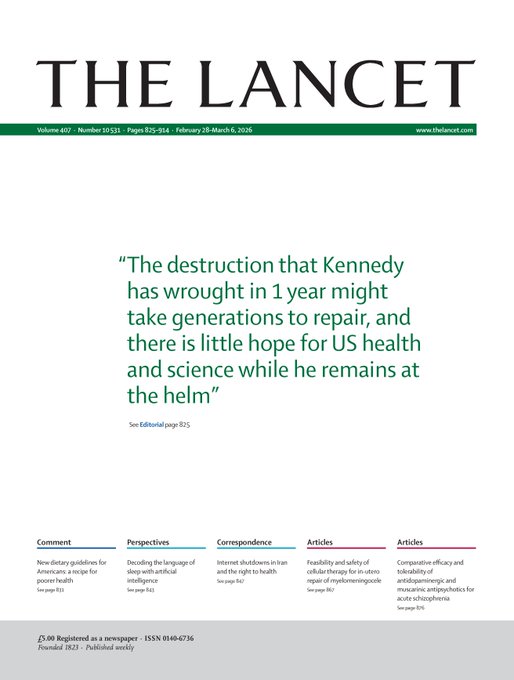
Among his justifications is the elimination of Iran's nuclear program, which is a worthy goal. But Mr. Trump declared that program "obliterated" by the strike in June, a claim belied by both U.S. intelligence and this new attack. The contradiction underscores how little regard he has for his duty to tell the truth when committing American armed forces to battle. It also shows how little faith American citizens should place in his assurances about the goals and results of his growing list of military adventures.
Mr. Trump's approach to Iran is reckless. His goals are ill-defined. He has failed to line up the international and domestic support that would be necessary to maximize the chances of a successful outcome. He has disregarded both domestic and international law for warfare.
A responsible American president could make a plausible argument for further action against Iran. The core of this argument would need to be a clear explanation of the strategy, as well as the justification for attacking now, even though Iran does not appear close to having a nuclear weapon. This strategy would involve a promise to seek approval from Congress and to collaborate with international allies.
He instead treats allies with disdain. He lies constantly, including about the results of the June attack on Iran.He has failed to live up to his own promises for solving other crises in Ukraine, Gaza and Venezuela. He has fired senior military leaders for failing to show fealty to his political whims. When his appointees make outrageous mistakes - such as Defense Secretary Pete Hegseth sharing advanced details of a military attack on the Houthis, an Iranian-backed group, on an unsecured group chat - Mr. Trump shields them from accountability. His administration appears to have violated international law by, among other things, disguising a military plane as a civilian plane and shooting two defenseless sailors who survived an initial attack.
Mr. Trump's failure to articulate a strategy for this attack has created shocking levels of uncertainty about it. The attack has succeeded in killing a brutal dictator, but it remains unclear what comes next. Mr. Trump has offered no sense of why the world should expect this regime change to end better than the versions in Iraq and Afghanistan at the start of this century. Those wars toppled governments, but understandably soured the American public on open-ended military operations of uncertain national interest, and they embittered the troops who loyally served in them.
Now that the military operation is underway, we wish above all for the safety of the American troops charged with conducting it and for the well-being of the many innocent Iranians who have long suffered under their brutal government. We lament that Mr. Trump is not treating war as the grave matter that it is.

Overnight, Trump started an illegal war without approval from Congress and against the wishes of the American people. This war will bring needless death and destruction - risking American lives and civilian casualties.Congress must bring up a War Powers resolution immediately. Nadler BlueSky Post


After removing tens of thousands of files, the Department of Justice currently makes public about 2.7 million pages of documents related to Jeffrey Epstein, a CBS News analysis found, a number below the Department's initial claim of 3 million, and a total that continues to fluctuate.
The Justice Department initially said that its release, made in response to a law passed by Congress compelling the agency to disclose nearly all files related to Epstein, comprised more than 3 million pages. Combined with previously released materials, the Department put the total at 3.5 million pages.
And now, in part in response to widespread criticism and concern from survivors and their attorneys that the files contain nearly 100 survivors' personal information and photos, the DOJ has scrambled to remove documents. A CBS News analysis found that as of late February, the Justice Department has taken down more than 47,000 files comprising about 65,500 pages. Links to those files now return a "page not found" error on the department's website.
Some of those removed documents contained explicit images or survivor information - including one document with unredacted photos of 21 survivors along with most of their birthdates. But the reasons for other files' removal is unclear, such as a call log with all names redacted and images of Epstein's jail bunk where investigators say he hanged himself. The Justice Department appears to be putting some removed files back up.
Deputy Attorney General Todd Blanche said the department reviewed 6 million total pages, meaning what it initially released constitutes less than half of the total. He said the DOJ withheld files to protect survivors and ongoing investigations, but lawmakers, who have access to the unredacted trove, have criticized the redactions, arguing that some protect powerful men instead of survivors.
The records that the Justice Department have released have led to international fallout and high-profile resignations. Journalists, investigators and online sleuths are continuing to uncover new details of Epstein's sex trafficking operation and the figures that remained in his orbit even after his crimes were exposed.
The vast majority of the total pages the Justice Department released in response to the new law were made in a massive, three-part document dump on Jan. 30 that lacked chronology or categorization and was rife with duplicates. In addition to removing files, the Justice Department removed the ability to download the files en masse. Although it provided a search engine as mandated by law, the results it returns are inconsistent.
With one document dump on Jan. 30, the Justice Department dwarfed in size any prior Epstein file release. The documents released at or shortly after the deadline required by law numbered about 39,000 pages. The more recent release was initially 2.7 million pages, CBS News' analysis found.
These documents were released by the House Oversight Committee in 2025, before Congress passed the law in November compelling the Justice Department to release all files. Many of these documents were held by Epstein's estate, which turned them over to the Congressional committee. The releases include thousands of pages of emails, including some that referenced President Trump, flight logs and court documents. It also contains Epstein's 50th "birthday book" with messages from associates, including Trump. The congressional committee also released photos, including several showing high-profile figures including President Trump, former President Bill Clinton, Woody Allen and Bill Gates. All denied any criminal wrongdoing in relation to Epstein.
However, most of these documents had already been public by the time the committee released them last fall, including the investigative records, court files and videos from the Metropolitan Correctional Center in Manhattan, where Epstein was incarcerated. As a result, many are duplicative of files stored elsewhere in the DOJ’s online tranche of Epstein files.
The first lawsuits against Epstein were filed from 2008 to 2010 by anonymous women who said they were recruited to give Epstein massages, but were sexually assaulted. All were dismissed. But in 2019, after federal charges were filed and Epstein died by suicide, another wave of survivors filed lawsuits against his estate, many of which were settled through the Epstein Victims' Compensation Fund by 2021. The fund offered payments to nearly 150 people, paying out over $121 million, it said in a press release.
Much of the material from FBI investigations was redacted, including interview summaries with associates, survivors and other key witnesses, subpoenaed phone and social media records and bank records.
What’s missing? Deputy Attorney General Todd Blanche said that the DOJ withheld duplicate files, files that they would jeopardize active investigations, child sexual abuse material, and files that would reveal survivors' personal information. The Justice Department said they are preparing written justifications for the redactions and will publish them in the Federal Register.
But questions remain on what those files contain. The Justice Department appears to have withheld records from an interview with a woman who accused President Trump of sexually assaulting her when she was a minor, NPR first reported. Serial numbers stamped on the bottom of each document indicate several from this interview are missing. The DOJ is now reviewing whether these files were wrongly withheld.
The DOJ has also removed at least 65,527 pages, CBS News found. Several are photos from the Metropolitan Correctional Center, where Epstein was held and died in 2019, including photos of his cell and prescription medications found there. Others are photos of hard drives and computers, and other evidence investigators gathered on the cases, like file folders whose contents are unclear or a bag whose label said it contained the ligature discovered around Epstein's neck. Some are photos of women or girls that were already redacted. One removed photo, which has since been restored, showed Commerce Secretary Howard Lutnick with Epstein on Epstein’s private island. Lutnick has not been accused of any wrongdoing in relation to Epstein, and in a congressional hearing said he had "nothing to hide."
Some redactions in files that remain online obscure some broad swaths of documents without explanation, including FBI interviews with witnesses and a document labeled as a grand jury transcript. Lawmakers can request to review the full, unredacted files in person. Rep. Ro Khanna (D-CA) was among those who made a request, and came back with the names of six men in contact with Epstein whose names had been redacted, but did not accuse them of criminal wrongdoing.
The unreleased documents likely include files obtained from Epstein's computers, hard drives and other electronic devices. Emails from FBI engineers described terabytes of data that the FBI obtained from phones, tablets, cameras, servers and laptops. Some of the files list some of those devices seized from Epstein. While a vast tranche of emails, photos and videos included in the most recent release, their combined file size is far smaller than what investigators described, CBS News's analysis found. Many emails contain attachments that were not released.
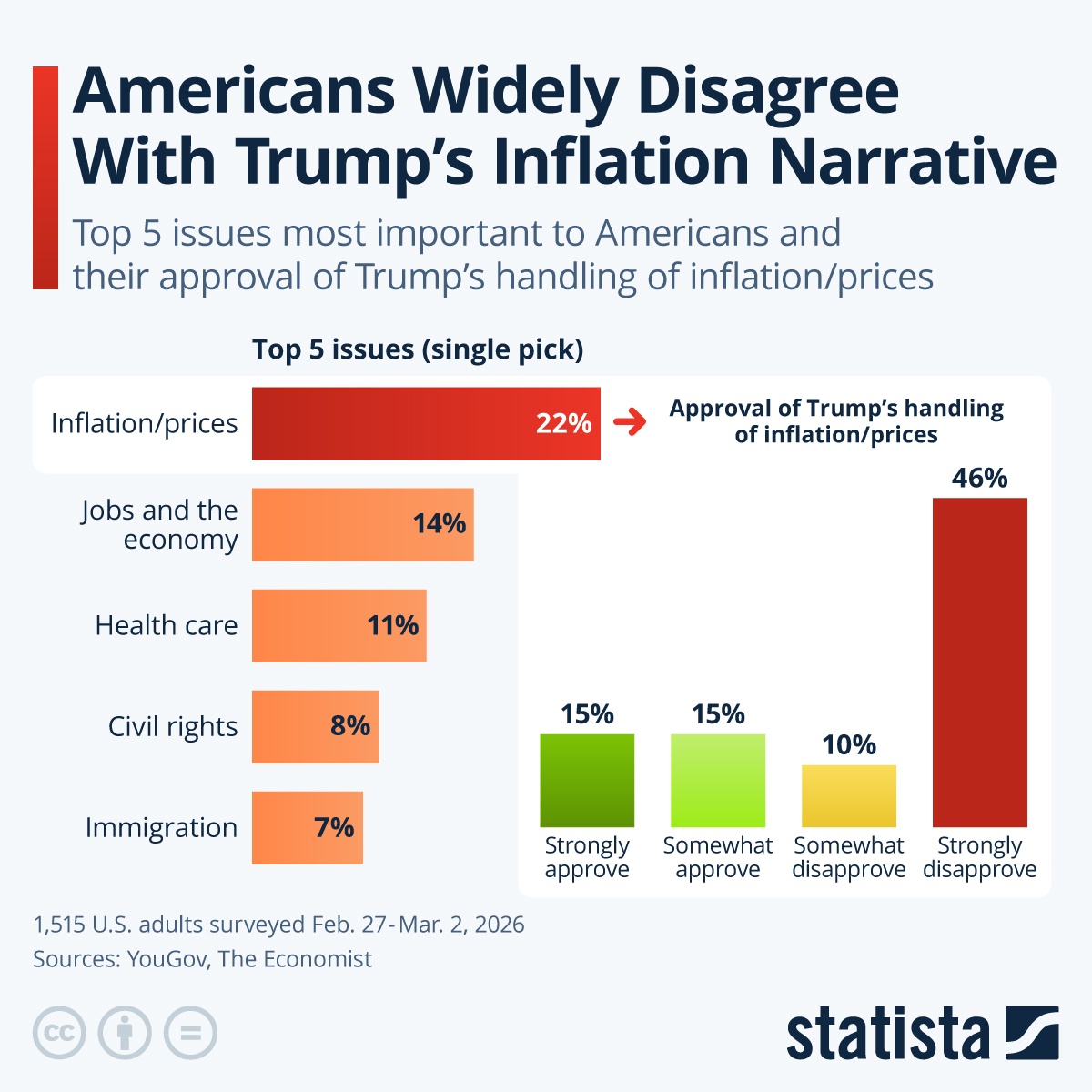
Prasad was appointed last year as director of the FDA's Center for Biologics Evaluation and Research, a position with heavy influence over the regulation of vaccines and other medical products. But his tenure has been dogged by controversy.
Then in November, Prasad sent a memo to FDA staff in which he wrote that Covid shots had killed at least 10 children and that "we do not have reliable data" on the vaccines' benefits in healthy kids. He did not provide evidence, such as documentation of the deaths, to support the claim. Twelve former FDA commissioners subsequently denounced the statements in the New England Journal of Medicine. The Centers for Disease Control and Prevention's own research has consistently found that Covid vaccines and booster shots protect against severe illness in children.
A critic of vaccine and mask mandates during the pandemic, he questioned whether there was sufficient data to support the authorization of Covid boosters. Under Prasad's leadership, the FDA narrowed its approval of Covid boosters last year to adults 65 and older and people at risk of severe illness. During his time in the role, the FDA in February rejected Moderna's application for an mRNA-based flu vaccine, though the agency later reversed course and agreed to review it.
Prasad's departure is the latest in a recent string of leadership shake-ups at federal health agencies. Jim O'Neill stepped down last month as acting CDC director and was replaced by Dr. Jay Bhattacharya, who also directs the National Institutes of Health. O’Neill had taken over from Susan Monarez, who served as CDC director for just 29 days. Monarez said in testimony before the Senate Committee on Health, Education, Labor and Pensions that Health Secretary Robert F. Kennedy Jr. had fired her because she refused to blindly approve vaccine guidance changes. Kennedy has disputed her account.
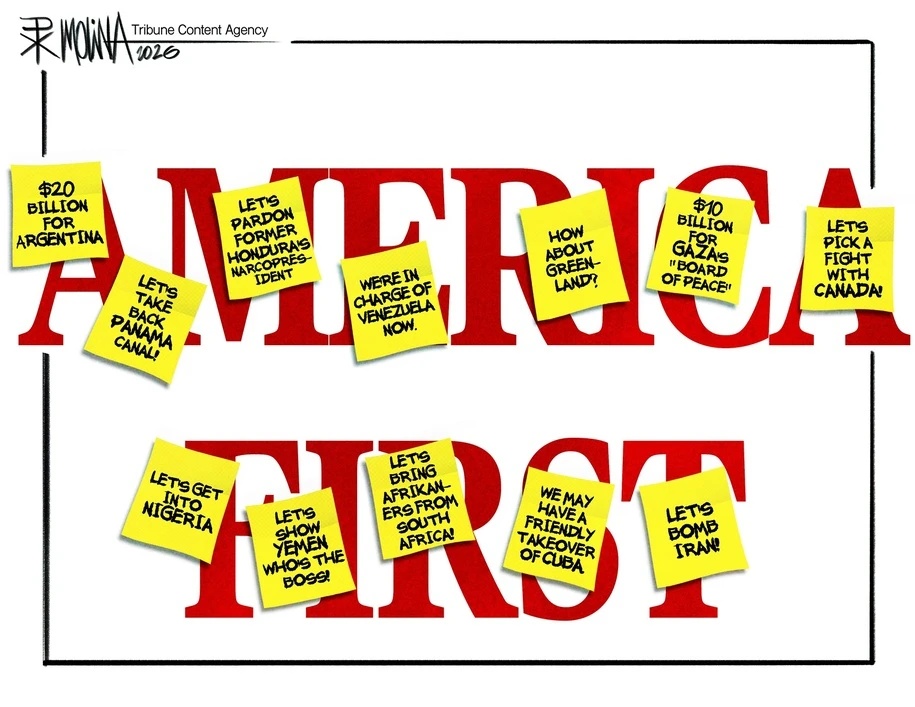
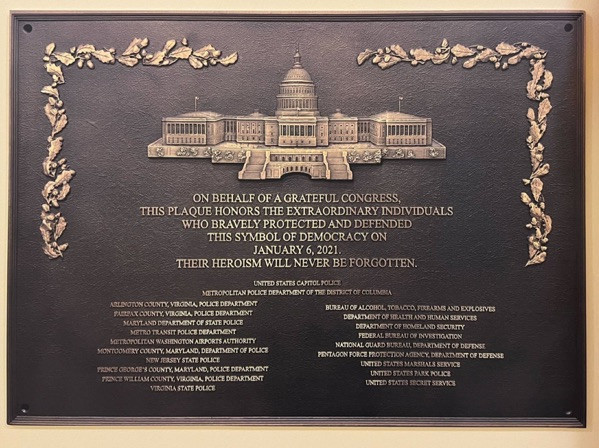
The mob of rioters who violently forced their way past police and broke in were echoing Trump's false claims of a stolen election after the Republican was defeated by Democrat Joe Biden. The crowd stopped the congressional certification of Biden's victory for several hours, sent lawmakers running and vandalized the building before police regained control. More than 140 officers from the U.S. Capitol Police, the Metropolitan Police Department and other agencies were injured.
The fight to have the plaque installed came as Trump returned to office last year and the Republican Congress has remained loyal to him. Trump, who has called Jan. 6 a "day of love," has tried to deflect blame on Democrats and police for instigating the attack, and many Republicans in Congress have downplayed the violence.
Congress passed a law in 2022 that set out instructions for the honorific plaque listing the names of officers "who responded to the violence that occurred." It gave a one-year deadline for installation, but the plaque never went up. Democrats who were angry about the missing plaque installed replicas of it outside their offices and called on the GOP leadership to erect it or explain why it was missing.
After more than a year of silence - and a lawsuit from two officers who fought at the Capitol that day - Johnson's office put out a statement on Jan. 5, the night before the fifth anniversary of the attack, that said the statute authorizing the plaque was "not implementable" and the proposed alternatives also "do not comply." Tillis went to the Senate floor later that week and passed a resolution, with no objections from any other senators, to place the plaque on the Senate side.
The original statute said that the plaque should be placed "on" the west front of the Capitol — not near it — and that the officers names should be listed on the plaque itself. The new installation has a nearby sign with a QR code that leads to a 45-page document listing the thousands of names of the officers who responded to the Capitol that day. "The weight of a judicial ruling would help secure the memorial against future tampering," Daniel Hodges said. "Our lawsuit persists."
Hodges and a former U.S. Capitol Police officer, Harry Dunn, said in the lawsuit that Congress was encouraging a "rewriting of history" by not following the law and installing the plaque. "It suggests that the officers are not worthy of being recognized, because Congress refuses to recognize them," the lawsuit says. The Justice Department has sought to have the case dismissed. U.S. Attorney Jeanine Pirro and others argued that Congress "already has publicly recognized the service of law enforcement personnel" by approving the plaque and that displaying it would not alleviate the problems they claim to face from their work.
Hodges, Dunn and other officers who have told of their experiences that day have been repeatedly criticized and threatened by people loyal to Trump who say the officers are lying. Some officers say they are still struggling. The lawsuit says that "both men live with psychic injuries from that day, compounded by their government's refusal to recognize their service."
New York Rep. Adriano Espaillat, the top Democrat on the spending committee that oversees the legislative branch, said "our Capitol Police deserve more" and that he would continue to push Johnson on the issue. "Make no mistake: they did this at 4AM so no one would see, no ceremony, no real recognition," Espaillat posted on X.
Aides noticed the problem early in Trump's first presidency-he didn't read the PDB. So what do you do when you have a grown man who refuses to read? You turn the President's Daily Brief into a picture book. According to multiple current and former intelligence officials, CIA officers arrived in the Oval Office laden with what Director Mike Pompeo proudly called "killer graphics"-maps, charts, photographs, videos. The written brief was condensed to a single page. Bullet points only.
When even that didn't get Granddaddy to read the PDB, National Security Council officials discovered a reliable workaround: insert Trump's name into as many paragraphs as possible. As one former CIA officer confirmed, the logic was straightforward-Trump kept reading if he was mentioned. By his second term, officials were reportedly exploring a more ambitious solution: turning the President's Daily Brief into a Fox News-style video segment, potentially staffed by actual Fox News producers. Again, it didn't work. Eventually, his staff sort of gave up.
As of this week, Trump has received his intelligence briefing fourteen times since taking office. Fourteen times. There's a reason that his intelligence doesn't keep the president informed-he can't be trusted. In 2019, Trump tweeted out a classified satellite photograph-essentially declassifying one of America's most sophisticated surveillance tools in a social media post. After that senior moment, intelligence officers resolved never again to bring highly classified images to the Oval Office in standard format. Their solution: enlarge them to poster size. So the president could not pocket them.
This is the toddler system that was managing the most powerful military in human history. And everyone involved-the officers, the advisors, the cabinet, the party-looked at this arrangement and approved turning the Oval Office into a romper room.
Filing two lawsuits, one in the U.S. District Court in the Northern District of California and the other in the D.C. Circuit Court of Appeals, Anthropic alleged that the federal government's moves to cut off the company go beyond a normal contract dispute and instead represent an "unlawful campaign of retaliation." The company said its "reputation and core First Amendment freedoms are under attack" and that it will seek to prevent the Trump administration from implementing the bans.
Anthropic said the supply-chain risk designation and messaging from the White House was already "jeopardizing hundreds of millions of dollars," illegally ignored required procedures and overstepped presidential authority.
"Seeking judicial review does not change our longstanding commitment to harnessing AI to protect our national security," an Anthropic spokesperson told NBC News, "but this is a necessary step to protect our business, our customers, and our partners. We will continue to pursue every path toward resolution, including dialogue with the government."
In addition to the Defense Department, Anthropic is suing several other federal agencies, including the Treasury, State and Commerce Departments, and their top officials. Among others, Anthropic listed Treasury Secretary Scott Bessent, Health and Human Services Secretary Robert F. Kennedy, Jr., and outgoing Secretary of Homeland Security Kristi Noem as defendants.

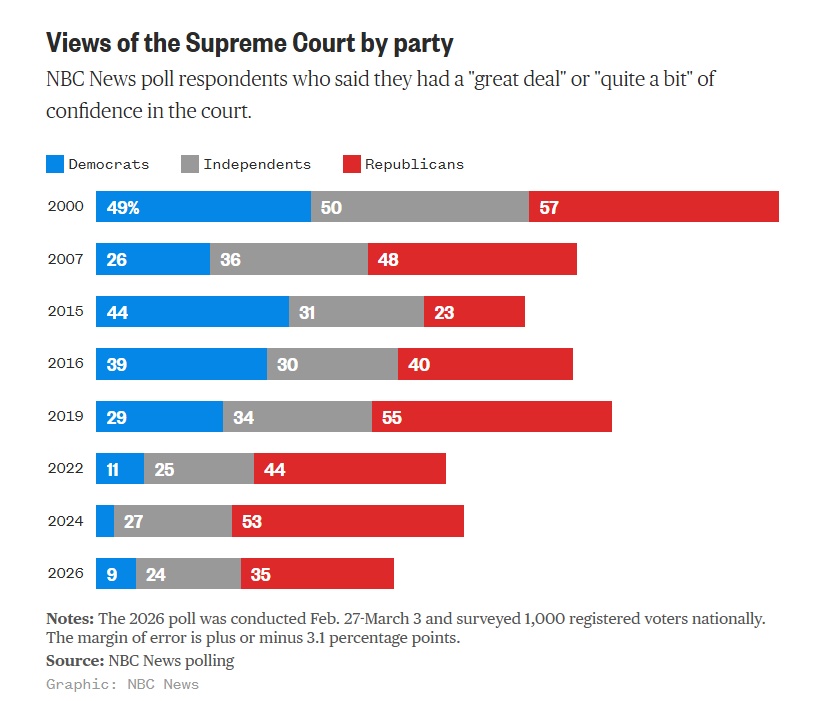

"A mountain of evidence suggests that the Government served these subpoenas on the Board to pressure its Chair into voting for lower interest rates or resigning," Judge James Boasberg, the chief judge on the U.S. District Court for Washington, D.C., wrote in a court filing.
Boasberg continued: "On the other side of the scale, the Government has produced essentially zero evidence to suspect Chair Powell of a crime; indeed, its justifications are so thin and unsubstantiated that the Court can only conclude that they are pretextual."
"The Court therefore finds that the subpoenas were issued for an improper purpose and will quash them," the order states. "No one—certainly not the chair of the Federal Reserve—is above the law," Powell said in an unprecedented Sunday night video statement Jan. 11. "But this unprecedented action should be seen in the broader context of the administration's threats and ongoing pressure."
The judge's order was the latest failed effort by Jeanine Pirro, the U.S. attorney for the District of Columbia, to prosecute members of the political class as President Donald Trump ratchets up his calls to go after his perceived enemies. "No one is above the law, but for the first time a judge’s ruling that a grand jury subpoena -- on its face legal in all regards -- can be ignored, because the judge thinks the subject is beyond reproach. This is a decision that is untethered to the law," she said.
"This is about whether the Fed will be able to continue to set interest rates based on evidence and economic conditions—or whether instead monetary policy will be directed by political pressure or intimidation," he said. "The threat of criminal charges is a consequence of the Federal Reserve setting interest rates based on our best assessment of what will serve the public, rather than following the preferences of the president," he said.
Moments after the judge's order was released, Tillis posted on X, "This ruling confirms just how weak and frivolous the criminal investigation of Chairman Powell is and it is nothing more than a failed attack on Fed independence." "We all know how this is going to end and the D.C. U.S. Attorney's Office should save itself further embarrassment and move on," Tillis continued.

Julian Barnes, who covers intelligence and national security, writes: Absolutely. There is supposed to be a double-check and a triple-check. The strikes on the adjacent Iranian naval base were in the opening moves of the war, so they were precisely the kinds of targets that should have been reviewed. The military officers preparing the strike should have noticed they were potentially working off decade-old data from the Defense Intelligence Agency, and then checked with satellite imagery from the National Geospatial-Intelligence Agency. In the heat of the battle, that is not always done. The stakes of those errors in wartime can be tragically high - in this case, about 175 lives, Iran says.
Too little was done during the COVID-19 pandemic. Other countries outperformed the US in controlling viral transmission and vaccinating their populations. US life expectancy losses were greater than in most high-income countries. By 2023, 37 countries had higher life expectancy than the US. The high US mortality rates produced an enormous death toll. By one estimate, not having achieved the low mortality rates of peer countries cost 13.3 million US lives between 1984 and 2021.
Actions by the Trump administration could escalate this crisis. A pivot has occurred: the nation's inaction in addressing the US health disadvantage has been replaced by something worse, government actions that-intentionally or not—endanger population health. Since taking office, the Trump administration has done the opposite of what experts, policy research, and logic recommend to improve population health. Widening access to health care was recommended, but the Trump administration slashed Medicaid funding by more than $1 trillion and allowed Patient Protection and Affordable Care Act premiums to skyrocket.6 Tighter regulations were recommended, but the administration weakened health and safety regulations in what it called the "biggest deregulatory action in US history."
Education and income are the most powerful social determinants of health, but the administration began dismantling the Department of Education and adopted economic policies that tightened the vise on all but the wealthiest households. Job and wage growth slowed, prices increased, and social welfare programs were defunded to finance regressive tax cuts, what some consider the largest wealth transfer in US history.8
The administration began dismantling the nation's premiere health agencies, firing thousands of workers, replacing top scientists with ideologues, and terminating vital programs on disease surveillance, tobacco control, chronic diseases, injury prevention, firearms, primary care, mental health, and more. It cut medical research funding by more than $1 billion and banned work on health inequities and other topics disliked by the president.
Secretary Kennedy took steps to decrease vaccine use, risking the return of preventable infectious diseases. Inexperienced advisors, who replaced vaccine experts on the Advisory Committee on Immunization Practices, began undoing childhood and COVID-19 vaccine recommendations. Kennedy canceled messenger RNA vaccine research, weakening the nation's capacity to produce vaccines rapidly in future pandemics.6 Kennedy stoked parental worries about vaccine safety and encouraged states to drop school mandates for childhood immunizations. Levels of vaccine coverage and herd immunity waned.6 Measles cases reached record highs.
It is as if the government's policy is to no longer concern itself with the health consequences of its choices. Data collection to document the consequences is also ending. Health agencies have idled dozens of databases.10 Along with cutting food assistance, the administration stopped tracking the prevalence of hunger.11 The Environmental Protection Agency stopped considering the cost of human life in cost-benefit analyses.
This disregard for population health extends overseas. The administration banned global health research, slashed humanitarian assistance in low-income or low-resource countries, and gutted the US Agency for International Development, on which more than 100 countries depended. These actions could claim more than 14 million lives worldwide by 2030. Risking planetary health, the administration promoted fossil fuels and opposed climate mitigation.
To be fair, not everyone sees health as their top priority. Strengthening the economy, lowering taxes, satisfying shareholders, or retaining political office often takes precedence for those in power. Some US residents with fervent beliefs are willing to forgo health to preserve personal autonomy, limit government intrusion, or uphold other ideologic principles. The premise that the administration’s policies will compromise health is disputed. Deregulators consider market forces more effective in optimizing outcomes. Vaccine critics like Kennedy see net gain in reducing vaccine exposure; they apply a different risk-benefit calculus, assigning greater risks to vaccines and fewer benefits than conventional science would suggest. Public health has become politicized. Those who distrust data and mainstream scientists may question claims that current policies are harmful.
Policies have consequences. Rural hospitals close when Medicaid funding declines. Injuries increase when safety regulations are lifted. Respiratory illnesses worsen when smokestacks emit more pollutants. Disease outbreaks widen as immunization levels wane. Deaths occur when lifesaving research is canceled. If current policies increase mortality rates, the gap in life expectancy between the US and other countries will likely widen further. The list of countries with better health statistics will grow. These are grim predictions, but a nation that removes health protections, heightens exposure to infectious diseases and toxins, slows scientific advances, and restricts access to health care should expect bad outcomes.
Regardless of their views, people deserve to know when policies will increase their risk of experiencing diseases, injuries, or an early death, even if they will dismiss the warning. When policies put lives at stake, health professionals and organizations must speak out. They cannot count on news organizations to keep the public informed. The duty to present the data with scientific rigor and to clarify how policy changes could help or hurt individuals falls on the health and scientific communities. Academic and scientific institutions should build coalitions to safeguard vital data and surveillance programs, conduct independent assessments that forecast the health consequences of policy choices, and communicate their concerns to legislatures, town halls, and media outlets. Although speaking out carries risks in the current climate, the duty to warn remains, even if it invites recrimination or will go unheeded. Informed consent matters. US citizens may be content to live shorter lives than people in other countries and to accept policies that further compromise their health, but they should do so knowingly.
There was scant data behind ending the Covid vaccine recommendation for pregnant people and children, according to internal memos made public because of a lawsuit against the US Department of Health and Human Services (HHS). The memos overlooked hundreds of studies on the benefits and safety of Covid vaccination and set the precedent for making changes to vaccine recommendations based on ideology instead of evidence, critics say.
As officials make dramatic changes to immunization recommendations in the US, members of Advisory Committee on Immunization Practices (ACIP), several of whom have expressed anti-vaccine views, signaled they are taking up vaccines in pregnancy. The committee, which is scheduled to meet on Wednesday and Thursday, reportedly scuttled plans recently to end recommendations for all Covid vaccines using messenger RNA (mRNA).
On 27 May, Robert F Kennedy Jr, the health secretary and a longtime vaccine opponent, made a unilateral change to Covid vaccine recommendations via a post on X - the first in a series of changes US health leaders have made to reshape recommendations dramatically for routine immunizations in the US. The vaccines would no longer be recommended for "healthy" children and pregnant people in the US, he said.
Two internal memos on vaccination during pregnancy and childhood, both dated 12 May, circulated at US health agencies before the decision, and they have now come to light as part of the lawsuit brought by the American Academy of Pediatrics against the administration. "I was blown away by those memos," said Kevin Ault, an obstetrician and gynecologist who served as an expert for ACIP working groups until outside representatives were excluded. Officials "missed 99% of the data on the topic" they analyzed, he said. Putting together their own evidence base and making decisions via internal memos is "highly unusual", he added.
Naima Joseph, a maternal fetal medicine specialist at Boston Medical Center who served on the ACIP working group for the Covid vaccine, said: "The citations were not evidence-based, but more like biased perspectives." Taking away the recommendations is "not aligned with international recommendations, such as the WHO", she added, and the move put the US out of step with other nations.
Tracy Beth Hoeg, who was at the time the senior adviser for clinical sciences to Marty Makary, the commissioner of the US Food and Drug Administration, wrote a short memo with only 12 citations, including two of her own studies, on Covid vaccines in pregnancy. She pointed out that the initial randomized clinical trials from "Pfizer, Modern [sic] and Novavax excluded pregnant women", but did not note that some people became pregnant during the trials and showed no adverse side effects - and at least 258 studies have since shown the safety and effectiveness of Covid vaccination in pregnancy.
The evidence on Covid vaccination was "misconstrued" and "distorted", Joseph said. Data from the US Centers for Disease Control and Prevention (CDC) shows no increased risk of short- or long-term complications from vaccination, she said: "The data are so reassuring, and it’s really, at this point, a very well-studied vaccine in pregnancy."
The risk of Covid infection, conversely, remains a big concern. Covid infects the placenta, which can lead to poor intrauterine growth, prematurity, stillbirth and other complications. Compared with unvaccinated individuals, people who receive Covid vaccines in pregnancy have a lower risk of complications, keeping recipients out of the hospital and the intensive care unit and preventing pre-term delivery.
Even after years of immunity acquired by infection, "we're still seeing data to support that vaccination helps," Joseph said. Ending the recommendation "puts pregnant women and their infants at higher risk for complications that are preventable", she said.
There are benefits to vaccination in pregnancy that extend far beyond birth. Babies under the age of six months cannot get vaccinated against Covid, and they have one of the highest rates of hospitalization for the virus. Vaccination in pregnancy can help protect them against serious illness. There is also some evidence that forgoing vaccines in pregnancy may lead to delayed or skipped vaccination for babies. "It gets the whole process off to a poor start - if there’s confusion about maternal vaccines, that can bleed over into the first year or two of vaccines for the newborn," Ault said.
A federal judge in Massachusetts blocked the Trump administration from implementing a series of vaccine decisions made by Health Secretary Robert F. Kennedy Jr. The judge, Brian Murphy, a Biden appointee, suggested in his ruling today that the government did not base its decisions on science.
The ruling, which the Trump administration is almost certain to appeal, halted changes Kennedy has set in motion. They includes his decision to cut down the number of vaccines recommended to children and restrict access to Covid vaccines. The judge's move also reversed, for now, all decisions made by the panelists that Kennedy appointed to the vaccine advisory committee.
The ruling came in response to a lawsuit brought by six medical organizations. The groups argued that Kennedy and his appointees had made arbitrary and capricious changes to the childhood vaccine schedule.

https://yourlocalepidemiologist.substack.com/p/a-win-for-your-access-to-vaccines
Trump ordered officials to remove information deemed disparaging to the United States. A review of government documents shows little guidance and striking inconsistencies. A display on slavery was removed from the Independence National Historical Park in Philadelphia in February. A judge has since ordered it restored.
As the Interior Department carries out President Trump's order to remove or hide information at parks and other sites that might "disparage Americans," internal records show striking inconsistencies around the displays the agency is eliminating and those it chooses to keep. An exhibit at Grand Teton National Park in Wyoming about the massacre of Blackfeet Native Americans was ordered removed.
But at a wildlife refuge in Virginia, the agency preserved an exhibit about the harassment and displacement of Tauxenent people. It labeled a display on climate change at a North Dakota wildlife refuge "factual." But it removed similar information at Muir Woods, Acadia National Park and elsewhere.
As the war in Iran entered its third week, Trump called on allies to help the U.S. reopen the critical oil choke point known as the Strait of Hormuz. Today, several countries responded with skepticism or outright rejected his demand.
Top officials in Japan, Italy and Australia ruled out sending forces; Britain’s leader said his country would not be "drawn into wider war"; the E.U.'s top diplomat said the bloc would not expand maritime operations in the region; and Germany's defense minister said, "This is not our war."
Trump responded by disparaging allies that he said had relied on the U.S. for too long. "We don't need anybody; we're the strongest nation in the world," he said.
Last week, as oil prices rose, Trump asked his top general why the U.S. couldn't just reopen the strait. The answer was simple: A single Iranian soldier could zip across it in a speedboat and fire at any vessel that tries to pass.
When free speech is suppressed, freedom dies. https://bsky.app/profile/iamdevil.bsky.social/post/3mh4voqji7223, March 15, 2026.

BREAKING: Judge blocks RFK Jr.'s changes to childhood vaccine schedule. A federal judge in Massachusetts blocked Health Secretary Robert F. Kennedy Jr.'s recent overhaul of the nation's childhood vaccine schedule, which reduced the number of recommended shots from 18 to 11 and dropped recommendations that all babies be protected against hepatitis A, hepatitis B, RSV, dengue and two types of bacterial meningitis.
The ruling stems from a lawsuit brought by the American Academy of Pediatrics and other medical groups against the Department of Health and Human Services, arguing that Kennedy's changes violated federal law.
The decision is a setback for Kennedy, a longtime anti-vaccine activist who promised to restore trust in the public health agencies, but whose controversial policies have created confusion among pediatricians and contributed to more distrust of childhood vaccination, experts say. A recent survey from the Annenberg Public Policy Center of the University of Pennsylvania found that trust in public health agencies has fallen in President Donald Trump's second term.
"Today is a day to celebrate the triumph of science over misinformation," said Dr. Richard Besser, president of the Robert Wood Johnson Foundation. "This is a huge blow to Kennedy’s vaccine policies."
Dr. Andrew Racine, the AAP's president, said the ruling "re-established a degree of clarity" about childhood vaccinations. "If anyone has any questions about what's the appropriate vaccine schedule for their children, the best thing to do is to talk to their pediatricians."
That tracks. Operation Epic Fury is accurate branding for the war, Peter Baker writes. By the president's own description, everything he does is epic - the most, the biggest, the best. And Trump is certainly driven by fury. Anger is at the heart of much of his work. He chose the name himself.
Here's one (epic) paragraph of Peter's analysis: Anger defines Mr. Trump's decade on the political stage. Anger at foreigners who come to this country and change its nature. Anger at allies who take advantage of America. Anger at Democrats who cross him. Anger at Republicans who cross him. Anger at appointees he deems insufficiently loyal. Anger at prosecutors, F.B.I. agents, judges, journalists, law firms, elite universities, cultural figures, corporate leaders, pollsters, central bankers and the Norwegian Nobel Committee.
US District Court Judge Brian E. Murphy said the sweeping overhaul of federal vaccine recommendations by Health and Human Services (HHS) Secretary Robert F. Kennedy Jr. likely violated a law that governs how public policy changes are made, as did Kennedy’s firing of all 17 members of an influential immunization advisory panel. The ruling means that, at least for now, the federal government must restore vaccination recommendations in place when Kennedy took office, and that the advisory panel—the Advisory Committee on Immunization Practice (ACIP)-cannot take any legal action.
Murphy's decision was made in response to a lawsuit filed by the American Academy of Pediatrics (AAP) and other leading medical groups, which claimed that the Trump administration violated the Administrative Procedure Act, a law that forbids public officials from making policy changes that are "arbitrary and capricious."
The AAP filed suit against HHS in July 2025 over Kennedy's unilateral changes to COVID vaccine recommendations for children and pregnant women. The suit was amended in January after HHS took a hatchet to the US pediatric immunization schedule, slashing the number of recommended vaccines from 17 to 11.
Murphy agreed with the medical groups that Kennedy bypassed the scientific process and didn't follow proper administrative procedures. Thirteen of Kennedy's handpicked ACIP appointees "appear distinctly unqualified," Murphy wrote. In response to the ruling, the Centers for Disease Control and Prevention (CDC) canceled the ACIP meetings scheduled for tomorrow and Thursday.
Although Murphy's ruling doesn't bar Kennedy from seating additional members on the committee, Hughes said the medical groups are likely to challenge any appointment that doesn't follow established procedure. "If we see additional appointments to ACIP, you can rest assured that we will act," Hughes said.
Hughes said he has asked to see public records leading up to Kennedy's restrictions of vaccine access, including his decision to stop universally recommending COVID vaccines and the announcement that the United States would follow Denmark’s vaccine schedule. The records made public so far present an incomplete picture, Hughes said.
"We're probably going to file a motion to complete the record if the record is incomplete," Hughes said. If needed, "we're probably going to ask for extra record discovery that may go as far as asking for some depositions."
The judge issued stays rather than a traditional injunction. This was likely a deliberate choice because it makes the overall ruling more difficult to challenge. The use of nationwide injunctions was limited in the Supreme Court's 2025 ruling in Trump v. CASA, but under the Administrative Procedure Act, stays operate on a different legal footing. Critics of the ruling, including some ACIP members, argue that the distinction is purely cosmetic. Regardless, the practical effect is the same: everything the administration has done to vaccine policy since June 2025 is on hold-pending a full ruling on the merits of the case.
American Academy of Pediatrics v. Kennedy Memorandum & ORDER - Document #291 March 16, 2026
Trump has complained about war coverage in both specific and general ways. In a social media post, he said news reports exaggerated the damage to planes that were attacked by Iran at an airport in Saudi Arabia. He attacked “Corrupt Media Outlets” for falling for AI-generated false reports created by Iran and said the media "hates to report" how well the U.S. military has performed.
Decades of court decisions have generally sided with the press over government attempts to regulate the content it produces. But Carr said making changes is in the best interest of legacy media outlets because so many people don't trust them.His ability to make changes, however, is limited.
The FCC does not regulate networks like CBS, NBC and ABC — although it does have the authority to reject the licenses of individual affiliates of those networks when they come up for renewal. Cable news networks CNN, Fox News Channel and MS NOW are not under the FCC’s purview. The Trump message that Carr retweeted mentioned only The New York Times and The Wall Street Journal specifically, and the FCC has no authority over newspapers.
Punishing a television affiliate for war coverage that Carr objects to is likely to run afoul of the law, noted First Amendment attorney Floyd Abrams in an interview Monday. "The broadcast media is always at risk of a sort that newspapers are not. But at its core, they are protected by the First Amendment," Abrams said, :and these statements by the chairman seem to me are directly threatening First Amendment interests and First Amendment principles."
Abrams said he'd argue that robust war reporting is just the sort of public interest work that television stations should be doing to justify their licenses. Intimidation may be Carr's motive. And that doesn't have to mean intimidating a news outlet to pull its punches, said Barbara Starr, a former CNN Pentagon correspondent. "The risk is the climate they create," she said. "Are people going to be afraid to talk to reporters? Some of them will be, and that's a serious matter."
Voter fraud almost never happens in the United States. Still, in order to prevent it, President Trump is pushing Republicans to pass the SAVE America Act, an election law that would, among many provisions, require people to show photo identification to vote. It's a solution in search of a problem — a solution that narrowly passed in the House last week and is now under debate in the Senate. The law is unlikely to pass there, given deeply felt opposition from Democrats who can block it with a filibuster. Republicans lack the 60 votes they need to overcome one.
Trump insists they pass the law anyway, even if they have to kill the filibuster to do so. (Some Republicans don't want to do that, since eventually they may need the device to block the other side.) He said he would not sign any other legislation until the bill made it to his desk. It’s his "No. 1 priority," he said, and would "guarantee" the midterm elections for the Republicans. "If you don't get it - big trouble," Trump told them last week.
Most Americans support the idea of voter identification, polls say. We show driver's licenses and passports all the time - to go on planes, to register at hotels, to buy indica at a dispensary. Show ID at a polling place? Sure.
But voter identification is not really what the SAVE America Act is all about, according to Democrats and election experts who oppose it. (Its full name is the Safeguard American Voter Eligibility Act.) They say it's about disenfranchisement. They say that it could hand the Trump administration data it could distort to claim widespread voter fraud when Republicans lose races. Here are the ways the law would change voting - and the complications that could emerge from its passage.
It would require voters to prove their citizenship in person when registering to vote. They would need to do so every time their registration changes - when they move, say, or change their name or party affiliation.
What's so bad about that? Maybe you have an enhanced driver's license that proves your citizenship. Maybe you have a passport, or naturalization papers. Let me ask you: Do you know where your birth certificate is? My colleague Nick Corasaniti, who covers voting and elections, pointed me toward a study that found that nearly 10 percent of American citizens of voting age don't have proof of citizenship at hand - if they have the papers at all.
The bill would curtail voting by mail. Would you photocopy your driver’s license or passport and send it in the mail, just to request a ballot? I might. But first I’d need to find a working photocopier. And then I’d have to use it again when sending my ballot in. Anything that introduces friction to the voting process, election experts say, leads to less voting. The bill would require states to send voter information to the Department of Homeland Security. Some state election officials don't like that idea at all: What are federal officials doing with that information? How safe is it? How open to manipulation? And the legislation would require compliance within days, without providing funding to support it. Local election offices aren't set up to collect copies of photo identification for mail-in ballots. They would need to spin up whole new processes to verify citizenship status, instantly. (Realistically, those efforts take staffing and time.) And should states fail to make these changes quickly enough, they wouldn't be allowed to count mailed ballots.
When President Donald Trump asked countries to join a global effort against Iran and deploy ships to prise open the Strait of Hormuz, whose near closure has held the global economy in a vice, he was rebuffed by some of America's closest allies.
European leaders have refused to get involved directly in the US and Israeli military operation against Iran, wary of getting sucked into an unpredictable conflict which is unpopular with their own citizens and whose aims they do not fully understand.
In doing so, they are calculating that the benefits of staying on the sidelines outweigh the multiple risks to transatlantic ties that are already under severe strain.
Director of National Intelligence Tulsi Gabbard did not say at a Senate Intelligence Committee hearing if Iran's nuclear program presented an "imminent threat," deflecting questions about whether U.S. intelligence backed up White House statements on the rationale for launching the war.
Gabbard has not publicly endorsed the decision to go to war and had stayed mostly silent. During the hearing on worldwide threats, she omitted language from her written remarks that stated Iran had not tried to rebuild its uranium enrichment capability after last year's U.S. airstrikes. That assessment appeared to contradict what Trump has said.

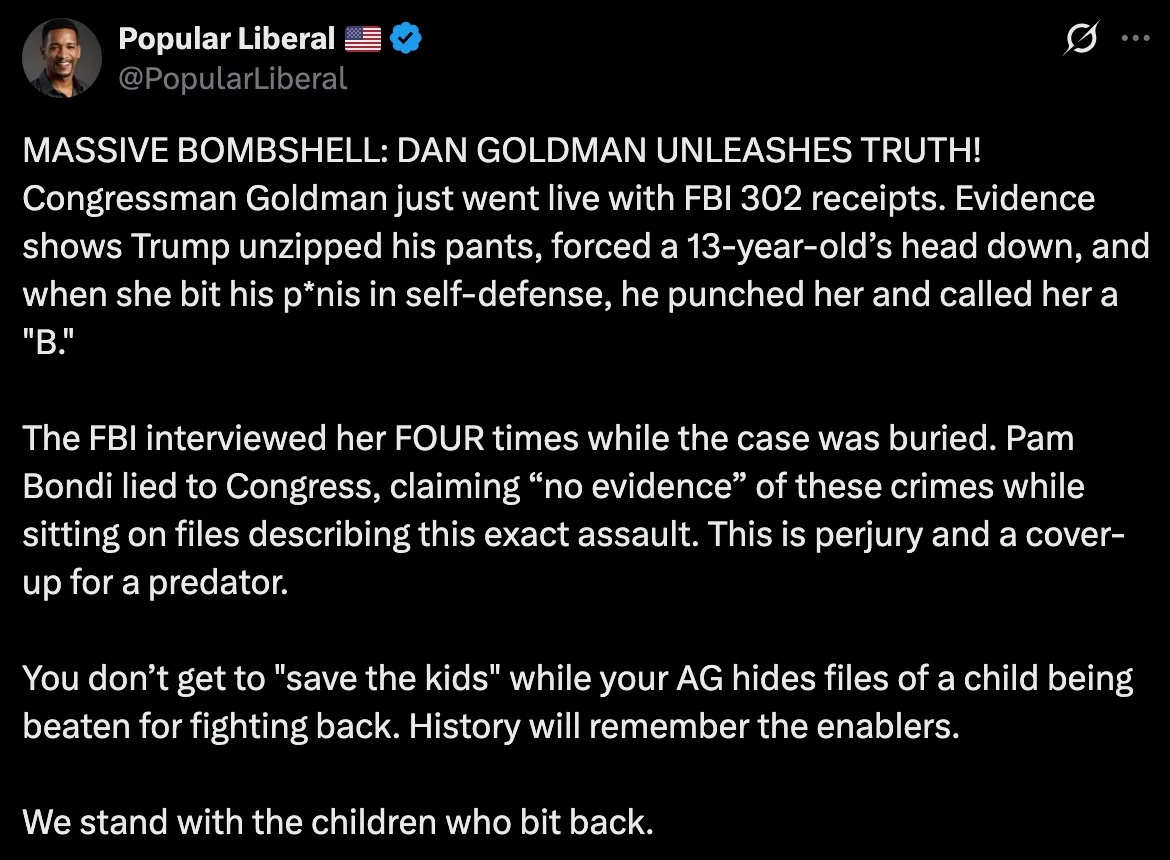


Graphic source: https://bsky.app/profile/onewickedwonka.bsky.social/post/3mhjyqw6wps2g
Three major reports out this month say President Trump has done serious damage to American democracy at remarkable speed since his return to the White House. An annual report from V-Dem, an institute at Sweden's University of Gothenburg, concluded democracy had deteriorated so much in the U.S. that it lowered the country's democracy ranking from 20th to 51st out of 179 countries.
Meanwhile, Bright Line Watch, which surveys more than 500 U.S. scholars, concluded that the U.S. system now falls nearly midway between liberal democracy and dictatorship.
Yet another report out Thursday from Freedom House, a Washington, D.C.-based democracy think-tank, said that among free countries, the U.S. joined Bulgaria and Italy in registering the largest declines in political rights and civil liberties last year.
"The developments in the United States are moving towards dictatorship, what the founders wanted to avoid," said Staffan Lindberg, the V-Dem Institute's founding director, who spent seven years in the U.S. "It's the most rapid decline ever in the history of the United States and one of the most rapid in the world."
Lindberg said V-Dem downgraded America's rating based on the Trump administration concentrating executive power, overstepping laws, circumventing the Republican-led Congress as well as attacks on the news media and freedom of speech. Lindberg, a political scientist, is struck by the speed with which Trump has acted.
"Under the Trump administration, democracy has been rolled back as much during just one year as it took Modi in India and Erdogan in Turkey 10 years to accomplish, and Orban in Hungary four years," said Lindberg, referring to Indian Prime Minister Narendra Modi, Turkish President Recep Tayyip Erdogan and Hungarian Prime Minister Viktor Orbán. All three of those leaders came to power through democratic elections, but scholars say they have since undermined checks and balances on executive power to try to ensure they remain in office.
Scholars are alarmed by Trump's blitz on the U.S. system of governance, but John Carey, a co-director of Bright Line Watch, says the United States' democracy rating might have slid even further in recent months if not for the courts pushing back.
Carey says autocrats try to co-opt or pressure government institutions that serve as referees but notes that didn't work last month as the Supreme Court ruled against the president on tariffs."One of the things that the tariff decision suggested [is] he has not fully captured that set of referees," said Carey, a professor of political science at Dartmouth, "and that's the most important set." Brendan Nyhan, a fellow Dartmouth professor and Bright Line co-director, adds that just because Trump has undermined democracy, doesn't mean the effects are permanent.
"There's just no question that what we're seeing is the authoritarian playbook," said Nyhan, "but there's no guarantee that Trump will be able to operate this way after the midterms, let alone a successor after 2028." Yana Gorokhovskaia, director for strategy and design for Freedom House, says some of Trump's policies abroad also are undermining the country's democratic standing overseas. For instance, the State Department often used to call out election fraud in other countries, but under Trump, it has said it will only comment on foreign elections when the U.S. has a clear and compelling interest.
"What we're losing is democratic solidarity globally," Gorokhovskaia said. "We're no longer emphasizing ... a distinction between democracies and autocracies in the world." That doesn't mean the U.S. doesn't take sides in foreign elections. Just last month, Secretary of State Marco Rubio publicly endorsed Orbán, Hungary's autocratic leader, for a fifth term.
A total of $51m for the second half of 2025 remains unaccounted for due to this technical error, according to the Center for Political Accountability (CPA), a non-profit that tracks corporate spending. Researchers at the CPA noticed the discrepancy in February, when donor and spending lists from the year before are typically made public after a 31 January deadline. But so far, the disclosures remain blank.
The glitch is affecting the financial disclosures of 527 organizations, which are tax-exempt political campaign groups that are overseen by the IRS. Every year, these 527 organizations are required to report itemized lists of donors that contribute more than $200, along with expenditures that total more than $500. These donor and spending lists are typically made public soon after organizations disclose them. But the disclosure lists for multiple 527 organizations covering the second half of 2025 were left blank. In their place is the same message, seen over and over again on filings: "IRS technical issue preventing e-file reporting."
Affected groups include the influential Republican Attorneys General Association (Raga), the Republican State Leadership Committee (RSLC) and the Democratic Legislative Campaign Committee (DLCC)donations to which totaled $41m for the second half of 2025. DLCC's campaign filing included a link to its website [https://www.dlcc.org/dlcc-2025-year-end-irs-8872-report/], where its full disclosure is found.
Typically, campaign groups such as political action committees, or Pacs, are overseen by the Federal Election Commission (FEC). These 527 organizations are the largest groups that are both overseen by the IRS and are explicitly defined as political organizations. Groups on both side of the political spectrum often pool funding to channel money into contested races.
"Entering 2026, the landscape is markedly different. The IRS is simultaneously confronting a reduction of 27% of its workforce, leadership turnover, and the implementation of extensive and complete tax law changes mandated by the [One Big Beautiful Bill] Act," she added.
Report On The Investigation Into Russian Interference In The 2016 Presidential Election Special Counsel Robert S. Mueller, III March 2019
Report On The Investigation Into Russian Interference In The 2016 Presidential Election Volume II of II >Special Counsel Robert S. Mueller, III March 2019
Explore a detailed view of the Mueller report Axios, July 24, 2019
Sherrilyn Ifill @sifill.bsky.social (3/21/2026)
Your reminder to be sure to download and print out the Mueller Report (I did years ago). We should expect that there will come a time when it can no longer be found online.
Early on, the Trump administration told agency staff that political appointees would review all public communications before they went out. In many cases, it left scientists unable to communicate with outside researchers or public health groups. Susan A. Wang, a former immunization adviser in the C.D.C., said:
We had a very stringent scientific process for vetting information that would get published on the C.D.C. website. Everything was checked and double-checked. And for political appointees to take over the means of communication is devastating, and also dangerous. Now, some things are correct and some are not, which means that you can't trust any of it.
Dubious measles remedies
After a child in Texas died of the measles, the health secretary downplayed the outbreak as "not unusual" in cabinet meetings and television appearances, even though it was the largest since the disease was declared eliminated in the United States in 2000. Demetre C. Daskalakis, the former director of the National Center for Immunization and Respiratory Diseases, said:
Even as the outbreak grew, R.F.K. was still just praising the doctors who were giving snake-oil treatments like budesonide, a corticosteroid, and clarithromycin, an antibiotic, to kids with measles and saying how they saved hundreds of lives, which was absolute garbage. We were asked to add those treatments to the measles guidelines. We managed to mitigate that by including the words on the guidelines but saying that none of these were proven. Giving people the wrong medicines delayed lots of care for lots of kids.
Vaccine experts out, compatriots in
Kennedy has replaced members of the Advisory Committee on Immunization Practices, who set the C.D.C.'s vaccine recommendations. The newcomers have less expertise but share his views on vaccination. They've changed vaccine recommendations for flu, hepatitis B, measles, mumps, rubella and varicella. When Fiona Havers, a former medical epidemiologist in the respiratory viruses division, found out about the appointments, she recalled thinking:
I guess my career at C.D.C. is done. I didn't want to be part of any machine that they were going to use to spread false information about vaccines or to take vaccines away. This month, a federal judge temporarily halted Kennedy's reconstitution of the A.C.I.P. and the changes he made to the childhood vaccine schedule. He said the health secretary's changes were "arbitrary and capricious."
A leaderless agency
C.D.C. employees told Jeneen that the agency has been largely leaderless since President Trump took office. Kennedy appointed Susan Monarez acting director last January. She was confirmed in July — and fired less than a month later. She testified before the Senate that Kennedy was leading public health to "a very dangerous place" and that the nation's children would be harmed by his policies.
What to know: Trump is pushing for a voting bill to curb mail-in voting, but he used mail-in voting to cast his ballot in a special election in Palm Beach County held today.
More: Trump was in Palm Beach this weekend, during the election's early voting period, but opted not to vote in person.
A trend: Trump has been criticized in the past for voting by mail while trying to restrict the practice. In 2020, he defended himself by telling reporters that he was "allowed to."
What happened: The Defense Department said yesterday that journalists covering the Pentagon will now be required to work out of an annex.
Context: The move came just days after a judge ruled the Pentagon's requirement that journalists publish only authorized materials, which led to a press corps exodus, violated the First Amendment.
What happened: The Justice Department gave Congress a memo written by then-special counsel Jack Smith saying Trump showed a classified map he kept from his first term to passengers on a private plane in 2022.
Also: The memo also stated that Trump had retained another record so sensitive that only six government officials had access to it.
Judge blocks Trump administration from limiting Anthropic's contracts with the government. A federal judge blocked the Trump administration from designating Anthropic a supply chain risk to national security and cutting off all work with the AI company.
Anthropic sued the Defense Department and other federal agencies this month over the designation. The judge paused her own order for a week to allow the administration time to appeal.

In a highly unusual move, Defense Secretary Pete Hegseth is blocking the promotion of four Army officers to be one-star generals. Two are Black and two are women, and some senior military officials have questioned whether they are being singled out because of their race or gender.
In a disagreement about a separate promotion, Hegseth's chief of staff, Ricky Buria, told Daniel Driscoll, the Army secretary, that Trump would not want to stand next to a Black female officer at military events. Driscoll was shocked, responding, "The president is not a racist or sexist," officials told The Times.
Exclusive: Military officials have raised concerns that the U.S. is going through Tomahawk cruise missiles too quickly in the war with Iran after 850 were used in the first month of the conflict.
Context: Only a few hundred Tomahawk missiles are produced each year, and one official told The Post that U.S. Tomahawk reserves are now "alarmingly low."
Yesterday: Trump spent five minutes in a Cabinet meeting bragging about negotiating $5 personalized Sharpies. Sharpie said the detailed conversation Trump related never happened.
The Sharpies: Trump's personalized Sharpies reflect his aesthetic preferences, with the black markers saying "The White House" in gold lettering.

What happened: In a Supreme Court brief arguing against birthright citizenship, Trump administration lawyers cited Alexander Porter Morse, a 19th-century Confederate officer and pro-segregation lawyer.
Background: Trump signed an executive order calling for an end to birthright citizenship at the start of his second term, using a radical reinterpretation of the 14th Amendment that goes against more than a century of precedent.
What to know: The Trump administration today proposed allowing employees to use their workplace retirement plans to invest in "alternative assets," including private equity and cryptocurrencies.
Next: The proposal is a draft rule, which requires a period for public feedback before it can be implemented.
A District Court judge has found that a Trump White House executive order to defund NPR and PBS violated the First Amendment and is therefore "unlawful and unenforceable." It wasn't immediately clear what the decision, which could be appealed by the administration, would mean for the future of federal funding of public broadcasting.
In his ruling, Judge Randolph D. Moss of the U.S. District Court for the District of Columbia, said "the First Amendment draws a line, which the government may not cross, at efforts to use government power - including the power of the purse - 'to punish or suppress disfavored expression' by others."
Trump's executive order stated: "Which viewpoints NPR and PBS promote does not matter. What does matter is that neither entity presents a fair, accurate, or unbiased portrayal of current events to taxpaying citizens." The president's order and materials that accompany it accuse the public broadcasters of ideological bias, in NPR's case due to its news coverage. The networks deny this.
"It is difficult to conceive of clearer evidence that a government action is targeted at viewpoints that the President does not like and seeks to squelch," Moss said. Under the Constitution, the U.S. government cannot discriminate against people on the basis of the views they express; for news outlets, this extends to news coverage.
The president insisted that all of the $1.1 billion that he and Congress had earlier agreed to set aside for public media outlets, including NPR and PBS member stations, be clawed back. The Republican-led Congress acquiesced. The ruling however would enable a future Congress to resume funding public media if it chose to do so. It also establishes the right of local public media stations that take federal subsidies to make their own programming decisions without government pressure - including on whether to take NPR or PBS shows.
In a statement, NPR said the ruling "is a decisive affirmation of the rights of a free and independent press - and a win for NPR, our network of stations, and our tens of millions of listeners nationwide." "Public media exists to serve the public interest - that of Americans - not that of any political agenda or elected official. NPR and our Member Stations will continue delivering independent, fact-based, high-quality reporting to communities across the United States, regardless of the administration of the day."
NPR's lawyer, Theodore Boutrous, added: "The Court's decision bars the government from enforcing its unconstitutional Executive Order targeting NPR and PBS because the President dislikes their news reporting and other programming," Boutrous said. It publicly documents wrongdoing, potentially damaging reputation and future opportunities, while acting as a serious warning to improve behavior, often remaining on record for years

President Donald Trump is not immune from civil claims that he incited a mob of his supporters to attack the Capitol on Jan, 6, 2021, a federal judge has ruled in one of the last unresolved legal cases stemming from the riot.
U.S. District Judge Amit Mehta ruled Tuesday that Trump’s remarks at his "Stop the Steal" rally, held on the Ellipse near the White House shortly before the siege began, "plausibly" were inciting words that are not protected by the First Amendment right to free speech.
The Republican president is not shielded from liability for much of his Jan. 6 conduct, including that speech and many of his social media posts that day, according to the judge. But Mehta said Trump cannot be held liable for his official acts that day, including his Rose Garden remarks during the riot and his interactions with Justice Department officials.
"President Trump has not shown that the Speech reasonably can be understood as falling within the outer perimeter of his Presidential duties," Mehta wrote. "The content of the Ellipse Speech confirms that it is not covered by official-acts immunity."
The decision is not the court's first ruling that Trump can be held liable for the violence at the Capitol and it is unlikely to be the last given the near-certainty of an appeal. But the 79-page ruling sets the stage for a possible civil trial in the same courthouse where Trump was charged with crimes for his Jan. 6 conduct, before his 2024 election ended the prosecution.
Trump's legal team said in a statement that Trump was carrying out his official duties and that presidents have "absolute immunity from civil and criminal claims for acts in their singular role." Mehta previously refused to dismiss the claims against Trump in a February 2022 ruling that Trump was not entitled to presidential immunity from the claims brought by Democratic members of Congress and law enforcement officers who guarded the Capitol on Jan. 6. In that decision, Mehta also concluded that Trump's words during his rally speech plausibly amounted to incitement and were not protected by the First Amendment.
The case returned to Mehta after an appeals court ruling upheld his 2022 decision. He said Tuesday's ruling on immunity falls under a more “rigorous” legal standard at this later stage in the litigation.
Mehta, who was nominated by Democratic President Barack Obama, said his latest decision is not a "final pronouncement on immunity for any particular act." "President Trump remains free to reassert official-acts immunity as a defense at trial. But the burden will remain his and will be subject to a higher standard of proof," the judge wrote.
The plaintiffs contended that Trump cannot prove he was acting entirely in his official capacity rather than as an office-seeking private individual. They also said the Supreme Court has held that office-seeking conduct falls outside the scope of presidential immunity.
Rep. Bennie Thompson, D-Miss., who at that time led the House Homeland Security Committee, sued Trump, Trump's personal attorney Rudolph Giuliani and members of the Proud Boys and Oath Keepers extremist groups over the Jan. 6 riot. Other Democratic members of Congress later joined the litigation, which was consolidated with the officers' claims.
The civil claims survived Trump's sweeping act of clemency on the first day of his second term, when he pardoned, commuted prison sentences and ordered the dismissal of all 1,500-plus criminal cases stemming from the Capitol siege. More than 100 police officers were injured while defending the Capitol from rioters.
The plaintiffs' legal team includes attorneys from the Lawyers' Committee for Civil Rights Under Law. Damon Hewitt, the group's president and executive director, praised the ruling as a "monumental victory for the rule of law, affirming that no one, including the president of the United States, is above it."
"The court rightly recognizes that President Trump's actions leading to the January 6 insurrection fell outside the scope of presidential duties," Hewitt said in a statement. "This ruling is an important step toward accountability for the violent attack on the Capitol and our democracy."
"Boy, that was a childish speech. Undisciplined, unstructured, uninformative, unimpressive, uninspiring, unpresidential. I learned nothing from it that I hadn't known before it started, except that Trump somehow thinks that the Strait of Hormuz will be reopened by something akin to magic. It was also a signal to what remains of the Iranian regime that they just need to hold on for another two or three weeks and it will be over."
- Bret Stephens, an Opinion columnist, in conversation with Frank Bruni, a contributing Opinion writer
Note: For brevity, we only included HHS agencies directly relevant to this piece. There are eight additional agencies that have been omitted.
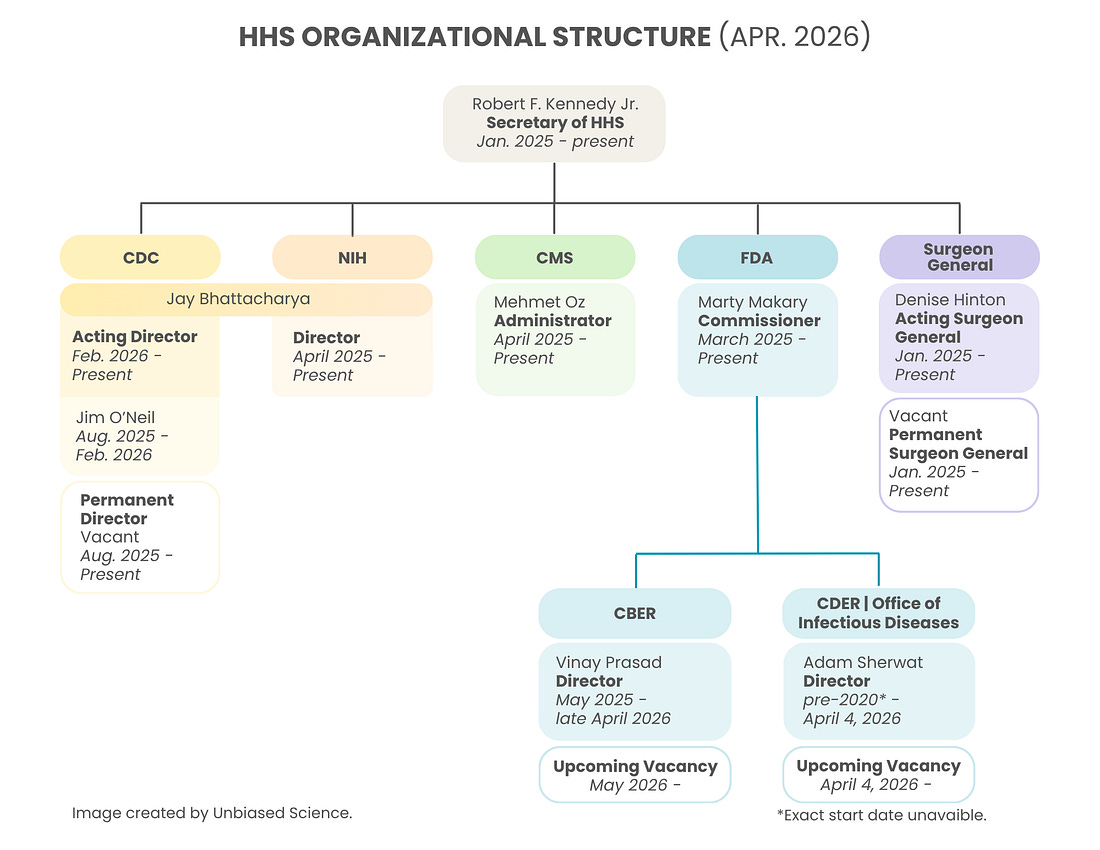
After souring on her for months, President Trump fired Attorney General Pam Bondi today. The president had privately complained about Bondi's handling of the Epstein files, her shortcomings as a TV surrogate and her failed efforts to prosecute his political enemies.
Bondi, Trump said, will be replaced by Todd Blanche, her deputy, on an interim basis. Her departure - the second cabinet member ousted in a month - ends a turbulent 14-month tenure in which she tried desperately to appease a boss who demanded unimpeded control of the Justice Department. But her team could sense that her time was likely over after Trump offered only a lukewarm statement yesterday in response to reporting that she was about to be fired.
The CDC has "temporarily paused" diagnostic testing for rabies and pox viruses, according to a recent update to the agency website first reported by the New York Times. These and other tests are done by CDC on behalf of state and local health laboratories that don't have the same capacity.
The news comes at a time when there's no director leading the agency, and staff have expressed anger and distrust of Trump administration officials. HHS spokesperson Andrew Nixon told the Times that it expected some tests to be made available again in the coming weeks, but didn't specify which.
"This is an example of the continued hemorrhaging of scientific expertise that is very hard to recruit for and replace," former CDC chief medical officer Deb Houry, who resigned from the agency last summer. "This lost capacity will result in all of us being less safe from health threats."
Today: Two of the three crew members of the downed planes have been rescued, while recovery efforts for another crew member continue.
Earlier this week: In a prime-time address to the nation, President Donald Trump claimed that Iran had "no antiaircraft equipment" and that their radar had been "annihilated."
New: Trump officially requested $1.5 trillion in funding for the Pentagon next fiscal year. His budget request also included $73 billion in cuts to nondefense federal spending.
What's included: The military spending request includes more money for Trump's proposed "Golden Dome" missile defense system, a 7% pay raise for troops and funding for AI military tools.
Yesterday: The defense secretary asked Gen. Randy George to step down as Army chief of staff, a position he was expected to hold for more than another year.
Why: Representatives for Hegseth said he wanted to go in another direction with the position. Hegseth has replaced nearly every member of the Joint Chiefs of Staff since his appointment to DOD.
Those are the words of a "potential" war criminal (pushed and encouraged by his "potentially" war criminal president) April 4, 2026.
What happened: DOJ issued an opinion this week concluding the law that requires the preservation of presidential records is unconstitutional.
Why it matters: The opinion does not decide the issue, but it does suggest that the Trump administration may try to radically alter what files the White House preserves and how.
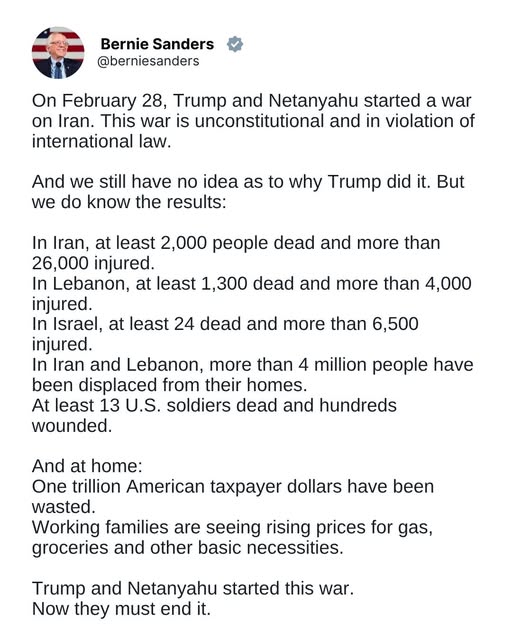
President Trump has said he will bomb Iran "back to the Stone Ages," threatening to destroy power plants, bridges and more. Such destruction would cause widespread suffering among civilians and, in most, cases would be considered a war crime under international law.
No other recent American president has talked so openly about committing potential war crimes, experts say.

Details: At the same news conference, Trump threatened to jail journalists who do not divulge the identity of a source who shared information about a U.S. airman who was shot down over Iran.
What he said: "We're going to go to the media company that released it, and we're going to say, national security, give it up or go to jail."
The latest: Trump wants to alter his Cabinet further, according to White House insiders, after recently ousting Kristi L. Noem as homeland security secretary and Pam Bondi as attorney general.
Under consideration: The jobs of Labor Secretary Lori Chavez-DeRemer and Commerce Secretary Howard Lutnick are both potentially at risk, according to two White House officials.


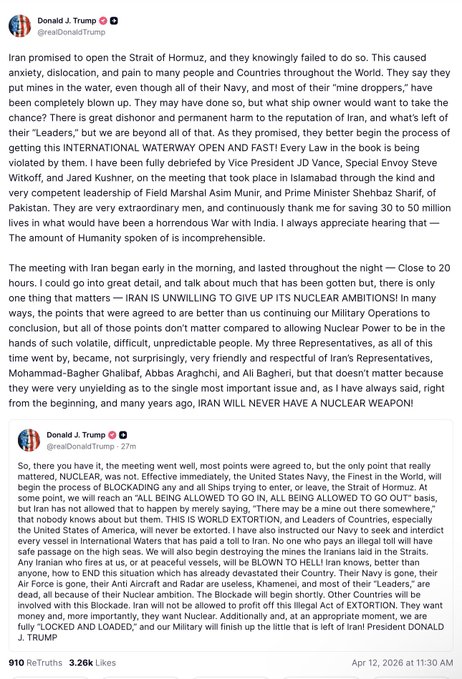
We the undersigned human rights, humanitarian, civil liberties, faith-based and environmental organizations, think tanks and experts are deeply alarmed by President Trump's threat regarding Iran that "a whole civilization will die tonight" if his demands are not met. Such language describes a grave atrocity if carried out. A threat to wipe out "a whole civilization" may amount to a threat of genocide. Genocide is a crime defined by the Genocide Convention and by the Rome Statute of the International Criminal Court as committing one or more of several acts "with intent to destroy in whole or in part a national, racial or religious groups as such."
The law is clear that civilians must not be targeted, and they must also be protected from indiscriminate or disproportionate attacks. Strikes on civilian infrastructure - such as the recent attack on a bridge and the attacks President Trump is repeatedly threatening to carry out to destroy power plants - have devastating consequences for the civilian population and environment.
We urge all parties to respect international law. Those responsible for atrocities, including crimes against humanity and war crimes, can and must be held accountable.
The undersigned remind those engaged in military operations of their obligation to refuse any patently unlawful order. Anyone who orders, carries out, or is otherwise complicit in President Trump’s abhorrent threats must be held accountable.
Parliament Speaker Mohammad Bagher Ghalibaf said Wednesday that a ceasefire and negotiations with the U.S. on ending the war is "unreasonable" as he accused the U.S. violating three of Tehran's 10 conditions for an end to the fighting. Ghalibaf, a key figure in the Pakistan-brokered negotiations to end the conflict, objected in a social media post to the continuation of Israeli attacks on Hezbollah in Lebanon, an alleged drone incursion into Iranian airspace after the ceasefire was in effect and the Trump administration's assertion that it won't accept any Iranian enrichment capabilities as part of an agreement to end the conflict.
"Every record has been destroyed or falsified, every book rewritten, every picture has been repainted, every statue and street building has been renamed, every date has been altered. And the process is continuing day by day and minute by minute. History has stopped. Nothing exists except an endless present in which the Party is always right." - George Orwell, 1984
Enacted in 1978, in the wake of Watergate, the Presidential Records Act (PRA) makes all records created or received by the President, Vice President, and their staff in the course of official duties the property of the United States government. They are explicitly not the personal property of the officials whose desks they cross. The law mandates they be transferred to the National Archives and Records Administration (NARA) as soon as a President leaves office.
The PRA is the law. It's clear. Presidents are advised about the requirement when they take office. So the reports that Trump was destroying his records should have been taken as an early warning sign of his utter disregard for the law. Instead, they were treated more like a cute affectation, a sign that this was an outsider who was new to being a political insider. At most, he was a little difficult to work for.
The American Historical Society (AHA) and American Oversight, a nonprofit that promotes transparency in government, promptly sued. They begin by writing, "This case is about the preservation of records that document our nation's history, and whether the American people are able to access and learn from that history." They explain that both plaintiff organizations and their members "rely heavily on access to historical records about the inner-workings of the federal government to undertake their missions" and that their ability to do their work "will be significantly harmed by Defendants' actions."
The AHA explains that if the PRA comes to an end, they will no longer have access to the information that makes it possible for them to "create the historical record of presidential activities," which would leave them with an "incomplete historical record by which to professionally research, produce scholarship on, and teach U.S. history." They point out that once lost, the records and the opportunity to record history are gone. AHA has some gravitas in this regard: It was their 1910 request to Congress following the discovery that many records from the 1800s were missing that ultimately led to the creation of the National Archives, according to their lawsuit.
Yesterday: Pope Leo XIV said Trump's threat to destroy "a whole civilization" was "truly unacceptable" and encouraged Americans to call their representatives to express opposition to war.
More: The pope also criticized attacks on civilian infrastructure as "a sign of the hatred, of the division, the destruction the human being is capable of," after Trump suggested he would target Iran's bridges and power plants.
What to know: During a speech today, Environmental Protection Agency Administrator Lee Zeldin praised the Heartland Institute, a group that rejects the scientific consensus on climate change.
What he said: Zeldin, speaking at the group's 16th International Conference on Climate Change, praised those gathered for not signing "up for the script that the world is imminently about to end."
The Trump administration is quietly seeking unprecedented access to medical records for millions of federal workers and retirees, and their families. A brief notice from the Office of Personnel Management could dramatically change which personally identifiable medical information the agency obtains, giving it the power to see prescriptions employees had filled or what treatment they sought from doctors. The regulation would require 65 insurance companies that cover more than 8 million Americans — including federal workers, retired members of Congress, mail carriers, and their immediate family members - to provide monthly reports to OPM with identifiable health data on their members.
The proposal is prompting unease from insurers as well as health policy and legal experts, who are concerned about the legality of OPM acquiring such a sweeping database of sensitive health information, and the agency's ability to safeguard it. OPM could use the data to analyze costs and improve the system, said Sharona Hoffman, a health law ethicist at Case Western Reserve University in Ohio. "But," she said, "they are going to get very, very detailed and granular data about everything that happens. The concern here is the more information they have, they could use it to discipline or target people who are not cooperating politically."
Several experts in health policy and law consulted by KFF Health News said they interpreted the request to mean the Trump administration was seeking identifiable data. The ask comes a year into a Republican administration that has been defined by haphazard mass layoffs and firings of thousands of federal workers, including dozens who say they were targeted in acts of political retaliation or for not embracing the White House's agenda. Under President Donald Trump, the government has also routinely tested the legal bounds of sharing sensitive and personally identifiable tax or health information across government agencies in its efforts to carry out mass immigration arrests or pursue identify fraud.
"You can anticipate a scenario where this information on 8 million Americans is now in the hands of OPM and there's a real concern of how they use it," said Michael Martinez, senior counsel at Democracy Forward, an advocacy organization that filed a public comment opposing OPM"s proposal in February. Martinez previously worked at OPM. "They've given no information about how they would treat that information once they have it," he said.
At the very least, they said, the proposal would allow the agency to access the medical and pharmaceutical claims of patients with their identifying information, such as names and birth dates. Claims data also includes diagnoses, treatments, visit length, and provider information. OPM's request to view "encounter data" could allow the agency to look at "anything and everything," Hoffman noted. That could include detailed medical records, such as a doctor's notes or after-visit summaries. "It's kind of shocking to think of them having protected health information without having strict guardrails," he said.
The Health Insurance Portability and Accountability Act of 1996, or HIPAA, requires certain organizations that maintain identifiable health information - such as hospitals and insurers - to protect it from being disclosed without patient consent. Those entities can disclose such information without consent only in specific scenarios, with a justification that it is deemed "reasonable" or "necessary." Even then, HIPAA mandates that they provide only the minimum amount of information required.
Only one insurer individually weighed in with a public comment on OPM's plan. In March, CVS Health executive Melissa Schulman urged the federal agency to reconsider its proposal. "OPM's request raises substantial HIPAA compliance issues," Schulman wrote, arguing that federal law allows the agency to examine records but not to collect data. Insurers would be breaking the law by providing personal health information for OPM's "vague and broad general purposes," she added. Schulman also raised concerns about a lack of data privacy protections. She noted that insurers could be liable for security breaches or other situations "where consumer health information is inappropriately shared and outside of our control."
The Association of Federal Health Organizations, which represents CVS Health and dozens of other federal health plan carriers, also weighed in with a 122-page comment opposing the notice. In it, AFHO Chair Kari Parsons emphasized that insurance carriers are bound by HIPAA to safeguard personal health information. This isn't the first time OPM has requested detailed data from insurers. In the AFHO comment, Parsons noted OPM had made a similar proposal in 2010, prompting HIPAA concerns. She described how, after several years of negotiations with AFHO, they discussed - but OPM never finalized - an agreement in 2019 for carriers to share de-identified data with OPM.

Judge Melissa R. DuBose for the U.S. District Court for the District of Rhode Island ruled on Tuesday that an amended complaint filed by 19 states contains "sufficient, plausible allegations" demonstrating how Health Secretary Kennedy and HHS' actions on March 27 constituted "arbitrary and capricious agency action." "Specifically, plaintiffs allege that defendants failed to provide a reasonable basis in support of dismantling HHS and that they also failed to consider the consequences of their actions," the judge wrote in the order.
"The Court rejects defendants' attempt to weigh in on how they believe HHS's reorganization fulfills all existing statutory mandates and instead determines that plaintiffs have plausibly alleged that defendants' actions have violated the Constitution," DuBose wrote.
On March 27, 2025, HHS said it would send termination notices to 10,000 employees, collapse 28 agencies into 15 and close half of the HHS' 10 offices as part of RFK Jr.'s plan to "Make America Healthy Again," as Fierce Biotech reported. Nineteen states and the District of Columbia filed a lawsuit in early May against HHS and RFK Jr., arguing the restructurings and mass layoffs are unconstitutional and illegal, according to court documents filed May 5 in the Rhode Island U.S. district court.
The states suing the federal health agency are Arizona, California, Colorado, Connecticut, Delaware, Hawaii, Illinois, Maine, Maryland, Michigan, Minnesota, New Jersey, New Mexico, New York, Oregon, Rhode Island, Vermont, Washington, Wisconsin and Washington, D.C.
In the lawsuit, the 19 state AGs argue that the cuts at HHS and massive reorganization violated the U.S. Constitution’s separation of powers doctrine and appropriations clause, constituted unlawful exercise of executive power, and violated the Administrative Procedure Act as contrary to law and as arbitrary and capricious. The court order issued Tuesday concludes that plaintiffs have plausibly alleged an entitlement to relief, the judge wrote.
U.S. President Donald Trump on Sunday said the U.S. Navy would "immediately" begin a blockade to stop ships from entering or leaving the Strait of Hormuz, after historic U.S.-Iran peace talks in Pakistan ended without an agreement or next steps in sight. Face-to-face talks ended earlier Sunday after 21 hours, leaving a fragile two-week ceasefire in doubt.

Cartoon source:
https://bsky.app/profile/xelahart.bsky.social/post/3mjcfr2kia22y
Pope Leo XIV has criticized the U.S. war with Iran, at first obliquely and then overtly as "absurd and inhuman violence." Trump in turn erupted at the pontiff late last night in a lengthy social media post, calling Leo too liberal, "weak on crime" and "terrible for foreign policy."
At the start of a trip to Africa, the typically mild-mannered pope responded, telling reporters he had "no fear of the Trump administration" and was not afraid of "speaking out loudly about the message of the Gospel."
Trump faced a groundswell of criticism across the political spectrum, both for his attacks on Leo and for an image he posted depicting himself as a Jesus-like healer. The president later removed the image, though he said he believed it showed him as a doctor, not Jesus. "I make people better," he said.
Trump's erratic behavior and extreme comments in recent days and weeks have turbocharged the crazy-like-a-fox-or-just-plain-crazy debate that has followed him on the national political stage for a decade. It's a debate you can see in the polls. A Reuters/Ipsos poll in February found that 61 percent of Americans think Trump has become more erratic with age. Just 45 percent say he is “mentally sharp and able to deal with challenges.” That's down from 54 percent in 2023.
Trump's language fuels the fire. "He uses more profanity, speaks longer and regularly makes comments rooted in fantasy rather than fact," Peter writes: He wanders off into odd tangents - an eight-minute ramble at a Christmas reception about poisonous snakes in Peru, a long digression during a cabinet meeting about Sharpie pens, an interruption of an Iran war update to praise the White House drapes. He has confused Greenland with Iceland and more than once boasted of ending a fictional war between Cambodia and Azerbaijan, two countries separated by nearly 4,000 miles. (He evidently means Armenia and Azerbaijan).
Trump's Erratic Behavior and Extreme Comments Revive Mental Health Debate. As the president threatens to wipe out Iran and attacks the pope, even some former allies and advisers are questioning whether he has grown increasingly unbalanced, describing him as "lunatic" and "clearly insane."
The historians who are suing over the Trump administration’s eschewal of a Watergate-era records retention law for presidential documents said Tuesday that the National Archives won't agree not to destroy those records while their case is litigated. The American Historical Association is seeking an emergency court order in a lawsuit it filed last week in the wake of a Justice Department memo that said the Presidential Records Act is unconstitutional.
The Presidential Records Act requires presidents and their staff to preserve White House records and turn those records over to the National Archives at the end of their administrations. The law was instrumental in the chain of events that led to President Donald Trump's prosecution for allegedly mishandling classified documents that he took from the White House at the end of his first term.
The historians who are suing over the Trump administration's eschewal of a Watergate-era records retention law for presidential documents said Tuesday that the National Archives won’t agree not to destroy those records while their case is litigated. The American Historical Association is seeking an emergency court order in a lawsuit it filed last week in the wake of a Justice Department memo that said the Presidential Records Act is unconstitutional. The Presidential Records Act requires presidents and their staff to preserve White House records and turn those records over to the National Archives at the end of their administrations.The law was instrumental in the chain of events that led to President Donald Trump's prosecution for allegedly mishandling classified documents that he took from the White House at the end of his first term.
Specifically, the challengers had asked the National Archives to agree that it would not destroy records it maintains under the law. They also wanted an agreement that the Archives would continue to make presidential documents from prior administrations — including the first Trump term — available for public records request, as contemplated by the Presidential Records Act. They asked for assurances that White House staff will preserve documents covered under the law and that administration personnel would also follow the law’s requirements for preserving communications sent on messaging apps like Signal and WhatsApp.
The classified documents prosecution against Trump was shut down after he won reelection in 2024, and while a ruling dismissing the charges was still on appeal. Trump's bitter feelings towards the National Archives apparently continued, and he fired the Archivist that in place when he returned to the White House last year, even though she did not take the role until after the classified documents investigation. The historians are now seeking a preliminary court order that would block the destruction of presidential records and that would require White House staff to preserve on official channels any communications related to their duties that are sent on encrypted messaging apps. US District Judge Beryl Howell quickly ordered that the parties come up with a briefing schedule for her to consider the request.
The latest: The U.S. deployed thousands more soldiers to the Middle East as President Donald Trump continues to try to pressure Iran into making a peace deal.
The numbers: The USS George H.W. Bush and escorting warships will carry about 6,000 troops. An additional 4,200 sailors and Marines are expected to arrive at the end of the month.
What happened: U.S. Attorney Jeanine Pirro yesterday asked the U.S. Court of Appeals for the D.C. Circuit to vacate the convictions of 12 members of the Proud Boys and the Oath Keepers, two extremist groups.
Background: Trump's blanket pardon for more than 1,500 Jan. 6, 2021, rioters did not extend to 14 defendants, whose sentences were instead commuted, freeing them from custody.
Sen. Thom Tillis (R-N.C.) on Wednesday said President Trump should apologize to Pope Leo XIV following their public spat over the U.S.-Israeli conflict in Iran, adding that "when you're wrong, you're wrong."
"To say soft on crime or soft on the border, that's what you say to an opponent in the next election," Tillis told NBC News in an interview, referring to comments Trump has made about the pope. "Or, you know, maybe a presidential or prime minister candidate in some other country, but not to the pope of the Catholic Church."
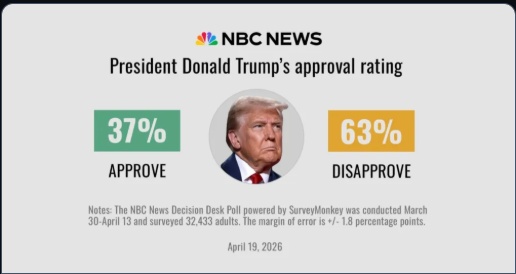
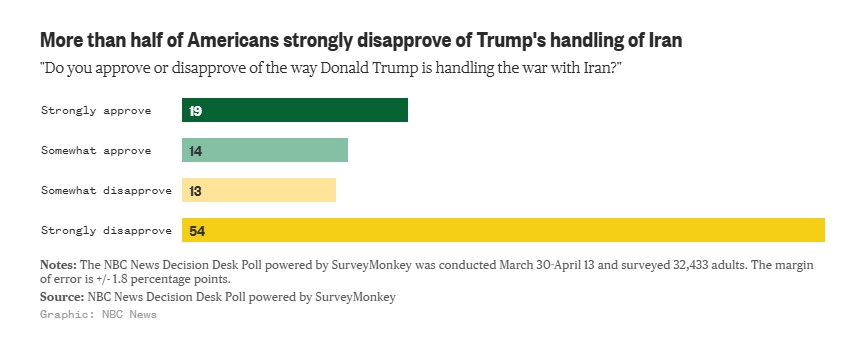
Fox News - April 16, 2026
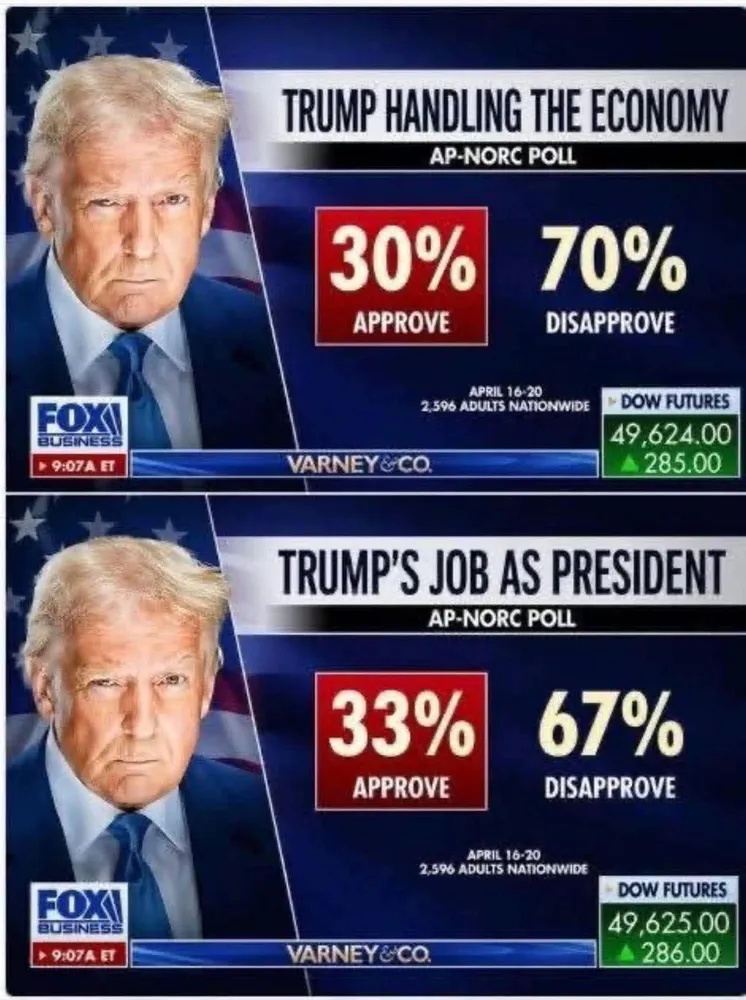
The FBI and Justice Department are scrambling to rebuild a depleted workforce after a wave of departures over the past year, with leaders easing hiring requirements and accelerating recruitment in ways that some current and former officials see as a lowering of long-accepted standards. The FBI has turned to social media campaigns to attract applicants, offered abbreviated training for candidates from other federal agencies and relaxed requirements for support staff seeking to become agents, according to people familiar with the changes and internal communications seen by The Associated Press.
Today: Defense Secretary Pete Hegseth said the military will no longer require troops to receive the annual flu vaccine, which he said "[weakens] our war-fighting capabilities."
Health care response: Experts warned ending the requirement could weaken military readiness, as more flu cases will cause soldiers to miss more days and require more hospital care.
The agency's acting director took the unusual step of withholding the publication of the study findings in the Morbidity and Mortality Weekly Report, which showed the vaccine was protective against hospitalization and emergency department visits.
The study results found that vaccination cut the likelihood of emergency visits due to COVID-19 by 50% and hospitalizations by 55%, according to a report in The New York Times. This is an unusual step to remove the potential publication of such a study, especially this far into the process, according to sources in the report. Bhattacharya also met with the study authors previously, and there was no discussion around changing the study.
"I've never seen a case where an article in the MMWR that got to that stage was not published," Michael Iademarco, MD, who led the publication for several years and was quoted in The New York Times, said.
This publication cancellation is a continuing pattern with the current leadership at the health agencies as they continue to reduce access to and data about vaccines. One of the biggest changes to vaccine policy has been US Department of Health and Human Services Secretary Robert F. Kennedy Jr's changes to the members of the Advisory Committee on Immunization Practices (ACIP). The committee meets to discuss vaccine data and potential policies about immunizations. Kennedy completely replaced the previous ACIP members with individuals who share his vaccine views.
The 119th Congress is a mess. Partisan gridlock strangles both houses even though Republicans hold thin majorities. Misconduct scandal after misconduct scandal keeps a bad light shining on the Hill. Sheila Cherfilus-McCormick, a Florida Democrat, resigned from the House yesterday to avoid an expulsion vote. She had violated more than two dozen House rules, including campaign finance laws, according to the chamber's ethics committee. (She still faces federal criminal charges alleging that she stole $5 million in coronavirus disaster relief funds.)
Representative Eric Swalwell, a Democrat from California, and Representative Tony Gonzales, a Texas Republican. They both resigned last week after women who had been on their staffs accused them of sexual misconduct. And the House could expel Representative Cory Mills, a Florida Republican under investigation by the ethics committee to see if he, too, violated campaign finance laws. Mills has also been accused of assault and threatening a former girlfriend with the release of revenge porn.
A resignation would go down easier than an expulsion, said Carl Hulse, who covers Congress. "Members are going to be reluctant to oust anyone if it cuts into their numbers with the margin so thin, even if they believe the person deserves it," he wrote in an email. His subject line: "crazy congress."
Why is Congress such a train wreck? A hot mess. Since President Trump's return, Republicans have enjoyed what every ruling partisan wants: control of the White House and both chambers of Congress. A trifecta. That kind of power supposedly greases the legislative machinery. But the Republican-led Congress last year hit historic lows for productivity, even by the institution's own dysfunctional standards.
House members cast 362 votes last year, the second-lowest count in a quarter-century. And just 64 bills became law. It struggles with the basics: The Department of Homeland Security, which employs some 260,000 people, has been shut down for nearly 70 days because lawmakers can’t agree on a deal to reopen it. As lawmaking cratered, our elected officials passed a record number of partisan rebukes to scold and punish one another.
Americans notice: Congress's approval rating has plunged to 10 percent, according to Gallup polling released this morning. Even the I.R.S. scores better. Meanwhile, Congress has ceded some of its powers to the White House: Republican members did little as the president refused to spend funds they had allocated and federal programs they had created. The Constitution gives Congress the exclusive power to declare war, but the G.O.P. has blocked Democratic-led efforts to curb Trump’s authority to fight in Iran.
Trouble for Republicans. Many Americans say it's time for a change. A year ago, it seemed like a pipe dream to hope that Democrats might retake control of Congress. Now they have a shot at capturing both the House and the Senate. So far, everything is going their way. Trump's approval rating is down. Gas prices are up. Americans are angry about war in the Middle East. Recent elections have shown shifts of up to 20 points in Democrats' favor compared with the 2024 election that returned Trump to the White House. A blue wave isn’t assured, but here’s the math:
The House. Republicans have a five-seat majority (which includes one independent), so Democrats need to flip just a few seats (and keep their current ones) to win a majority next year. Kamala Harris carried nine Republican-held districts in 2024, and House Republicans hold 21 additional seats that Trump won by 10 points or less. Democrats are targeting Republican seats once considered out of reach.
The Senate. Flipping the Senate would require Democrats to win at least four Republican-held seats (while losing none of their own). Recent polls show Democrats tied or ahead in four states. In Maine and North Carolina, the likely Democratic nominees hold clear leads; the party has also recruited strong candidates in Ohio and Alaska.
Dysfunction junction. Possible expulsions, forced resignations, retirements, gridlock, shutdowns, bad polling? Certainly the Republican mood is not good. To me, it’s reminiscent of 2006, when the Republican majority entered the midterms under the weight of an increasingly unpopular war in Iraq and a cloud of corruption over Congress. Democrats won back both chambers.
The Justice Department watchdog review will focus on the department's identification, collection and production of materials, and its guidance on redacting material. Investigators will also look into the process for addressing concerns after the publication of the documents. The watchdog will publish a public report on its findings, although the timeline is unclear.
The review: Acting Justice Department Inspector General William M. Blier today announced an audit of the release of the DOJ files on Jeffrey Epstein. More: The audit will look into DOJ's compliance with a law requiring the release of all files on Epstein, with exceptions for active investigations and protections for victims.
What happened: Two Senate Republicans who are physicians yesterday questioned Health and Human Services Secretary Robert F. Kennedy Jr. about his views on vaccines during Senate hearings.
More: Sen. Bill Cassidy (R-Louisiana) said that political appointees are "undermin[ing] trust in immunizations" and pushed Kennedy about the Centers for Disease Control and Prevention's independence from political interference.
1. LIE: "I'm not anti-vax, I'm pro-science" (April 17, before the House Education and Workforce Committee)
2. LIE: "COVID is gone" (April 22, before the HELP Committee)
3. LIE: "The hepatitis B vaccine was tested for 4 days…there was no placebo in that, so we don't know the risk factor of that" (April 21, before the Senate Committee on Appropriations)
4. LIE: "It [measles outbreak] has nothing to do with me" (April 22, before the Finance Committee)
5. LIE: "mRNA vaccines have limited efficacy against respiratory viruses" "I terminated the COVID vaccine because it didn't make any sense" (April 22, before the HELP and Finance Committees)
6. LIE: "Russ Vought doesn't want to cut NIH programs" (April 21, before the House Energy & Commerce Health Subcommittee)
7. LIE: "We have done more for maternal health than any administration in our history" (April 17, before the House Committee on Education & Workforce)
8. LIE: "I never said that"…"I have no memory of saying anything like that" [on his comments about Re-parenting Black children] (April 16, before the Ways and Means Committee, and April 22, before the HELP committee)
9. LIE: The rate of autism is increasing "Autism rates have gone from 1 in 10,000 in 1970 to 1 in every 31 today" (April 22, before the HELP Committee)
10. LIE: "The US had the highest death of any country on earth" (April 22, before the HELP Committee)
11. LIE: "There are no cuts to Medicaid" (April 22, before the Finance Committee)
12. LIE: "The flu shot is an intervention that is often ineffective. It has a 20% efficacy rate. There are studies that show that getting a flu shot actually increases the chance of a non-flu infection" (aka non-specific effects) (April 22, before the HELP Committee)
13. LIE: "[The study says] 80% in mortalities from chronic disease that took place in the 20th century - almost none of it was attributable to vaccines." (April 22, before the HELP Committee)
14. LIE: The Trump administration is delivering the "largest investment in rural health in our nation’s history" (April 16, before the Ways and Means committee)
15. LIE: TrumpRx is making a difference "Americans no longer pay more than people in other wealthy countries for the exact same medications" (April 22, before the Finance Committee)
16. LIE: "For the first time they [Dietary Guidelines] are not dogma-based guidelines, but science-based guidelines" (April 16, before the Ways and Means Committee)
17. LIE: "All decisions that have been made at that agency [FDA] are made with the approvals of panels of career scientists" (April 21, before the House Energy & Commerce Health Subcommittee)
18. LIE: "The food pyramid was written by food industry lobbyists for 50 years. And it reflected the mercantile impulses of those companies that put Fruit Loops at the top of the food pyramid" (April 22, before the HELP committee)
19. LIE: "I authorized $500 million for cancer vaccines" (April 17, before the House Committee on Education & Workforce)
20. LIE: "The Mennonites have not vaccinated since 1796" [while blaming the current measles outbreaks on Mennonites, Canadians, and Mexicans] (April 21, before the House Energy & Commerce Health Subcommittee)
21. LIE "This [COVID] was not a disease that was killing healthy people. It was killing sick people" (April 22, before the HELP Committee)
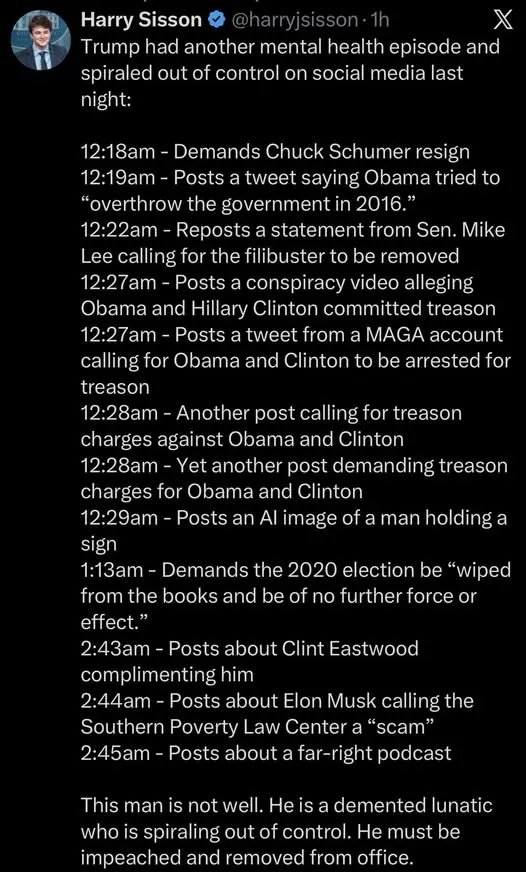
Graphic source: https://x.com/harryjsisson
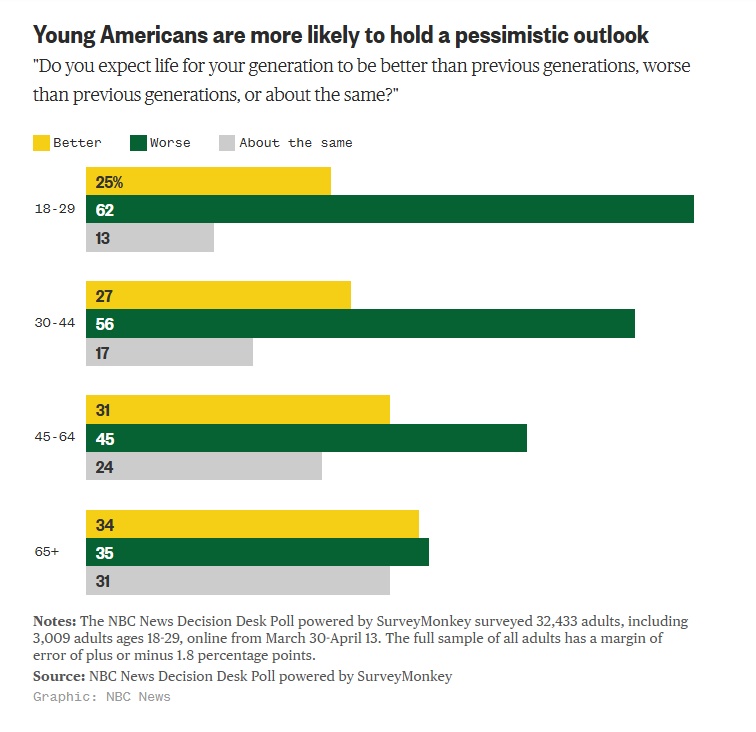
New: A federal appeals court ruled today that Trump illegally stopped processing asylum seekers at the southern border.
Background: On his first day of his second term, Trump declared an "invasion" at the U.S.-Mexico border and ordered asylum seekers to be turned away.
The CDC was once the gold standard for public health leadership. Today, it is struggling to maintain scientific excellence, trustworthiness, and relevance, a result of the actions of the Trump administration and the US Department of Health and Human Services that have undermined the agency.
80% of the CDC's highest positions are vacant, with directors of 20 out of 25 centres having left. An estimated 2000 staff, almost one in five, have been fired, and about 300 are on administrative leave. There is still no CDC director since Susan Monarez was fired less than 1 month into her appointment in August, 2025 because she refused to pre-approve vaccine recommendations and to fire career scientists. The agency's ability to protect health in the US has been badly eroded. Disease surveillance, for example, provides data to inform targeted public health planning and serves as the early warning system for outbreaks. The CDC has had to cut back on services it routinely provided for disease detection. One study found that 38 CDC datasets, mostly vaccination-related, have been halted. Without regularly updated data, the agency is flying without radar.
Internationally too, the CDC has a long-standing legacy of country and multilateral partnerships centred on building sustainable public health capacity, accelerating disease eradication, and bolstering global health security that the Trump administration's stance now threatens. The President's Fiscal Year 2027 budget request for the CDC says that it aims to ensure that the CDC "serves as the nation's first line of defence against emerging infectious diseases". But CDC cannot gather epidemic intelligence and mount an outbreak response without international partners in other countries. It is hamstrung by Presidential Executive Order 14155, which barred CDC staff from communicating and coordinating with WHO, the global normative body for pandemic preparedness. CDC staff secondments to national governments and UN agencies, critical in disease elimination initiatives such as measles, polio, and hepatitis B elimination, have been an important way of furthering the agency's mission and cultivating strong relationships. They too have been cancelled. International candidates are no longer eligible to be admitted to the CDCs Epidemic Intelligence Service, the competitive postgraduate fellowship that has trained more than 4100 elite public health responders at home and abroad. Whatever its shortcomings, WHO serves a normative function in international health arising from its composition of 194 member states that cannot be replaced by the agency of one country, mandated to uphold an America First approach to global health.
What then, does the future of the agency look like? A new candidate for CDC director Erica Schwartz will go before the Senate. A retired rear admiral of the US Public Health Service Commissioned Corps, Schwartz is respected. But if appointed, she will inherit a CDC that is weak on multiple fronts, including its core mission to protect the public and respond to public health threats. How much she will be able to change the agency's fortunes under Robert F Kennedy Jr remains to be seen. In global health, the trend is towards building greater regional capacity, thereby empowering autonomous regional institutions. And domestically, as a recent report in The Lancet noted, there are multistate initiatives attempting to fill the gaps left in public health by the Trump administration. The West Coast Health Alliance, for example, brings together Washington, Oregon, California, and Hawaii, aiming to coordinate multistate responses to emerging public health gaps, including joint vaccine procurement and distribution, cross-state disease surveillance, and the development of shared guidance and policy. Do such initiatives represent the future of public health in the USA?
But while it's hard to argue against stronger state-level public health, and better state-level coordination, the alliances so far are concentrated in Democratic states, the risk being that–for all their good intentions-such initiatives risk further fracturing public health along political lines. Despite these developments, the USA still needs a strong federal-level agency that has the capacity, mandate, trust, expertise, and broad political support to protect health across the country.
The White House has warned staff not to wager on government decisions, but his family's involvement with these firms undermines the president's message.
Donald Trump calls Bitcoin 'a scam against the dollar' BBC.com, June 7, 2021
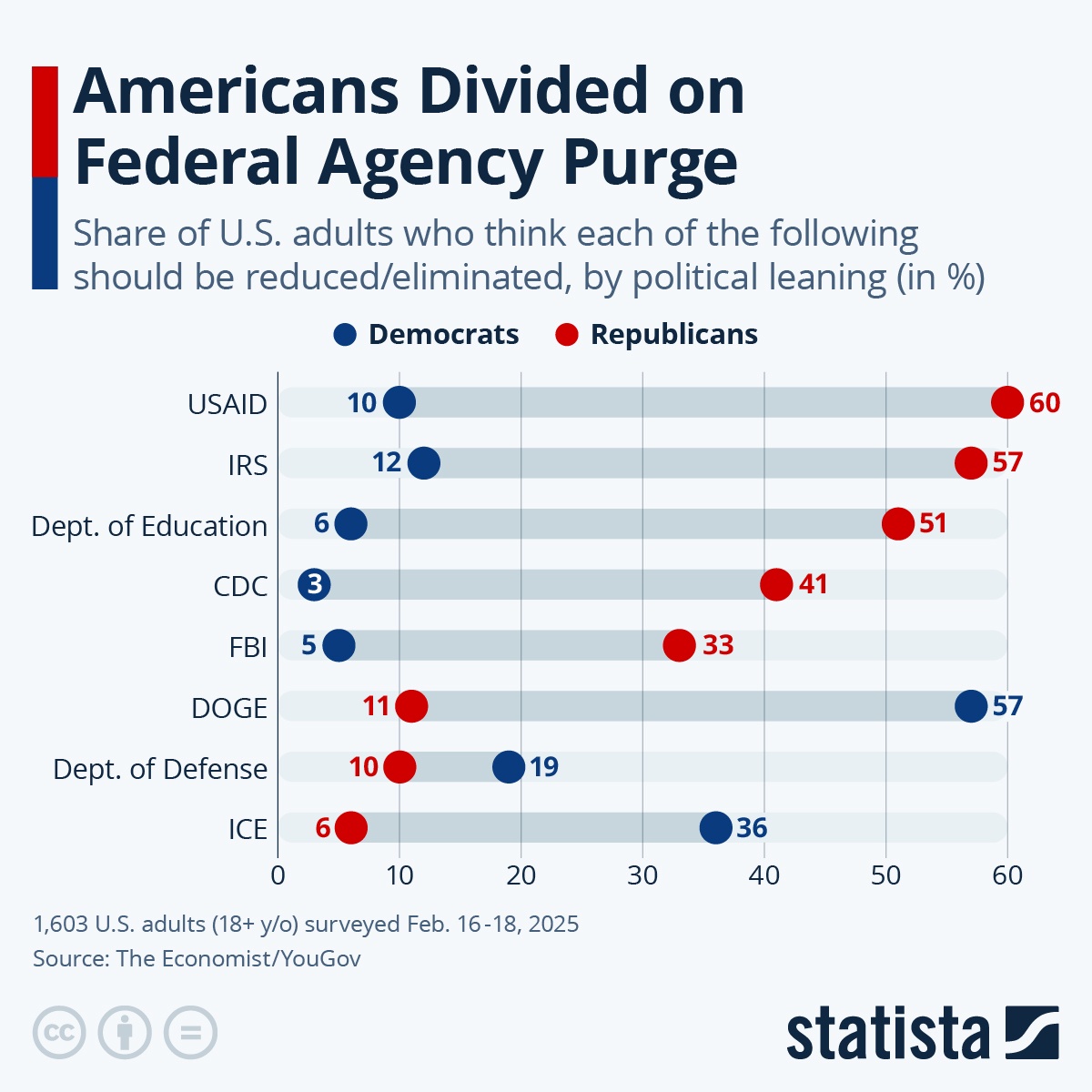
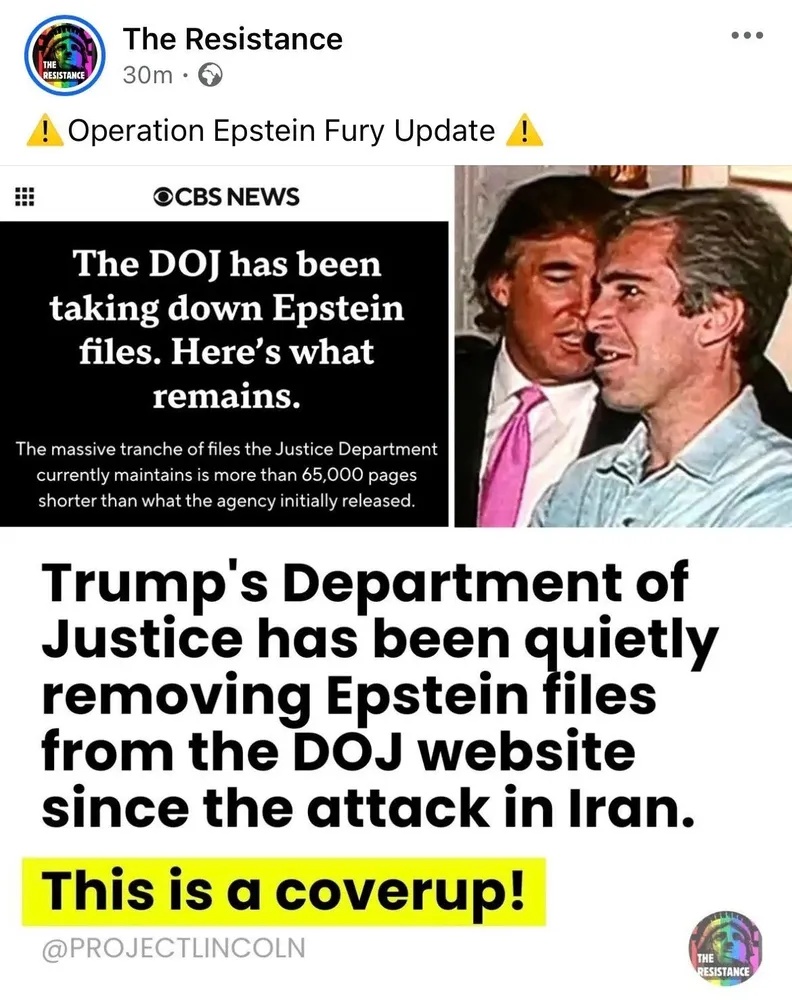
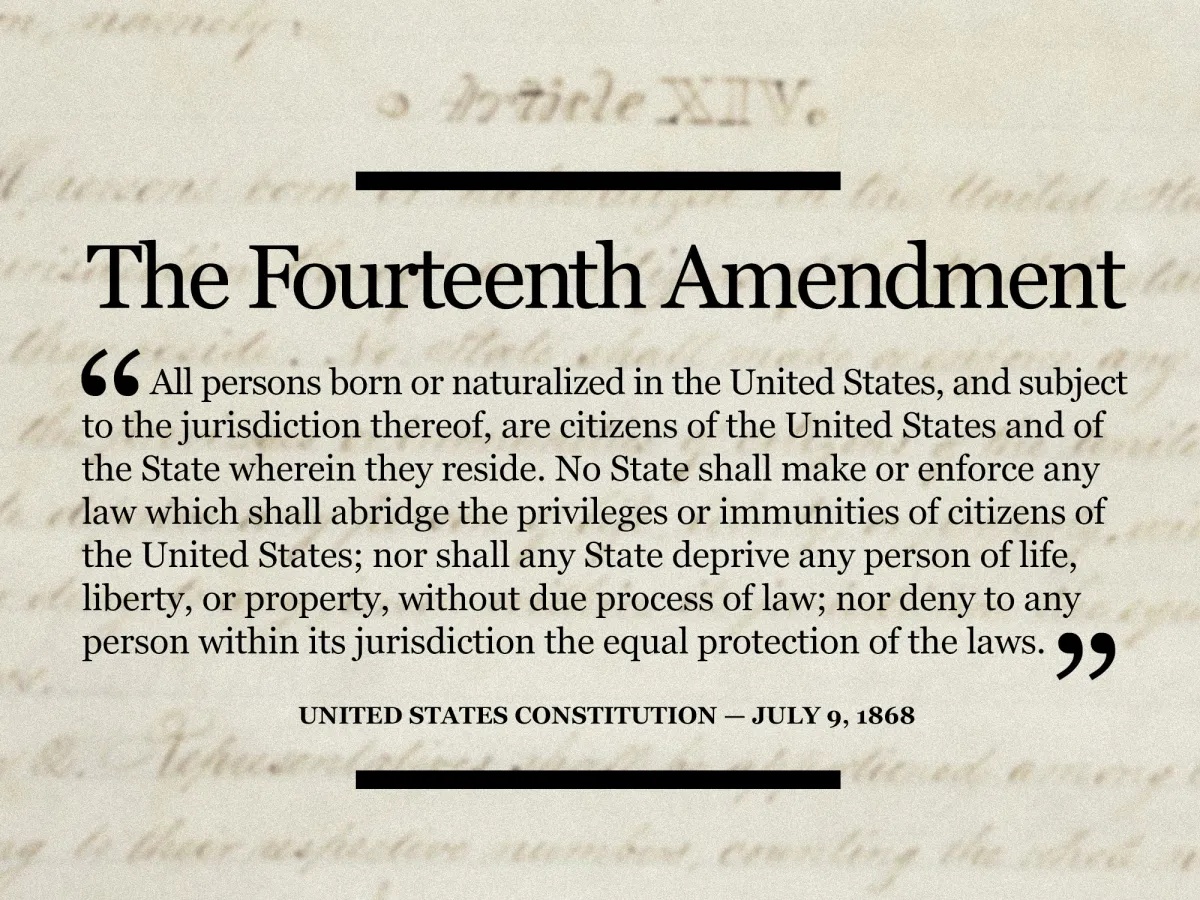
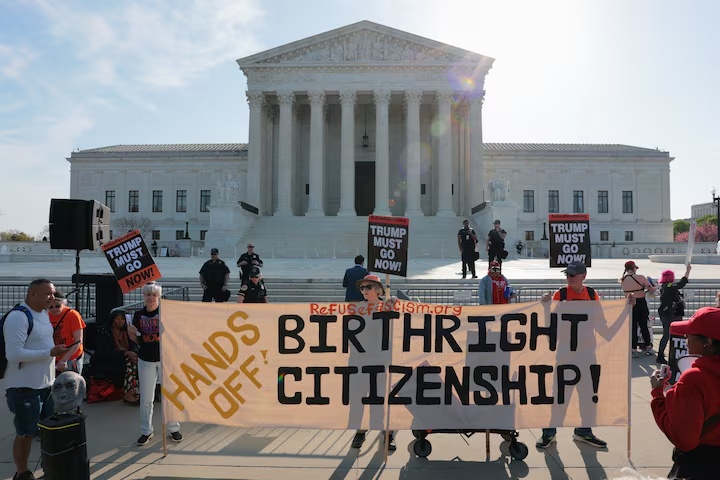
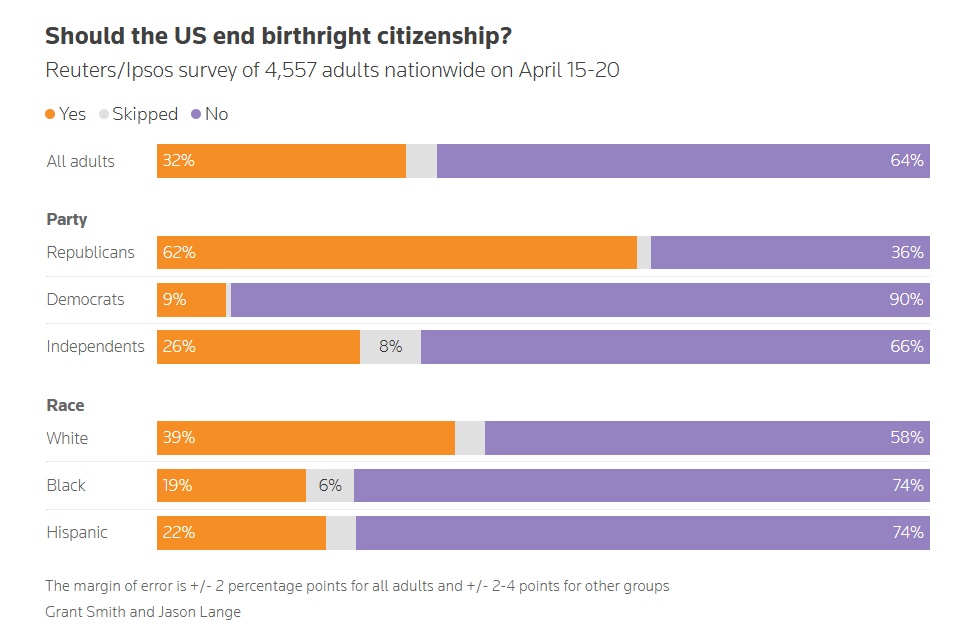
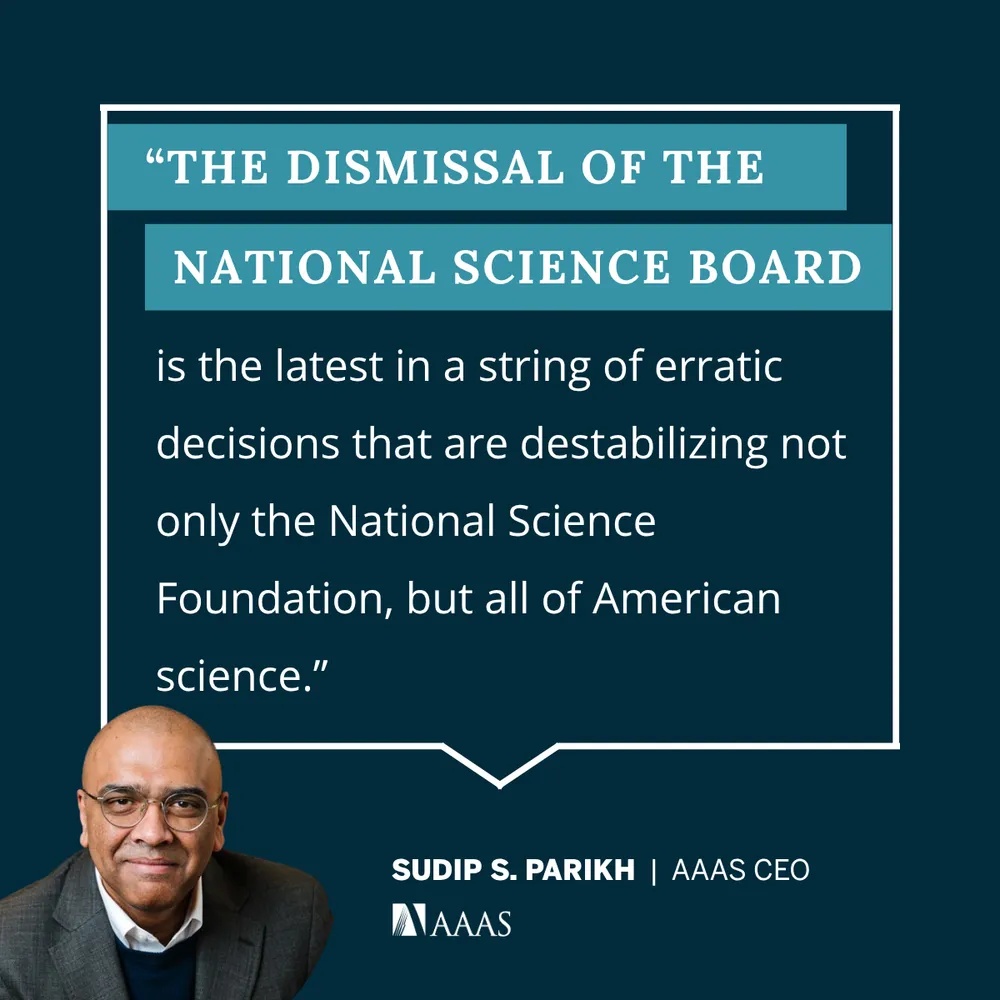
The dismissal of the National Science Board is the latest in a string of erratic decisions that are destabilizing not only the National Science Foundation, but all of American science. Whatever the reasons, this action sets a precedent and implies that scientific priorities and policies will swing with the political whims of every administration.
If we want the United States to lead in science and technology and the benefits to accrue to the American people, we must have a vision, plan and resources guided by science, not politics. In the absence of clear communication from government leaders, this move, combined with other seemingly indiscriminate yet consequential decisions, reinforces the following message: America is abdicating its position as the global leader in science, technology and discovery. We cannot let this happen.
The studies: JAMA Pediatrics today published studies showing the Trump administration's decision to recommend delaying hep B vaccines for newborns will lead to more infections and deaths.
More: According to the studies, waiting to give the vaccine until two months after birth instead of within 24 hours will cause hundreds of additional infections and increase infants' risk of liver cancer.
Trump's hostile exchange with O'Donnell was not surprising at all, said Peter Loge, associate professor of media and public affairs and director of the Project on Ethics in Political Communication at The George Washington University School of Media & Public Affairs. "President Trump's first instinct when confronted with anything he doesn't like is to attack," Loge told HuffPost. "He also has a long history of both misogyny and attacking the media. So he once again attacked a journalist, and he attacked a woman — so you had a woman journalist saying something he didn't like, which is kind of a perfect storm for Trump to lash out."
Trump has long had an adversarial relationship with the press. He also has a history of attacking and attempting to silence journalists, with a documented pattern of disparaging female journalists - oftentimes with personal attacks. "Seasoned journalists understand that certain public figures have a well-established style when it comes to challenging interviews, including attempts to belittle or deflect, particularly toward women," said Les Rose, a professor of broadcast and digital journalism at Syracuse University's Newhouse School and longtime CBS News staffer. "That isn't new, and it isn't surprising."
"I personally feel it's disgusting, but a veteran professional like Nora O’Donnell would have gone into that interview fully aware of the terrain and prepared for pushback, and committed to staying focused on the questions that matter," Rose said about O'Donnell's tense exchange with Trump. "It's unfortunate that the president's response was to, once again, attack a journalist, attack a woman and attack an idea that he didn't like,” he said.
At the end of the day, the president of the United States should "not be attacking a free and open press," Loge emphasized. "If the president doesn't want to be criticized by the press, he should probably not run for president," he said, before later adding, "If a journalist isn't holding power to account, a journalist isn't doing their job."
Rose said that O'Donnell's "steadiness" and "preparation" was reflected in her exchange with Trump, and that her questions were "exactly what the First Amendment is meant to protect." "There's a reason the First Amendment comes first," he said. "It's the foundation that protects journalists as they do their job, and it places a unique responsibility on us to ask tough, necessary questions, especially those in power."
"You don't have to admire or dislike a leader to recognize that accountability is essential in a democracy, and that sometimes means pointed, uncomfortable exchanges," he continued. Speaking about Trump's history of attacking journalists and saying "terrible, disparaging things about women in general," Loge said that the "president of the United States should be a role model." "They should hold themselves to a higher standard," he said, adding that Trump should criticize or debate the content of things he doesn't agree with instead of leveling personal attacks. "We should expect more of the president of the United States," he added.
The agency's prestigious research office spent decades doing scientific work insulated from political pressure. Now it’s being dismantled. Bryan Hubbell, former head of the air, climate and energy program at the Environmental Protection Agency's research office. "I knew I wasn't going to be able to keep doing the work."
For more than a half-century, a prestigious scientific arm of the federal government did groundbreaking research aimed at saving American lives. It studied fertility, asthma, wildfires, drinking water, climate change and myriad other health threats. In just one year, it has been almost completely dismantled.
One scientist, a doctor and expert in lung health, has recently been reassigned to a finance office. Another, an epidemiologist, has been told she has a new job issuing permits to handle hazardous waste. A toxicologist researching so-called forever chemicals on the East Coast has been asked to move to Dallas and hasn’t been told whether the research project will continue.
New documents show that the Trump administration is doubling down on its opposition to harm reduction services for people who use illicit drugs, STAT’s Lev Facher reports. In an open letter last week, SAMHSA warned grant recipients against using federal funds to buy harm reduction supplies like sterile syringes, pipes, or test strips. In a second letter the same day, the agency also warned against using certain addiction medications without accompanying support services.
The agency emphasized that the Trump administration is making a "clear shift away from harm reduction and practices that facilitate illicit drug use and are incompatible with federal law."
All 22 members of the advisory board that oversees the US National Science Foundation (NSF), a leading funder of fundamental science, were fired on 24 April without explanation. Every member of the NSF’s National Science Board (NSB) received an e-mail on Friday afternoon saying that "on behalf of President Donald J. Trump", their positions were "terminated, effective immediately".
Members of the NSB are appointed by the president and serve six-year terms that are staggered, avoiding complete turnover. Asked about the reason for the termination, a White House spokesperson said that the 2021 Supreme Court decison United States v. Arthrex, Inc. "raised constitutional questions about whether non-Senate confirmed appointees can exercise the authorities that Congress gave the National Science Board." Members of the NSB were initially confirmed by the Senate, but have not been since 2012.
This is not the first time the Trump administration has ousted federal science advisers en masse. Last year, the administration fired all 17 members of the Advisory Committee on Immunization Practices, which played a crucial part in US vaccine policy, and eliminated 14 advisory committees at the NSF. Also last year, Trump issued an order eliminating several advisory committees, including one on long COVID, to reduce government spending and "promote American freedom and innovation".
Keivan Stassun, an astrophysicist at Vanderbilt University in Nashville, Tennessee, says that the termination of NSB members fits into a pattern of the Trump administration’s approach to science advice, which is being “systematically either dissolved or eviscerated”, he says. “It felt like only a matter of time” before that happened to the NSB, he says. Because the NSB was established by an act of Congress, the board can officially be dissolved only by Congress. Furthermore, its members are required to be 'eminent' in scientific fields, according to the founding legislation.
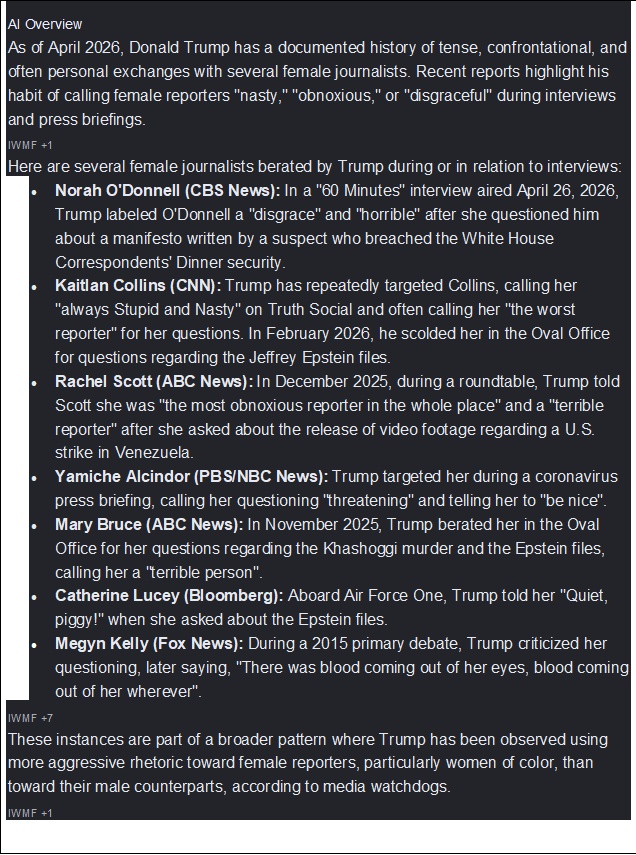
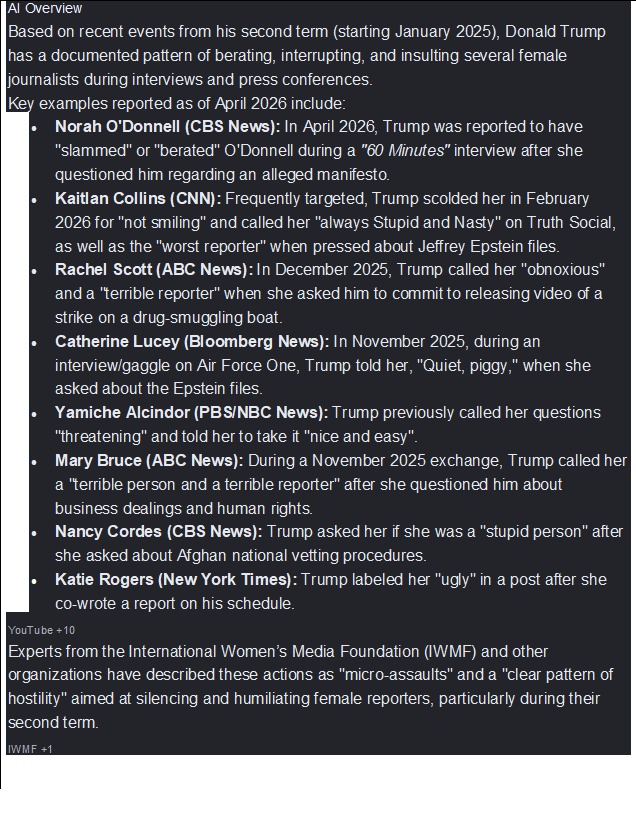
Search Term: https://www.google.com/search?q=what+other+female+journalist+was+berated+by+trump+during+an+interview&oq=what+other+female+journalist+was+berated+by+trump+during+an+interview&gs_lcrp=EgZjaHJvbWUyBggAEEUYOdIBCTIwMzU2ajBqN6gCALACAA&sourceid=chrome&ie=UTF-8
Repeating this search term resulted in different lists...
While the FCC asserts that the license review is related to an ongoing probe into Disney’s diversity initiatives, it is being widely viewed as a form of government retaliation for airing Kimmel’s show and resisting Trump's pressure. "This weapon certainly hasn’t been deployed against a major broadcaster in many decades," public interest lawyer Andrew Jay Schwartzman told CNN.
The FCC's enforcement powers are limited, which is why numerous analysts - and the FCC's lone Democratic commissioner Anna Gomez - have suggested that the process is the intended punishment. Gomez on Tuesday criticized her commission’s order, calling it "the most egregious action this FCC has taken in violation of the First Amendment to date."
"As part of its ongoing campaign of censorship and control, the White House called publicly for the silencing of a vocal critic, and this FCC has now answered that call," she added. "This is an unprecedented and politically motivated attempt to interfere with how broadcasters operate, and this unlawful overreach will fail. This should be a lesson to media companies that no amount of capitulation to this Administration will buy them protection. The only choice is to stand up and stand firm in defense of the First Amendment."
"The First Amendment and the FCC's mandate do not permit the agency to use broadcast licenses as weapons to punish broadcasters for constitutionally protected content they air," Seth Stern, chief of advocacy for the Freedom of the Press Foundation, said in a statement. "Brendan Carr was once a serious communications lawyer, and has repeatedly and correctly said that the FCC has no role in policing content, whether news reporting or comedians’ late-night jokes."
"Carr's decision to abandon his principles to kiss up to Trump to advance his career does not change the law that Carr knows full-well applies," Stern added. "The FCC is neither the journalism police nor the humor police. This is nothing but illegal jawboning intended to intimidate ABC into kissing the ring."
A key provision of the Foreign Intelligence Surveillance Act (FISA), set to expire on April 30, has been used by investigators to intentionally access Americans' data for domestic investigations through "backdoor queries," without judicial sign-off and with little transparency.
According to a recently declassified report by the Office of the Director of National Intelligence, the FBI increased its searches on Americans in 2025 by 34% from the previous year, to more than 7,000.
FISA's power to conduct backdoor searches on American citizens has long angered lawmakers in both parties. Tulsi Gabbard, who now oversees the intelligence community, introduced a bill with Representative Thomas Massie of Kentucky in 2020, when she was a member of Congress, to stop warrantless searches on American citizens. The bill ultimately failed to pass the House.
In 2024, Congress passed the Reforming Intelligence and Securing America Act (RISAA), which bans backdoor searches conducted without a foreign intelligence purpose and adds training and approval requirements for FBI personnel running such searches. Two years after the bill's passage, a court found that the FBI is still violating RISAA by accessing Americans' messages through an advanced filtering tool that the Justice Department had previously shut down over privacy concerns.
In the past, the FISA Court has secretly granted law enforcement unlimited authority to collect Americans' information. As Edward Snowden revealed in 2013, the court approved a sweeping National Security Agency surveillance operation targeting Americans' phone records, prompting Congress to reform the FISA Court by raising the bar for approving the FBI's surveillance requests and adding oversight structures.
"It's very evident that the FISA court of their own volition is not going to take the steps that we are talking about here," Wyden says. "They're not going to crack down on backdoor searches and the loopholes that we're describing here."
Lawmakers are also trying to use any vote on FISA reform to stop the federal government from purchasing American data from private data brokers-companies that collect and sell publicly available data from social media and government websites.
A 2018 Supreme Court ruling requires law enforcement officials to obtain a warrant before accessing Americans' location data stored on cell phones, but as private entities, data brokers are not subject to the rules outlined by the Fourth Amendment, and they collect and sell Americans' location data to law enforcement and the intelligence community, often without users' consent.
Other law enforcement agencies have also purchased Americans' data and used AI software to track the specific locations of their targets. Multiple outlets reported that Immigration and Customs Enforcement has used commercially available location data through a program called Webloc to search and track any phone's location on a map-style interface.
Wyden adds that, unlike the last authorization bill in 2024, which passed with the support of a majority of congressional Democrats, lawmakers on the left are growing wary of the surveillance powers the Trump administration has to crack down on protesters.
"When the government declassifies what I have been concerned about for years, I believe the American people are going to be stunned…that it took so long and that Congress has been debating this authority with inadequate information," he says.
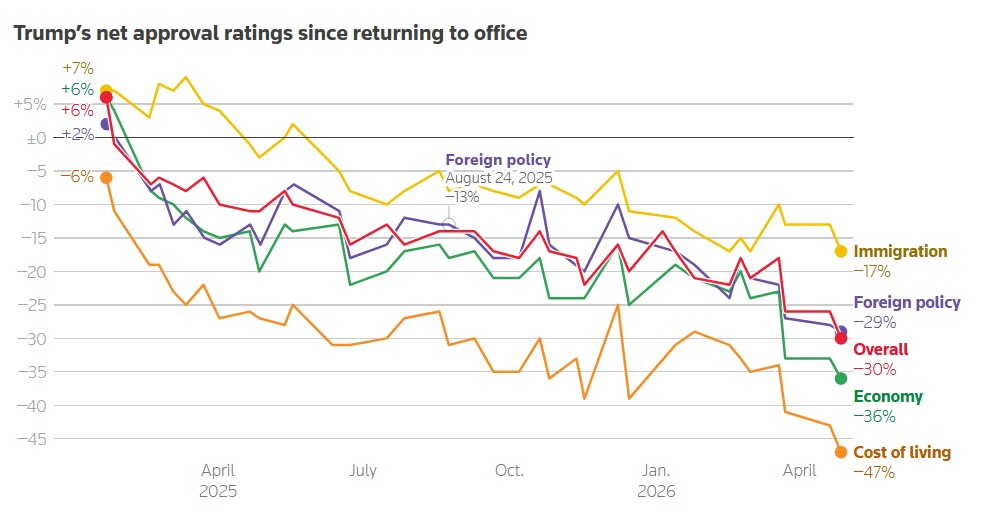
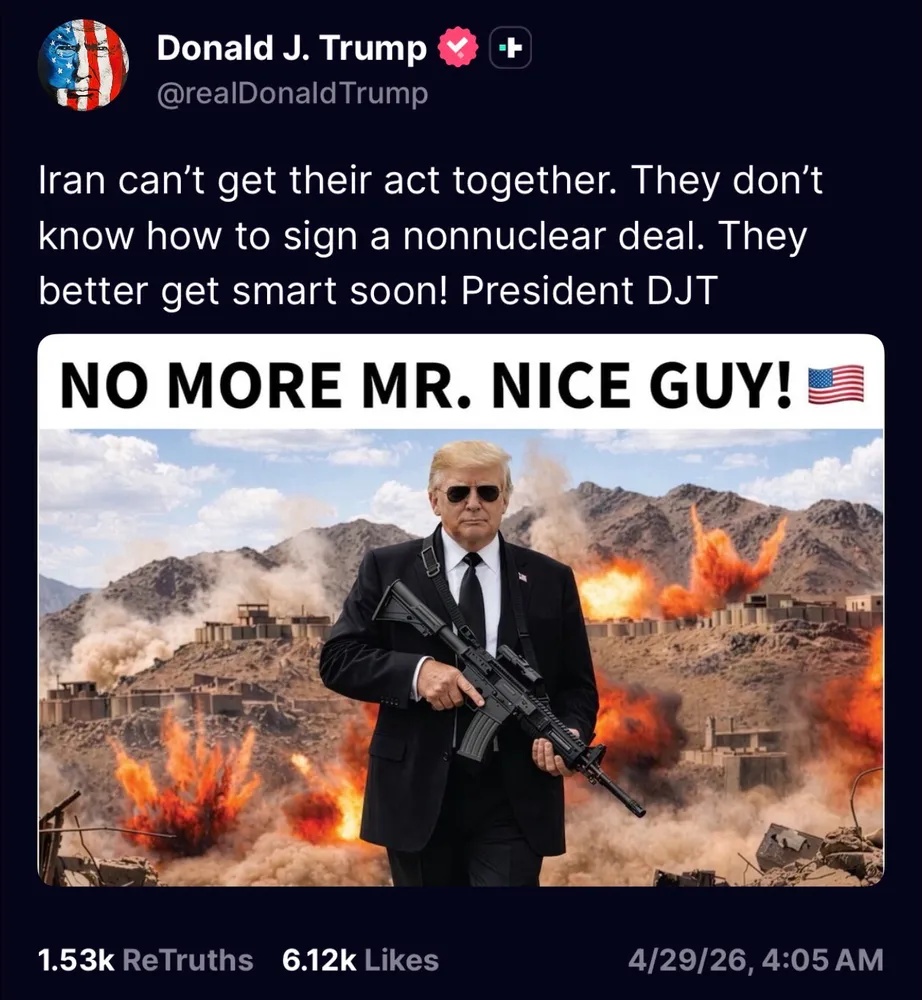
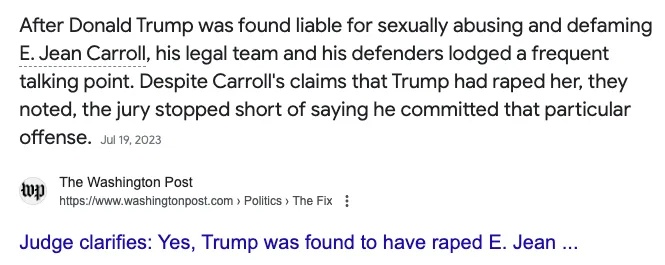
|
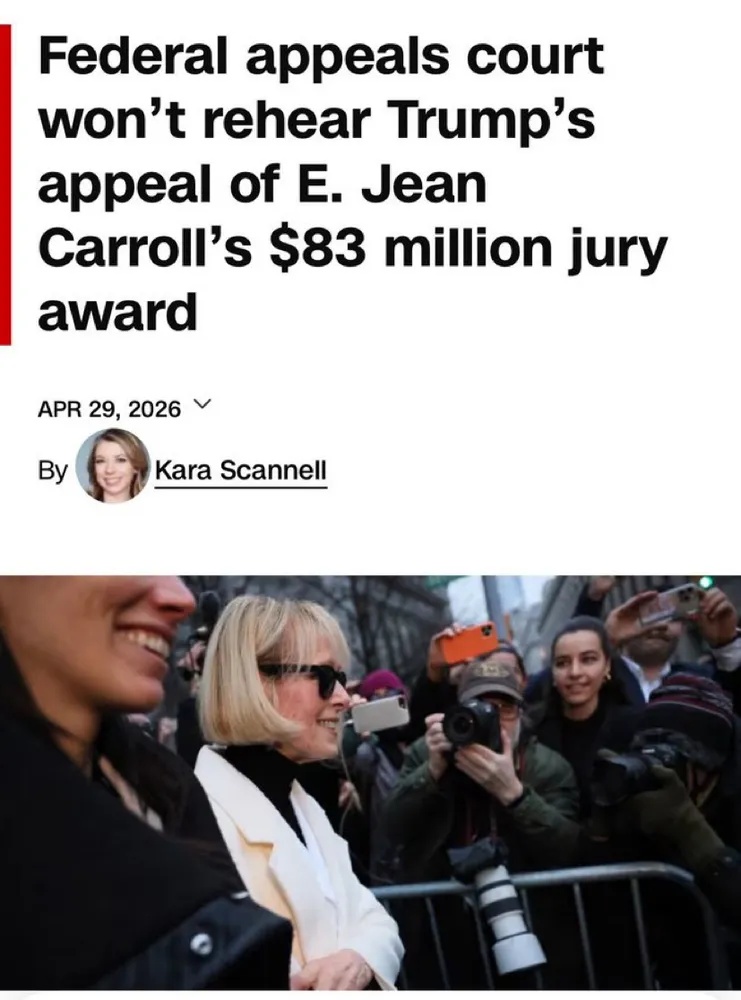
|
Judge clarifies: Yes, Trump was found to have raped E. Jean Carroll Washington Post, July 19, 2023
Bankers say they are in the dark on what major executive order may require
Think tank warns order could cost billions of dollars to implement. Experts and industry cite major IT, legal and enforcement challenges for banks. Order could disproportionately impact lower-income Americans
The effort is another example of the Trump administration causing potential headaches for the banking industry in the pursuit of broader policy goals, even as it relaxes other rules it says are stifling lending. In January, Trump blindsided the industry by calling for credit card providers to cap interest rates in a bid to address cost-of-living concerns, and he has targeted Wall Street banks for discriminating against conservatives, a claim they deny.
The requirement would also create massive new enforcement risks for banks if the authorities decide to pursue lenders for failing to adequately check customer paperwork, said one of the sources and a fifth person who is a top banker.
Bank regulatory data suggests there are hundreds of millions of existing personal U.S. bank accounts. Roughly half of Americans, however, do not have passports, according to State Department data, and more than 9% of American citizens of voting age, or 21.3 million people, do not have readily available proof of citizenship, according to 2024 research by the Brennan Center for Justice, a think tank at NYU School of Law. And many account-holders, most notably women who have been married, may have different names on their birth certificates.
The numbers: A Washington Post-ABC News-Ipsos poll found 56% of Americans oppose Trump’s decision to tear down the White House East Wing to build a ballroom.
Breakdown: 87% of Democrats and 61% of independents oppose the project, while about two-thirds of Republicans support it.
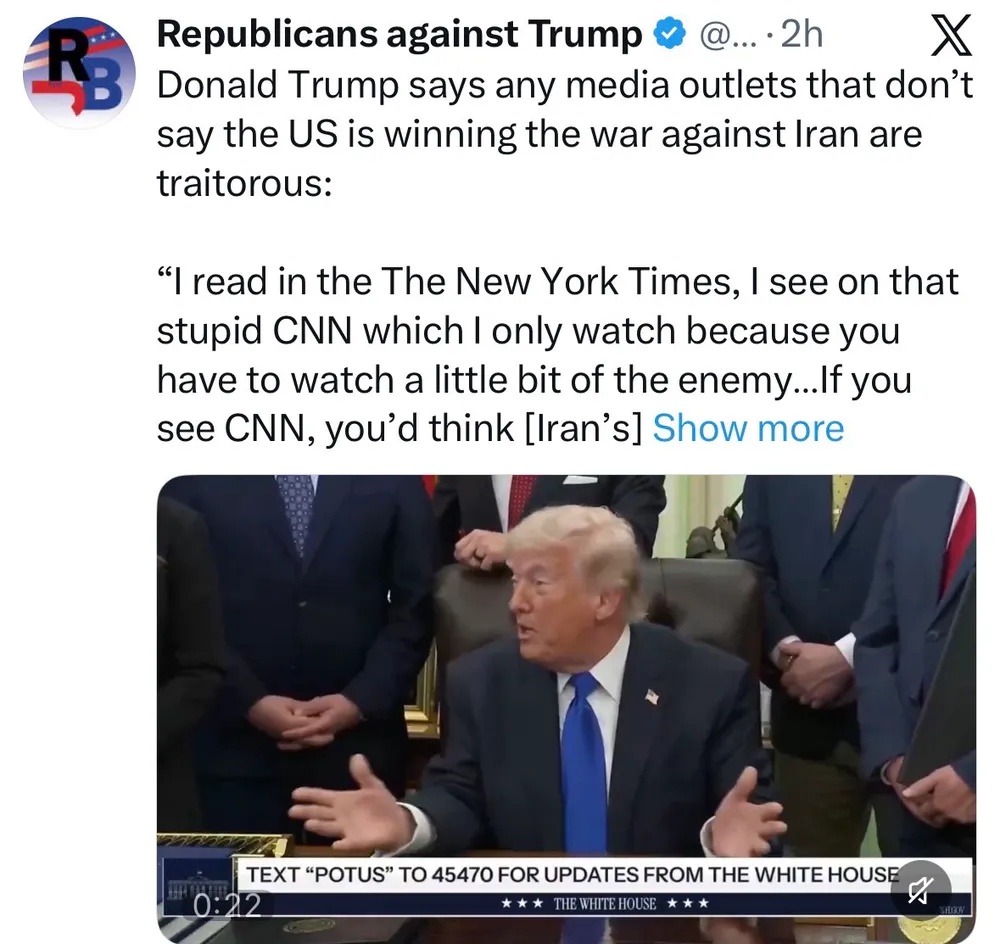
The veteran 60 Minutes correspondent Sharyn Alfonsi expressed concern about "the spread of corporate meddling and editorial fear" at CBS News and her uncertainty about whether she will keep her job after she pushed back on a directive to change her December segment on Venezuelans who were sent to the Cecot prison in El Salvador.
Alfonsi spoke about the incident for the first time on Thursday evening after receiving the Ridenhour prize for courage at the National Press Club in Washington. Her comments come as the Trump administration has piled pressure on US media and follow CBS News editor Bari Weiss's decision to shelve the segment on the flagship news program.
Alfonsi had alleged at the time that Weiss had “spiked” the story for political purposes, a significant accusation of journalistic impropriety. Weiss argued that the segment was delayed because it did not sufficiently include the perspective of the Trump administration.
The segment was originally supposed to air on the 21 December edition of the show. It ultimately aired about a month later, on the 18 January edition, but was not meaningfully different from the original report and lacked an on-air interview with a Trump administration official.
"I will not linger on the internal mechanics of the dust-up at CBS that led to our Cecot story being pulled, but we have to be honest about what it represents," she said on Thursday. "It wasn't an isolated editorial argument. In my view, it was the result of a more aggressive contagion: the spread of corporate meddling and editorial fear. It's hard to watch." She joked that her view was "for the attorneys". CBS has been approached for comment.
Alfonsi said that she worried that viewers would compare a recording of the original story, which inadvertently aired only in Canada, to the final product. "Because our audience is smart, they would view any change to the story as capitulation or censorship," she said.
Alfonsi acknowledged for the first time that someone falsely sent a SWAT team to her house a few days after the segment was delayed. "I guess they were trying to scare me into silence," she said. Alfonsi was preceded in her remarks by Bill Owens, who resigned from his job as executive producer of 60 Minutes in April 2025, citing corporate interference. Owens also received a Ridenhour prize for courage. "I always said I'd follow Bill over a cliff, and apparently I did," she said.
The Centers for Disease Control and Prevention (CDC) made a big revision to its website last year, at the behest of Robert F. Kennedy Jr., the secretary of the Department of Health and Human Services and a longtime anti-vaccine advocate.
The website now states that a link between autism spectrum disorder and vaccinations is possible and should be studied—even though such a link has been disproved by a large body of research.
US childhood immunization rates continue to decline, and the CDC is the foremost public health authority in the United States. This revision dismayed public health and medical experts, who warned that even more parents might delay or skip lifesaving vaccines.
It seems those concerns were valid. A study published today in the journal Science shows that the revised CDC messaging could discourage people from vaccinations. Kennedy's revision makes people think vaccines are less safe
Those who read the CDC revision judged vaccines to be riskier, compared with those who hadn't read the updated website. Perhaps unsurprisingly, this group was less likely to get recommended vaccinations. The second group was also less likely to trust the CDC and were more likely to engage in conspiracy-based reasoning. Notably, the study found that the revised CDC statement had a similar effect on respondents regardless of their political affiliation.
The findings show that public trust and people's health decisions can be shaped by messages from official government websites, said lead author Robert Böhm, PhD, a social psychologist at the University of Vienna."That means [messaging] should be held to a very high standard—not unlike scientific findings themselves," said Böhm. Adam Berinsky, PhD, a political scientist and director of Massachusetts Institute of Technology (MIT) Political Experiments Research Lab, agreed that the study demonstrates the importance of government communication.
Berinsky, who did not contribute to the research, noted that most people don't pay close attention to health guidelines, making government entities like the CDC an authoritative voice. "We can see directly that faith and trust in vaccines can be either increased or decreased by the way the message is framed," he said.
Böhm suggests there should be clear rules for how such information is reviewed and peer-checked before it is published on government websites like the CDC's. In the future, he'd like to study whether misinformation about vaccines and autism in one country can spill over to influence people in other countries.
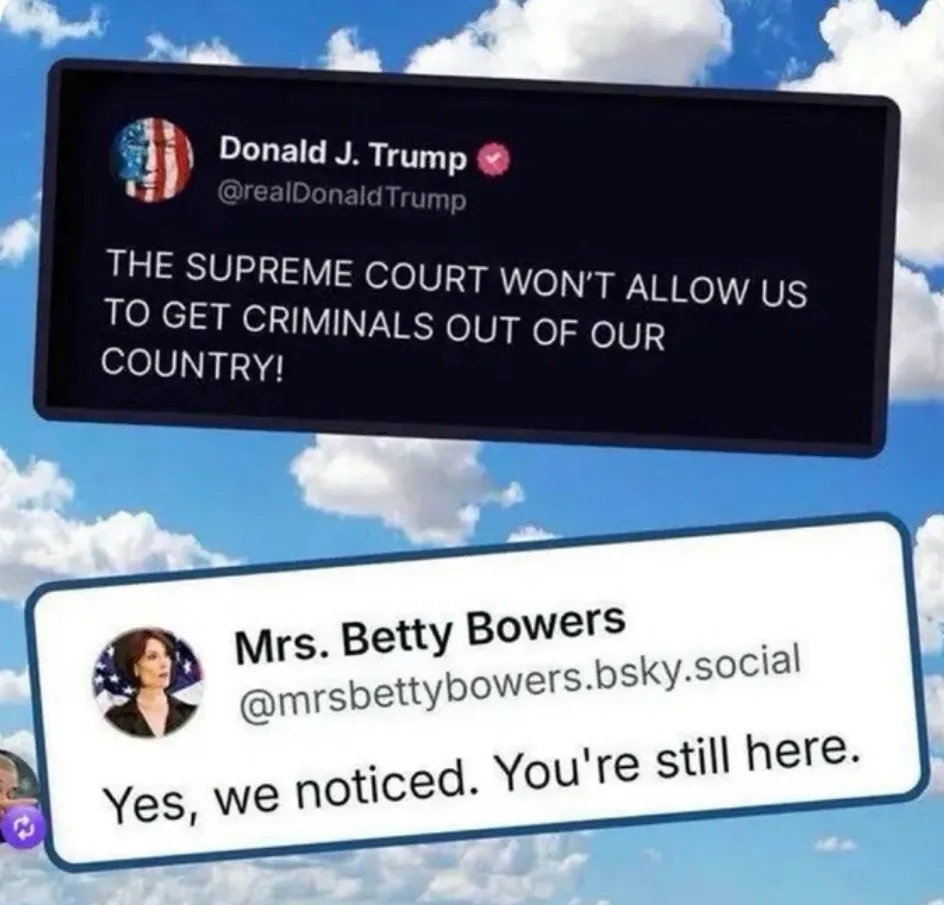
Medical Concerns About President Donald J. Trump and His Fitness for
Office
The following is not a political statement. It is a medical
one, made by individuals holding both conservative and
liberal ideologies, identifying as both Republicans and
Democrats, from different backgrounds, races, ethnicities,
and religions.
We are a group of neurologists, forensic psychiatrists,
general psychiatrists, and other physicians, along with other
mental health professionals, experienced in the diagnosis of
cognitive disorders and in evaluating dangerousness to self
and others. Among us are professionals whom the courts and
criminal justice system regularly turn to for our expert
opinion on these matters. We are also consulted by
governments in matters related to national security and the
psychological profiles of world leaders. Prior to the
presidential election in the Fall of 2024, a statement
assessing Donald J. Trump's mental fitness for the presidency
was issued. At that time, serious signs of cognitive decline
were identified, and in our expert opinion, these signs
warranted disqualification from office.
It is our professional opinion, based on previous and
ongoing assessments, that Donald Trump's mental state since
our 2024 statement has deteriorated even further. In keeping
with our professional ethics, and for those of us who are
physicians, with the Declaration of Geneva--the successor to
the Hippocratic Oath that binds us to the humanitarian
principles of medicine since the Nuremberg trials--we are
compelled to warn of a President of the United States who is
increasingly a danger to the public.
We do not take our statement, and the responsibility that
comes with making it, lightly.
The President was not examined face to face, and he is not
a patient of any member of our group. Rendering a formal
diagnosis in this case is not our role. We have closely
followed his behavior and his statements over the past year.
Objectively observable signs of serious medical concern
include:
Marked deterioration in cognitive functioning, evidenced by
disorganized and tangential speech, rambling digressions,
factual confusions, unexplained sudden changes of course in
strategic matters, both national and international, episodes
of apparent somnolence during critical public proceedings.
Grandiose and delusional beliefs, including assertions of
infallibility, imagery of himself as Pope suggestive of a
divine mission, being a mythical warrior hero, depicting
himself as combat pilot--dropping feces on civilians, and
claims that his decision-making authority is unlimited--with
no need to consider domestic and international laws and
constrained only by his "own morality."
Severely impaired judgment and impulse control, reflected
in reckless threats of violence, advocacy of lethal force
against civilians, encouragement of extrajudicial actions by
armed supporters, repeated threats and often actions--
judicial, prosecutorial, police, military, and by invoking
emergency powers--against political opponents and others who
disagree with him.
Significant loss of self-control (disinhibition) and
getting stuck on the same thoughts or actions, unable to let
go or move on (perseveration), including seemingly
compulsive, manic-like late-night communications--e.g., 150
social media posts in one night--fixation on perceived
enemies, persecutory ideas, and prolonged, disproportionate
attacks on specific individuals and institutions.
Escalating violence that threatens national and global
stability. As Commander-in-Chief of our military--more than
5,000 nuclear warheads in inter-continental missile silos, on
submarines, and in bombers around the world, are ready for
launch solely upon his order, and no one now has the
authority to countermand his order.
On August 7, 1974, as President Richard Nixon's impeachment
loomed, White House Chief of Staff, General Alexander Haig,
was so alarmed by Nixon's wandering the halls of the White
House at night, sleepless, distraught, and heavily
intoxicated, talking out loud to portraits of past presidents
on the walls, that he alerted Defense Secretary James
Schlesinger. Equally alarmed, Schlesinger directed Chairman
of the Joint Chiefs of Staff, General George S. Brown, that
any military orders from Nixon--especially nuclear ones--
first be cleared through him or Secretary of State Henry
Kissinger. It has been reported that the nuclear "football"
that contains the codes for a nuclear launch was then quietly
removed from Nixon's control.
The public and those with the power to address such
potentially catastrophic conditions must ask themselves if
they--and we--are confident that officials such as Secretary
of Defense Pete Hegseth and Secretary of State Marco Rubio
would do the same.
It is our professional opinion that the behaviors of Donald
Trump, tragically, are neither momentary lapses nor political
theater. It is our professional opinion that they reflect a
rapidly worsening, reality-untethered, increasingly dangerous
decline. If we were called upon under the 25th Amendment to
judge the President's present ability to discharge the duties
of his office, we would have to conclude that he lacks the
capacity to do so.
For the reasons cited above, emphasizing that he presents a
clear and present danger to our country and to the world, it
is our expert opinion that Donald J. Trump is mentally unfit
to be the President of the United States, and that steps to
remove him from office must be undertaken with the greatest
urgency, with vital responsibilities on the shoulders of
those in positions of leadership.
| Betty's Home Page | Betty's Public Health Blog Index | Public Health Data Sites | Site Map |
© Copyright 2025 - 2026 Betty C. Jung
All rights reserved.